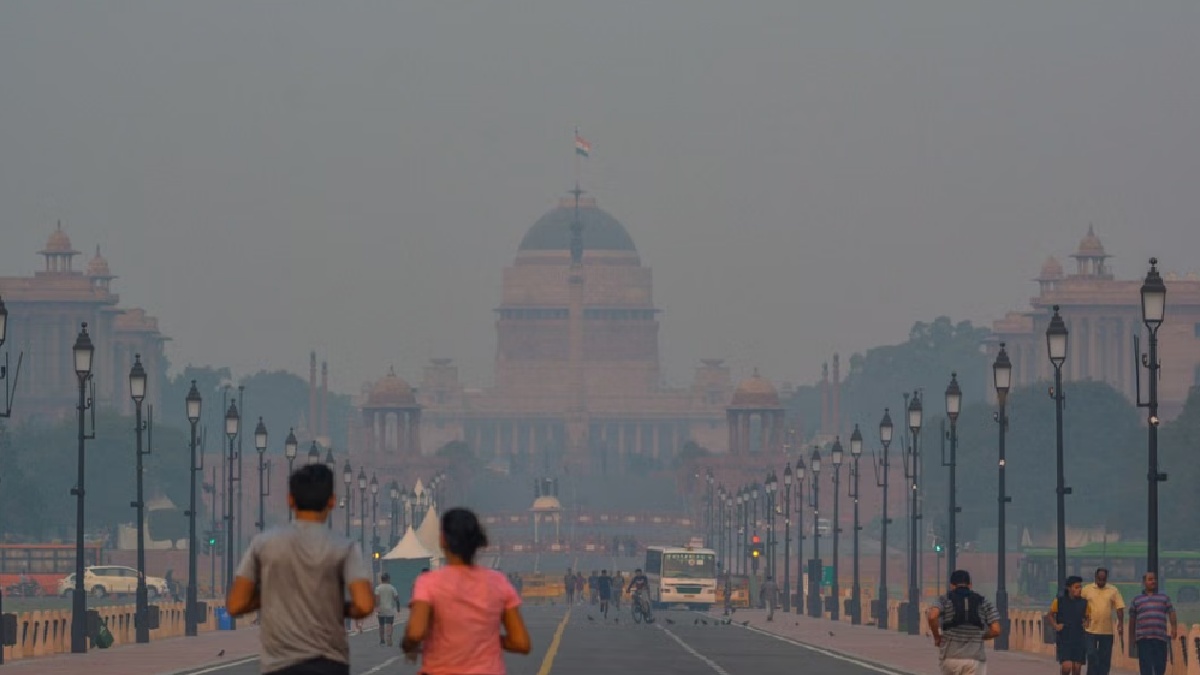
Central Delhi-NCR will see more pollution-control measures in place over the winter as the city’s pollution control measures will be tighter on vehicle emissions, construction dust, pollution hotspots, waste burning and public transport. The measures were discussed at a meeting with Union Environment Minister Bhupender Yadav on September 28, with Delhi Chief Minister Rekha Gupta and senior officials discussing enforcement and preparation for the winter pollution period.
One of the major measures is the stricter enforcement of the ‘No PUCC, No Fuel’ policy. The campaign will be implemented in mission mode at around 500 ANPR-enabled fuel stations in Delhi. Automatic number plate recognition and other verification systems will detect vehicles without valid Pollution Under Control Certificates. The fuel stations that do not comply with the requirement will be punished.
The Commission for Air Quality Management has also approved restrictions on fuelling vehicles without valid PUCC in the NCR for a period of one month from October 1, 2026. This is to combat vehicular pollution that is significant in particulate and other pollutants in the region.
2.5 Lakh vehicles to undergo fitness checks
Vehicle fitness and pollution compliance will also be taken into consideration. Automated testing stations are expected to check the fitness of over 2.5 lakh vehicles and identify vehicles that can cause the maximum pollution and ensure that Delhi-NCR roads are manned by those who are in the process of meeting the standards.
The authorities are also promoting public transport to people. Delhi Metro's Sarathi app will be promoted through an awareness campaign and community outreach for local residents and public representatives to take part in that as part of our programme, as part of which we will work with residents' welfare associations and community representatives to make public transport more accessible. Delhi has 228 Metro stations with last-mile connectivity, and the city's bus fleet has also increased significantly since the inception of the city’s bus system, including a large number of electric buses.
Pollution Hotspots To Get Special Attention
Pollution hotspots will be another key focus of the winter action plan. Ministers, MPs, MLAs and other public representatives are also expected to visit hotspots and work to remove the most serious sources of pollution rather than just temporary measures.
District magistrates will also review activities around these locations and examine the reasons behind persistent pollution. Of the 62 hotspots initially identified, work has already been completed at 42, and interventions at the remaining locations are ongoing.
The government is also using technology for closer monitoring. An AI-enabled command and control system is being employed to track pollution-related information to assist and facilitate enforcement. The number of air quality monitoring stations is planned to be increased from 47 to 60 across the region.
Construction restrictions from November 1
Construction and demolition will see restrictions from November 1, 2026. This is in line with the new plan that bans dust-generating demolition and outdoor civil construction from November 1 to January 31. But the restrictions will be particularly tough in the peak pollution period.
A total ban on construction and demolition will be in place from December 10 to January 20, with exemptions for major public infrastructure work. This is designed to decrease dust emissions before and during the period when winter air quality generally deteriorates.
Construction and demolition waste management is also being tightened. Registration on the Malba App will be made a mandatory condition for building-plan approval, according to the measures announced after the September 28 meeting.
Parking charges to double from November 1
A second measure to deter private vehicle use is parking charges doubled. Authorised parking rates in Delhi will be doubled from November 1 through February 28, while parking facilities managed by Delhi Metro Rail Corporation will not be affected in winter.
The authorities also want to set up staggered office hours and 50 per cent work from home during winter time. The aim is to reduce the traffic in peak hours and vehicle emissions. Delhi’s permanent winter pollution plan which came into effect this year specified that these measures must be put in place from November 1 to January 31.
Restrictions On Older Vehicles
As per the new policy, vehicles registered outside Delhi that do not meet BS-VI emission standards will be restricted from entering Delhi from November 1 to January 31. CNG and electric vehicles, and some emergency and essential service vehicles are exempted under the new policy.
The move is part of a wider effort to reduce emissions from vehicles entering the capital during the winter months. At the same time, authorities are also pushing for cleaner mobility and electric vehicles as part of a long-term strategy to reduce transport-related pollution.
Green Cover And Road Cleaning
The pollution-control strategy also includes road dust and open areas. Grass, shrubs and other greenery in brown areas will be grown to boost the green cover. Delhi officials have reported significant progress in plantation and greening work with hundreds of acres of brown areas already addressed.
The roads will be deep cleaned regularly to reduce dust accumulation. The zero burning initiative is already in place and the authorities are planning where necessary heating arrangements so people don’t burn biomass and other materials in the open.
Open burning, including the burning of e-waste, will be heavily regulated. In cases where such activity is detected, officials can take action against locations where they detect these activities, and sealing of buildings is among the measures available in serious cases.
Stronger Monitoring Across Delhi-NCR
The new plan brings together various agencies like the Commission for Air Quality Management, Central Pollution Control Board, Delhi Pollution Control Committee, municipal bodies, traffic authorities and other departments in the country. Nodal officers are being appointed in each district to conduct inspections and to remove pollution hotspots.
People will also be encouraged to report garbage dumping and activities that cause pollution through the 311 complaint system. Response times will be extended and complaints will be passed to the department handling the matter.
With winter approaching, the Delhi-NCR pollution strategy is moving towards stricter enforcement instead of emergency measures after air quality deteriorates. PUCC checks, vehicle fitness testing, construction restrictions, higher parking charges, hotspot monitoring, road cleaning and stronger action against waste burning are all part of the city’s plan to reduce pollution from various sources in the capital and around the NCR.