A tragic case of human-wildlife conflict has emerged from Nepal, where a rogue elephant is said to have killed four members of the same family over a period of 14 years, including a young mother and her four-year-old son, moving the family to escape repeated attacks.
The latest incident happened in Jagatpur, Nepal, where 25-year-old Ashika Bote and her four-year-old son Bharat Bote died after an elephant allegedly entered their home earlier this month.
According to local accounts, the victims were Shanichara Bote's family members whose parents were also killed by the same elephant in 2012 near Madi, an area bordering Chitwan National Park.
After the previous tragedy, the family moved from Madi to Jagatpur, thinking that moving across the major rivers would lower the risk of further clashes with the elephant. But years later, the elephant is said to have arrived at their new home and attacked again, leaving the family devastated.
Shanichara Bote told local media of his grief, saying the family believed the relocation would keep them safe, but they were once again confronted with the same elephant. He said the loss of his daughter-in-law and his grandson was unbearable, and now the family feels there is nothing left to escape from.
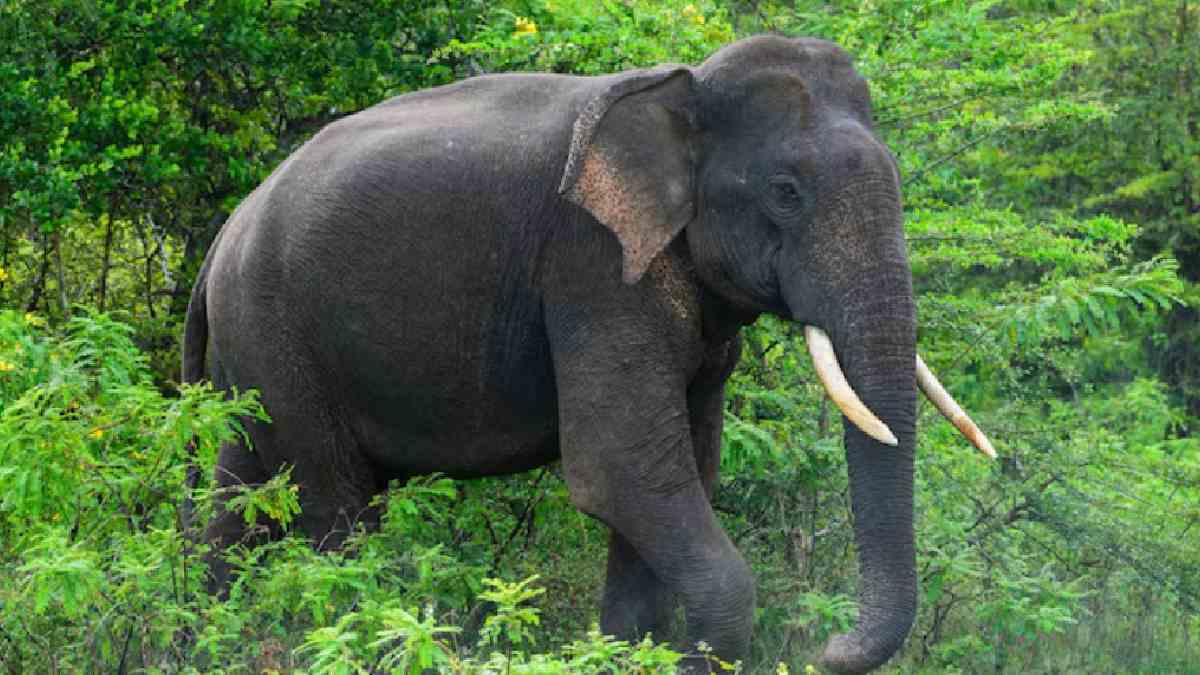
The elephant, which is known locally as “Dhurbe,” is one of Nepal’s most notorious rogue elephants. According to officials from Chitwan National Park, the animal is now linked to 25 human deaths since 2010, including the latest two deaths.
Wildlife officials have been monitoring Dhurbe with satellite tracking collars for years to monitor its movements and reduce the risk of attacks. The location of the tracking device showed that the elephant was in the vicinity of the incident just before the fatal attack, officials said.
Even with constant monitoring and previous attempts to capture or control the animal, they said, preventing further attacks has been difficult. The elephant’s unpredictable movements and aggressive behaviour make it difficult to protect public safety and comply with wildlife conservation laws.
The incident has once again brought home the growing difficulty of human-elephant conflict in South Asia. With more people developing closer to forests and elephant corridors, people and wild elephants are more frequently mixing in Nepal and India.
Elephants, conservation experts say, travel long distances to get food and water, and habitat fragmentation can compound the risk of conflict with nearby communities. Wildlife departments are looking for the best ways (e.g., early warning systems, habitat restoration programs, community education, and scientific tracking) to prevent such incidents.
The latest tragedy has renewed calls for stronger strategies to protect human lives and wildlife. Residents are calling on authorities to put in place more robust safety measures in vulnerable areas while implementing long-term solutions to avoid conflict between humans and wild elephants.
Experts are monitoring the elephant's movements in proximity and will be monitoring the elephant when it gets into trouble, wildlife officials said.