More than six years after his death ignited a global frenzy of conspiracy theories, a vast volume of documents released by the Department of Justice on January 30, 2026, has helped bring the autopsy of disgraced financier Jeffrey Epstein to light. The files contain never-before-seen forensic photos and detailed medical charts that document the multiple injuries inflicted on Epstein and the heroic attempts he mounted to save his life.
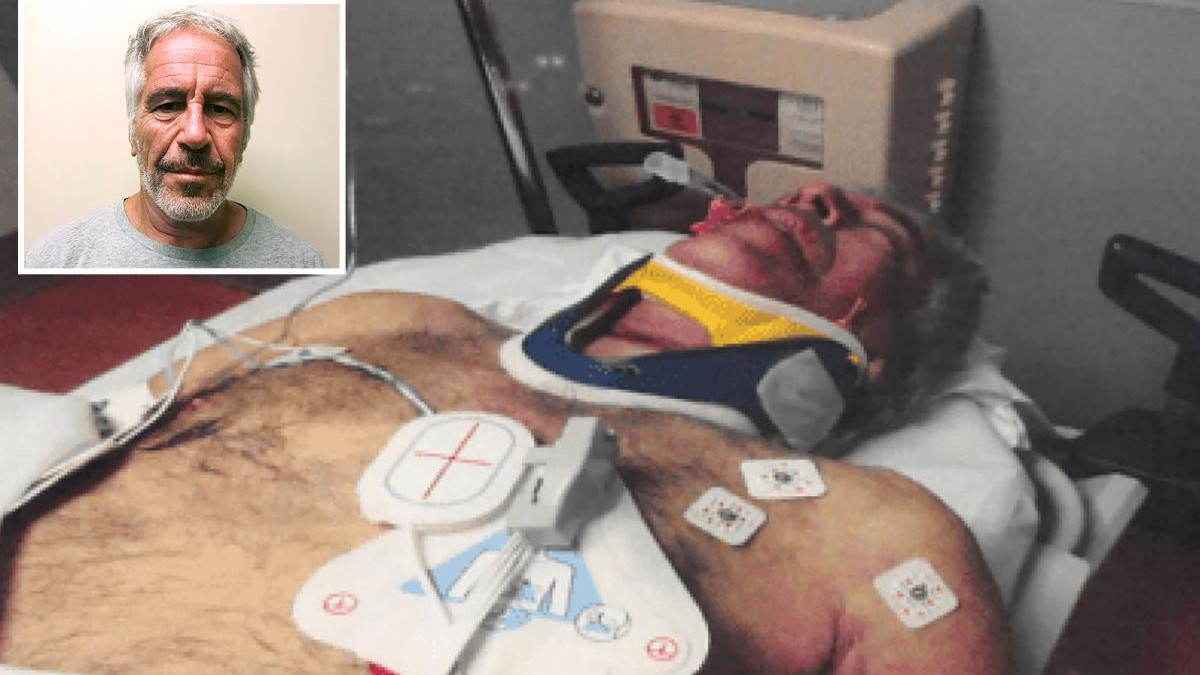
Multiple Neck Fractures: The Autopsy Findings
The new public records provide close scrutiny of the “atypical” injuries that have inspired years of suspicion about the official ruling of suicide by hanging. The forensic documents state:
- Hyoid Bone Fracture: The files reveal that the hyoid bone, a U-shaped bone in the neck, broke. This may happen with suicidal hangings, but it is statistically much more frequent in homicidal strangulation situations.
- Thyroid Cartilage Damage: Unseen photographs show fractures in the left and right thyroid cartilage (the area around the Adam’s apple).
- The “Three-Fracture” Controversy: Forensic experts wrote in the files that receiving three fractures in the neck during a jailhouse hanging is “extremely rare,” though the New York Medical Examiner ultimately supported the suicide decision.
Resuscitation Records
A large part of the newly-generated photo cache centers on the moment Epstein was discovered unresponsive in his cell at the Metropolitan Correctional Center (MCC).
- Resuscitation Marks: The pictures reveal contusions on Epstein’s chest consistent with aggressive CPR.
- Injection Sites: Photos also show an injection mark in his arm, which the reports claim was the site upon which emergency responders administered life-saving medications on the transit route to New York-Presbyterian Lower Manhattan Hospital.
- “Breathe, Epstein, Breathe”: Witness statements from jail guards incorporated in the tranche describe a chaotic sequence in which staff performed CPR for almost 20 minutes before paramedics arrived.
Inconsistencies in the Cell
Outside of the body, the 2026 file release includes crime scene photos of the cell that bring up additional questions. Figures of the “ligature” allegedly formed out of an orange bedsheet depict two separate nooses on the floor. One looks like a cut from a guard, and another is preserved, sparking renewed inquiries into what material actually caused the fatal injuries.
Why Now?
The release of these 3 million pages and 180,000 images was required by the Epstein Files Transparency Act, which was enacted in late 2025. Deputy Attorney General Todd Blanche said these files do not provide enough evidence for new criminal charges; however, these reports give the public a glimpse of the most important, previously absent evidence from the report's contents.