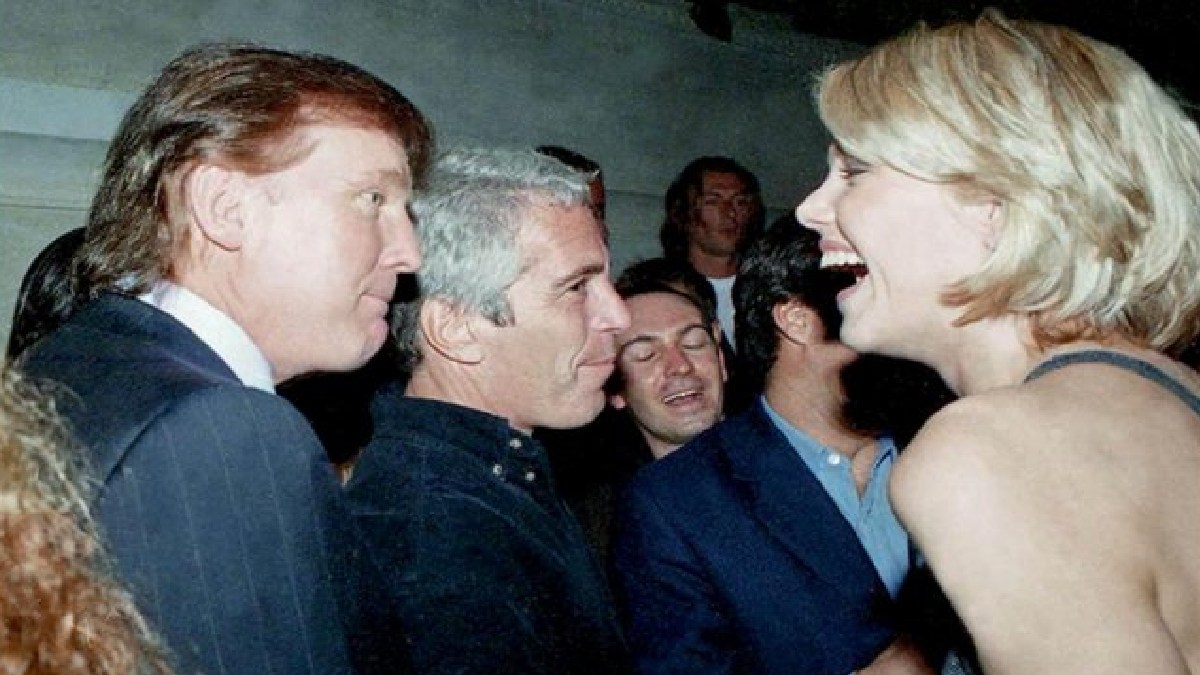
On Friday, January 30, 2026, the U.S. Department of Justice (DOJ) declassified its documents from the Epstein Investigation, releasing a huge cache of more than 3 million pages of papers surrounding the late financier and convicted sex offender Jeffrey Epstein. This landmark release, which also contains more than 2,000 videos and 180,000 images, was required by the Epstein Files Transparency Act a law signed by President Donald Trump in late 2025.
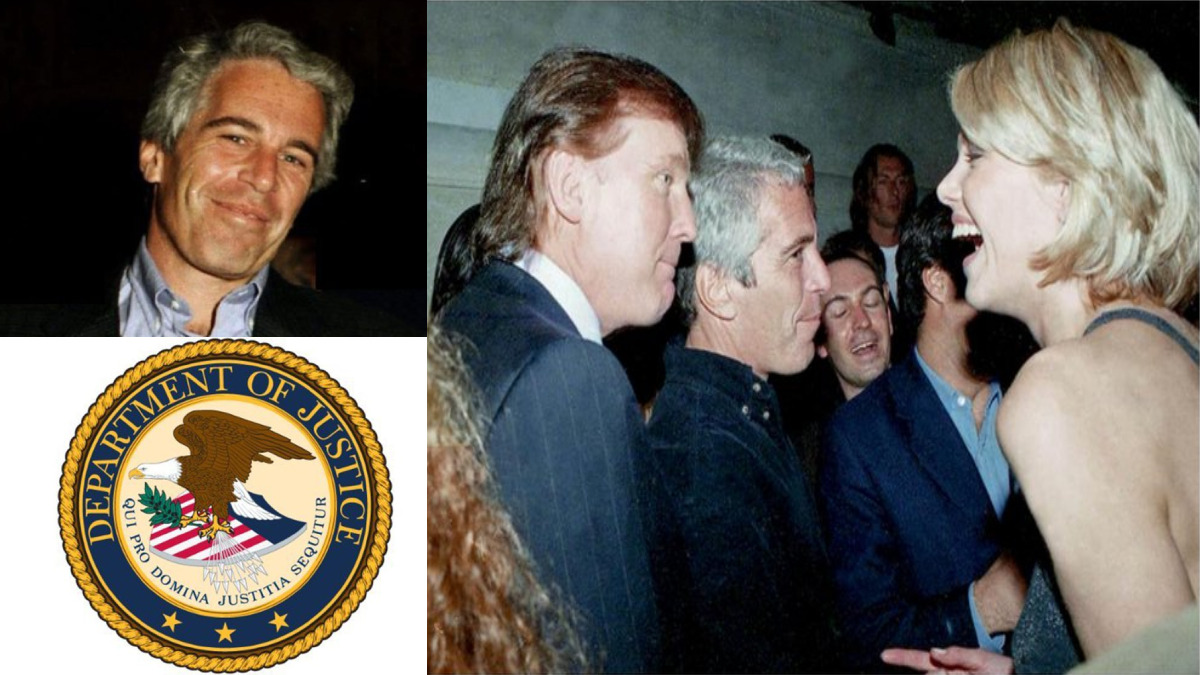
Deputy Attorney General Todd Blanche announced the release, saying that the tranche is the bulk of the government’s investigative files of more than 20 years long including records from the FBI, the Ghislaine Maxwell prosecution and investigations into Epstein’s 2019 death. New public records have already begun revealing hitherto unknown social and financial connections between Epstein and high-profile individuals.
Earlier analysis of the files showed email exchanges from leading billionaires, including Elon Musk, and information about social visits from current and past political leaders. For example, the documents indicate that famous businessmen and politicians still talked to Epstein after his initial 2008 conviction in Florida. Yet DOJ officials reiterated that a name in these files which contain unvetted tips and private correspondence doesn’t equate to crime.
The department also disagreed with “untrue and sensationalist” allegations made to the FBI about President Trump, arguing that investigators found no proof that the President had committed criminal acts in the documents. With so much material, the release has been a matter of heated debate. Survivors of Epstein’s abuse have accused the Justice Department of failing to properly redact their identities, many victims becoming publicly disclosed for the first time but the names of the accused being blacked out.
By contrast, some lawmakers have criticized the “extensive redactions” spanning nearly 200,000 pages, alleging that the administration has been withholding crucial evidence like the long-rumored “client list” or draft indictments from 2007. On the heels of legal experts and journalists embarking on the Herculean task of working their way through millions of pages, the DOJ has promised a formal report to Congress within 15 days to give a summary of what it’s got and the reason for particular redacted sections.