Global oil prices fell sharply as news that U.S. President Trump said he would not go through with a military strike on Iran as it was announced that he would have tried to broker talks on Iran’s nuclear program and that the deal would get done instead and instead focused on diplomatic means to get back on track with Iran.
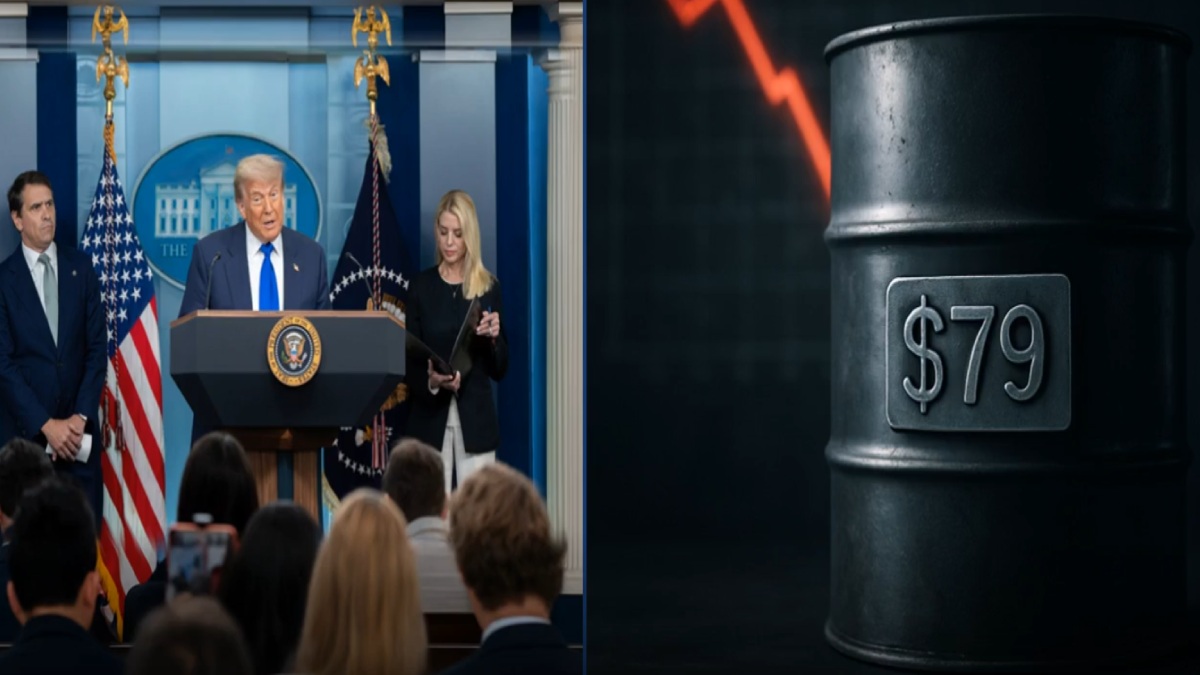
The news calmed market fears of a war in the Middle East, a region of the world’s largest oil production and exports market, in which the US is a key player. Oil prices fell in line with the market’s mood as the threat of supply interruptions to supply fell and markets felt more secure and stable.
For weeks, global energy markets were on edge as relations between the United States and Iran worsened. Traders carefully watched every diplomatic and military development as any conflict with Iran could have implications for shipping routes, production facilities and energy infrastructure across the Gulf. The Strait of Hormuz is one of the world’s busiest oil transit chokepoints and supplies a significant share of global crude exports every day. Any disruption in the maritime traffic through this strategic waterway would have had a significant impact on global oil markets.
The U.S. administration, in fact, decided to prioritize diplomacy over military action in order to reopen the diplomatic talks on Iran's nuclear activities, the newspaper reported. While formal negotiations are still subject to political circumstances and international cooperation, the shift toward dialogue eased immediate concerns about conflict and traders reassessed the geopolitical risk premium that had supported crude prices recently.
Financial markets respond quickly to geopolitical developments involving major oil-producing regions. When investors fear a conflict which will disrupt supply, oil prices surge (they fear less production and less exports). In contrast, easing tensions or diplomatic breakthroughs lead to lower risk premiums and a softer crude market. The latest reports had exactly that effect on Brent Crude and West Texas Intermediate (WTI) crude prices in mid-day trading.
Geopolitical developments are only one of the factors that affect oil prices, energy analysts say, as geopolitical events are only one of many dynamics affecting oil prices.
Oil prices are impacted by global consumption of oil for all regions, demand from the Middle East, production decisions of OPEC+, inflation, interest rates, currency movements, inventory data, and seasonal consumption patterns are also important influences on crude prices. However, tension in the Middle East is still one of the most influential short-term drivers because they are still a key factor for global energy supply and therefore remain the most influential drivers.
Lower crude oil prices are generally positive for oil importing countries such as India, which imported more than half of its crude oil requirements. Lower oil prices in international markets may lower import costs, temper inflationary pressures, build up trade balance and stabilize domestic fuel prices if the trend continues. Industries that depend on fuel like aviation, logistics, manufacturing and transportation could also benefit from lower energy prices in the long run.
But market officials say geopolitical risks have not disappeared entirely. Diplomatic talks are often long-drawn out processes that can take months to resolve and if something goes wrong, the market mood can change very quickly. Investors should keep watch for further reassurances from Washington, Tehran, international agencies and other nations on future negotiations and the regional security of the region.
The overall global economy also benefits from stable oil prices. Low energy costs can boost the global economy in economic growth by lowering costs for business and transportation and manufacturing costs. And consumers are also likely to benefit indirectly, as inflationary pressures may be lower if fuel prices are stable over a long period of time if oil prices are also on the rise and inflation pressures fall.
At the same time, oil-exporting nations are closely monitoring oil prices because governments in most of these producers have an eye on their revenues through crude exports. Prolonged declines in oil prices may influence production strategies adopted by OPEC+ and other major producers seeking to maintain market balance.
Although financial markets welcomed the reported diplomatic approach, analysts warn that energy markets are still very sensitive to geopolitical headlines. Any reassurance, reversal, or escalation in relations between the US and Iran could quickly affect the sentiment of the market and commodity prices.
For now, the reported decision to prioritize diplomacy over military action has provided temporary relief to global energy markets. As negotiations and geopolitical developments continue to evolve, governments, businesses, investors, and consumers worldwide will closely monitor the situation, recognizing that stability in the Middle East remains a crucial factor influencing global oil prices and economic confidence.