Oil prices fall nearly 5% as US and Iran Pause Military Escalation in Persian Gulf
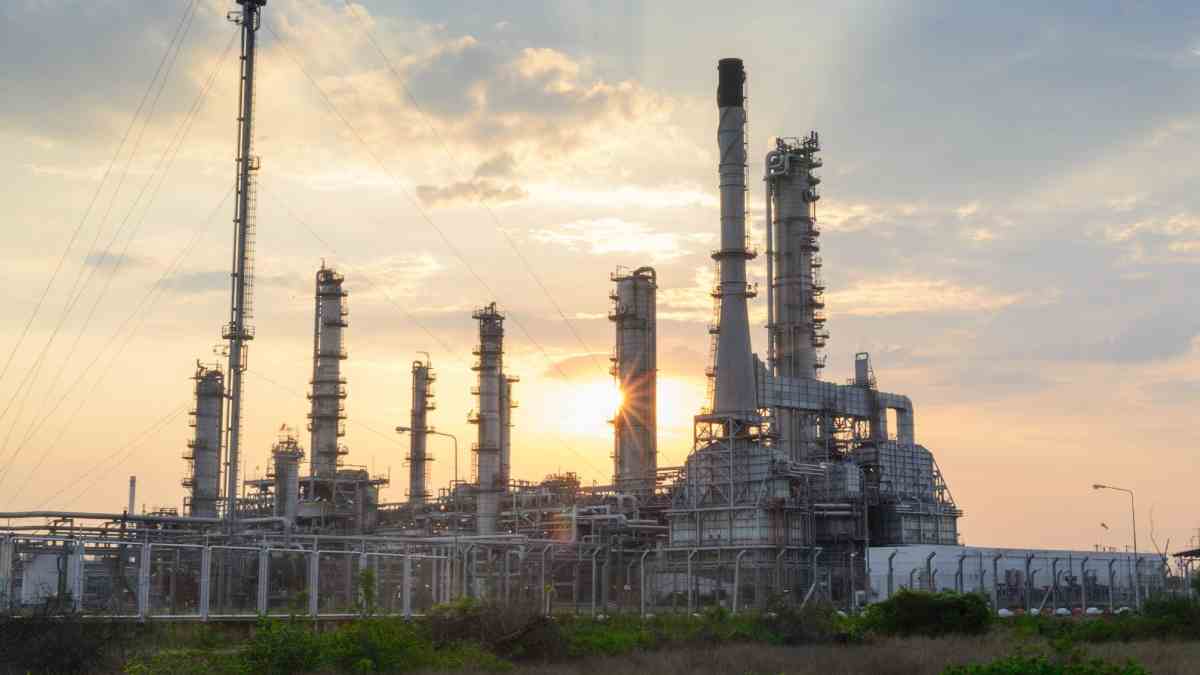
London: Global oil prices fell sharply in early trading on Sunday as the United States and Iran didn’t launch fresh military strikes on the Persian Gulf for the second day in a row, easing concerns over a wider regional conflict or potential disruptions to global energy supply.
Brent crude fell 4.9% to $92.02 a barrel for September delivery as of 8 p.m. (5:01 p.m. ET (1633 GMT), the International New York time Friday, its benchmark crude-weighted global benchmark. Brent crude fell 4.9% to USD 92.02 a barrel for September delivery on Monday as markets opened.
Relief for Global Energy markets
The oil markets had been on edge in recent weeks as geopolitical tensions between the United States and Iran worsened, raising concerns about Iranian oil shipping routes through the Persian Gulf, one of the world’s most important oil-exporting regions.
However, with no new military action reported over the past two days, traders reduced the geopolitical risk premium that had driven crude prices higher.

Brent crude drops around 2 weeks from 2 months high
Brent crude jumped to USD 102 per barrel for the first time in 2 weeks, the highest level since May.
The benchmark had climbed about USD 30 above the level at which the most actively traded Brent contract was trading earlier in the month, indicating increasing concern that conflict in the Middle East could impact global oil production and transportation.
The latest drop has pulled prices back below USD 100, offering some relief to energy-importing countries and financial markets.
Why Oil Prices Reacted
Oil prices are highly sensitive to geopolitical developments, particularly in the Middle East, where a significant share of the world’s crude oil is produced and exported.
Any military conflict between major regional powers raises concerns about:
- Disruptions to oil production.
- Shipping delays through strategic waterways.
- Higher transportation and insurance costs.
- Reduced global crude supply.
The lack of new attacks has temporarily eased these fears, leading investors to reassess market risks.
Impact on Global Economy
Lower crude oil prices are generally viewed as positive for the global economy as they can reduce fuel costs, transportation expenses, and inflationary pressures.
Countries that depend heavily on imported crude oil may benefit if prices remain stable, and companies with energy-intensive operations may also see lower operating costs if prices remain stable.
However, the situation remains fluid, and any renewed military escalation could quickly push oil prices higher again.
Markets Remain Watchful
Despite Sunday’s decline, market participants are still monitoring developments in the Persian Gulf closely. Any changes in the security situation, shipping activity, or U.S.-Iran relations could have an immediate impact on energy markets.
For now, the pause in military activity has provided a measure of reassurance to investors, helping Brent crude retreat from its recent highs while reducing concerns over near-term supply disruptions.