OpenAI is a little bit closer to entering consumer robotics with its first consumer robot, but it will go way beyond AI software. Yes, OpenAI has gone global with its AI expertise in developing AI models like ChatGPT, but that shows they are going to investigate the next step in AI— putting intelligent software into physical machines that can interact with the real world.
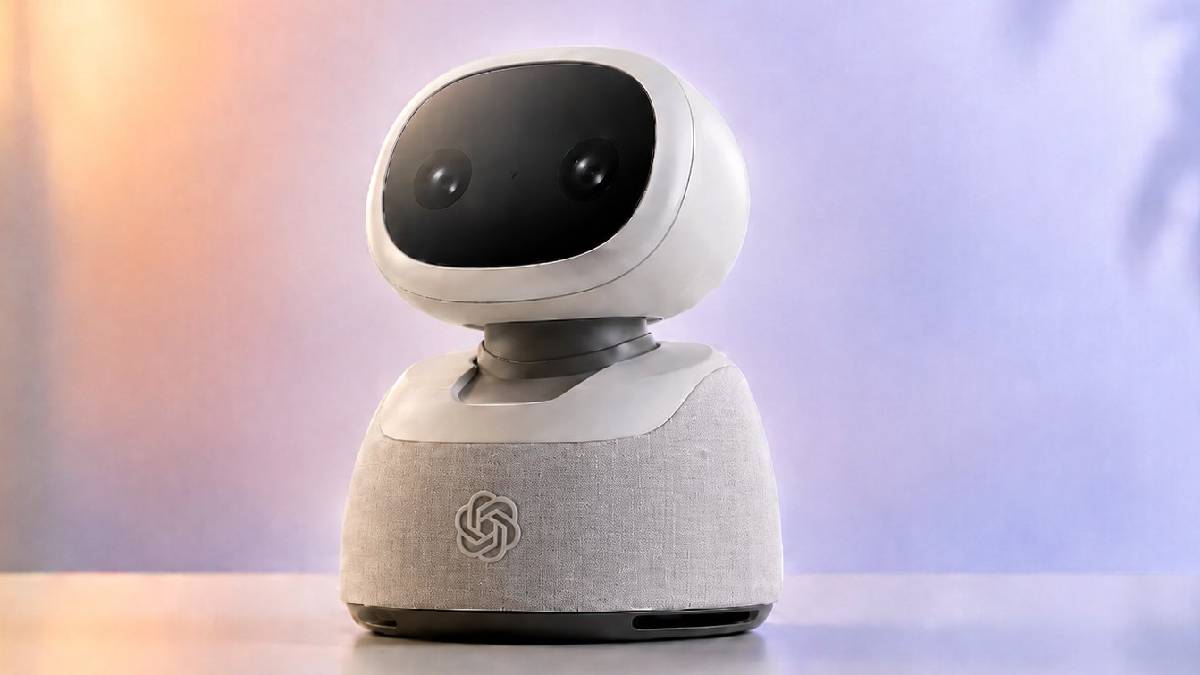
Although there are no specific details about OpenAI’s project, it is clear from the report that OpenAI is looking at a future in which robots based on AI will be employed in everyday life. This would be a fundamental step towards the development of artificial intelligence that combines AI-driven robots with computer vision, speech recognition, reasoning, and robotic technology into a single consumer system.
OpenAI is reportedly preparing its first consumer robot.
— clankr (@clankrmedia) July 16, 2026
The screenless, ChatGPT-powered speaker has cameras and sensors.
Its mechanical parts can move on their own.
It is designed to feel like a companion at home.
Release is expected in 2027. pic.twitter.com/GStvgjNMy6
The global robotics industry has grown rapidly in recent years thanks to AI, sensors, processors, and machine learning. Organizations worldwide are also developing robots for household jobs, aging people, helping people in healthcare, and automating repetitive work. OpenAI would be part of a growing number of tech companies looking to make intelligent robots available to consumers in that category.
A consumer robot that uses OpenAI’s technology could understand natural language conversation, identify objects and people, navigate indoor environments, and perform a variety of practical tasks when interacting with people. Depending on the design and capabilities, a robot could handle scheduling, home management, education, basic household tasks, or digital personalization of services.
One of OpenAI’s strengths is that OpenAI’s strengths are in AI models that can reason, interpret context, and answer in a human-like manner. By applying these skills to robotics, human-robot relationships can be improved by embedding these capabilities into the robots, so that machines can understand spoken instructions and respond to them more easily, adapt to changing environments more quickly and with little supervision, and perform complicated work in less time from a human environment.
The initiative is also part of a larger industry trend of embodied AI— putting artificial intelligence into physical systems rather than just digital systems. As AI gets better at translating the physical world into cameras, microphones, and sensors, robots will become more autonomous, flexible, and useful in everyday life.
But establishing a successful consumer robot would entail enormous engineering challenges. Robots, unlike software products, must function safely in dynamic real-world environments and handle unpredictable situations. Mobility, object manipulation, battery life, hardware durability, and cost-effective production are some technical challenges that companies need to be able to address before mass-market adoption is possible.
Privacy and safety will also be key to consumer robotics development. AI-based robots with cameras, microphones, and environmental sensors need to have strong security to protect users’ data and make sure that people are safe while working in the home and workplace. Transparency of companies’ policies, ethical AI practices, and compliance with forthcoming regulations are key to winning public trust.
The venture in robotics would also build on OpenAI’s ongoing push to expand AI beyond conversational assistants into robotics as well as to pursue applications in a more general real-world context. The company could create intelligent machines that can interact with people in more useful and productive ways when it combines advanced AI models and robotic systems.
The next decade will see rapid growth of personal robotics because of advancements in AI, semiconductor technology, battery systems, and mechanical engineering that make advanced robotics more accessible and affordable. Consumer robots could eventually replace smartphones and smart home devices for everyday use, and will assist in the daily life of individuals, education, entertainment, and accessibility.
Although OpenAI has not officially announced a consumer robot yet— nor has it announced any specifications, timelines, or launch plans— the company's interest in robotics shows the gradual convergence of artificial intelligence and physical automation. If realized, its first consumer robot on the market could be an important step toward a future where intelligent machines are integrated into our lives and technology is made an essential part of our environment, and we see it in our lives— at home and at work.