A Pakistan Air Force (PAF) training aircraft crash took place in the northwestern province of Khyber Pakhtunkhwa, and both pilots on board died in the tragic accident. The accident happened on a training mission. Officials said it was routine training, and rescue teams and military personnel were quick to respond.
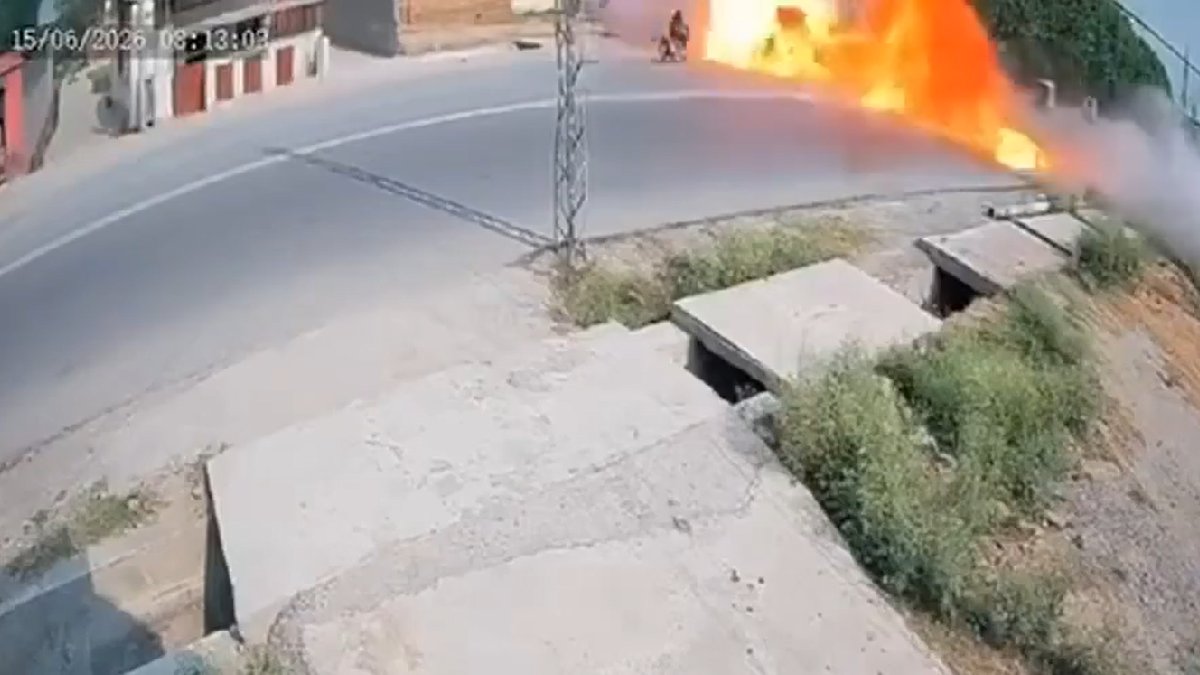
There was an early indication of a plane crash as the aircraft went down in a remote area of Khyber Pakhtunkhwa after experiencing difficulties during the flight, preliminary reports say. The witnesses in nearby villages heard a loud explosion and saw smoke rising from the crash site. Emergency authorities and security personnel rushed to the spot and started rescue and recovery operations immediately.
However, due to the impact of the crash, both pilots died at the scene. Their identities are not yet publicly available until the families are notified. Military officials have expressed their sorrow at losing the two officers who were dedicated soldiers who were doing their job of serving the country.
The Pakistan Air Force confirmed that the aircraft was in training when the accident took place. Training flights are conducted daily for operational readiness and for pilots to be ready for different mission scenarios. While these kinds of exercises are a critical part of military aviation, they can also have serious risks when pilots operate complex aircraft in a demanding environment.
CCTV visuals of the Pakistan Air Force aircraft crashed near Gudar Sawaldair in Katlang Tehsil, Mardan of Pakistan.
— Dharm (@dhram00) June 15, 2026
First responders and relevant authorities reached the site immediately.
An investigation has been started to determine the cause of the crash. pic.twitter.com/ZUWmDZgMwl
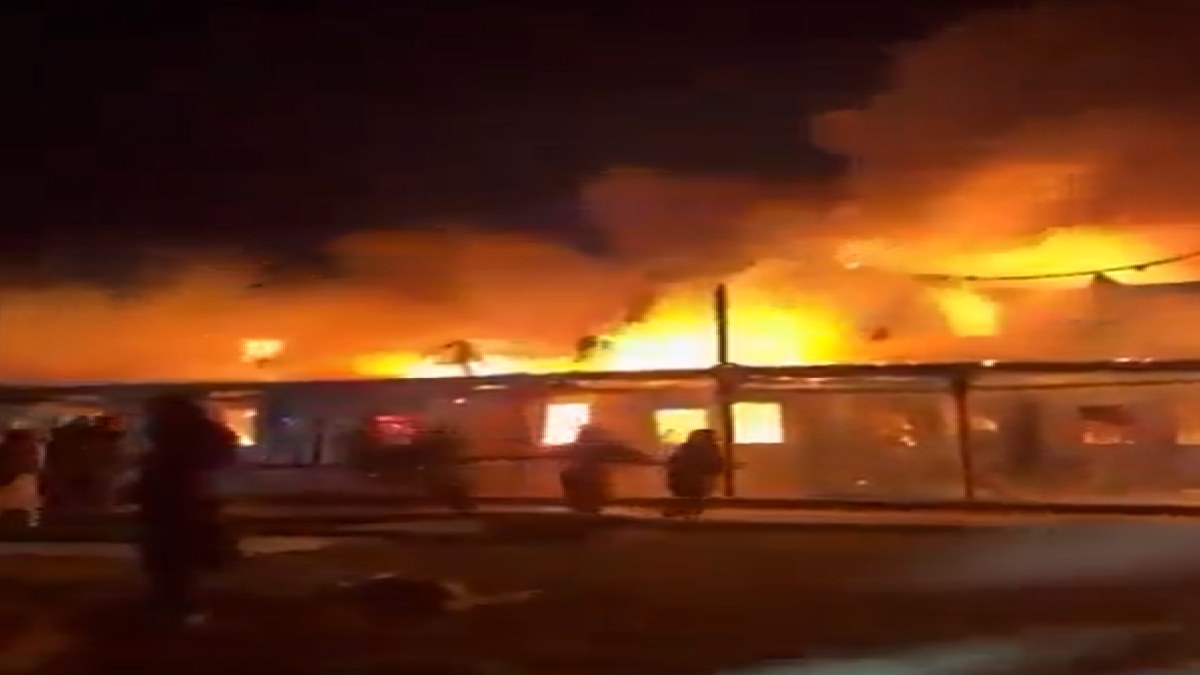
Following the accident, military authorities secured the crash scene and initiated an investigation to determine the cause of the accident. A board of inquiry was set up to assess everything from mechanical failure, technical problems, weather conditions, and other factors that might have caused the crash.
Aviation experts say that military aircraft accidents are complex and time-consuming to investigate, and investigators usually analyse flight data, maintenance records, communications, and wreckage evidence to reconstruct what was happening before the crash. The results of the inquiry will be critical to determine if procedural or technical changes should be made in order to prevent such a disaster from happening again in the future.
Training, experience, and resources are all essential to a military aircraft fighter jet's training, and these are part of any air force and training for the pilots that are available to them. However, military personnel are vulnerable because of the risks faced during training and operations.
The Pakistan Air Force has been training pilots and technical personnel for many years in order to achieve high professional standards for their air force. Although the operational safety of military aviation has improved greatly in the last few decades, accidents still occur despite strict maintenance protocols and operational safeguards.
Messages of condolence have come in from military personnel, government officials, and people all over Pakistan after the news of the crash. Tributes have honoured the dedication and sacrifice of the two pilots who lost their lives while serving their country.
As investigators continue to work at the crash site, further details regarding the aircraft, the identities of the pilots, and the circumstances surrounding the accident will be revealed. Until then, the focus is on the families of the deceased officers and uncovering the cause of the tragic incident.
The crash is a grim reminder of the hazards faced by military aviation and the dedication of armed forces personnel who undertake challenging missions in the line of duty.