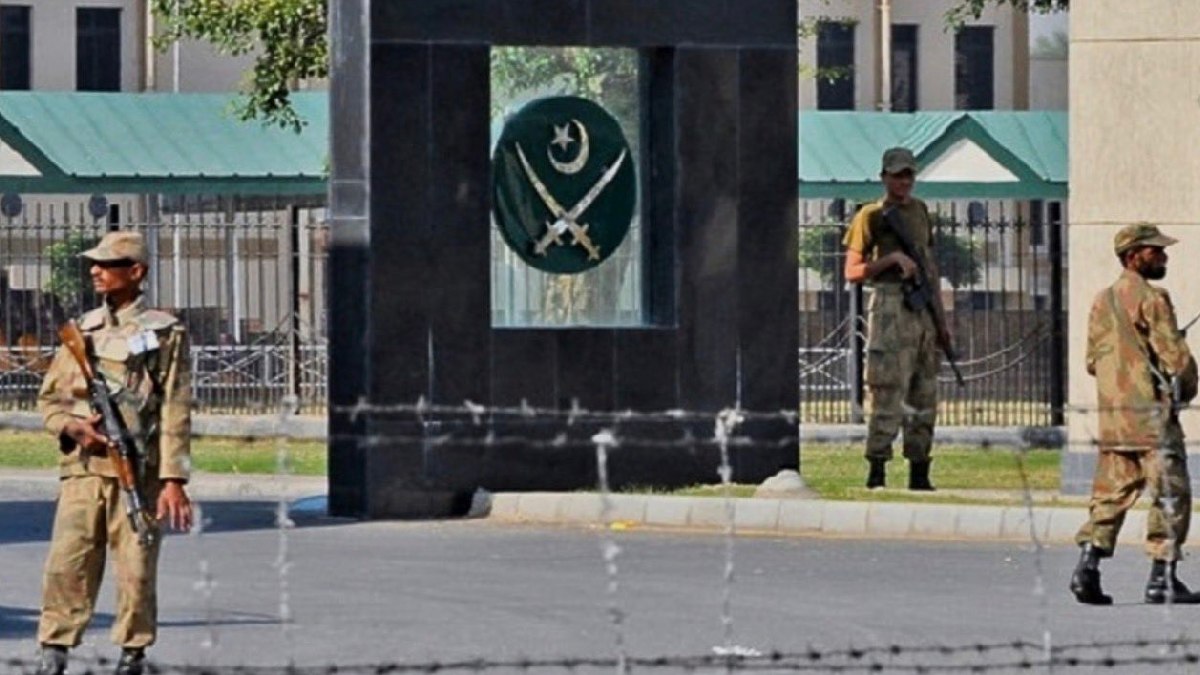
Pakistan’s powerful Army Chief and Field Marshal Asim Munir has been given another national responsibility, and now he’s the head of Pakistan’s powerful Army Chief and Field Marshal at large so far to serve in the country’s expanding population. The decision by the Prime Minister Shahbaz Sharif’s government has prompted a debate on the military’s growing role in Pakistan’s civilian life and critics say democratic institutions are increasingly being sidelined by the armed forces.

Syed Mustafa Kamal, the health minister of Pakistan, at a recent session of the Senate of Pakistan, said population growth is too fast in Pakistan in recent years. Pakistan is the fifth most populated country in the world, and already has a population of more than 259 million according to official numbers. If current trends continue, according to government projections, Pakistan would overtake Indonesia to become the fourth largest country in the world by 2030.
The rapid growth is seen as a serious threat to Pakistan’s already fragile economy, strained public services and limited natural resources, officials say. Increasing unemployment, food insecurity, pressure on health care and education, and growing fiscal problems have all been linked to the country’s demographic growth.
Thus, it has convened a high-level committee on population management with Field Marshal Asim Munir as one of its key members. The document says Shahbaz Sharif personally talked with Munir before giving the committee approval, which is a clear indication of the impact of the military chief on major policy decisions.
It has led to a huge debate in Pakistan. Opposition voices, political analysts and many social media users have been asking why a serving military chief has been assigned a job that has been traditionally held by civilian ministries and public health experts. When population control is needed from the Army Chief, Pakistani journalist Asad Toor said, the civilian government has little reason to stay in power, he said.
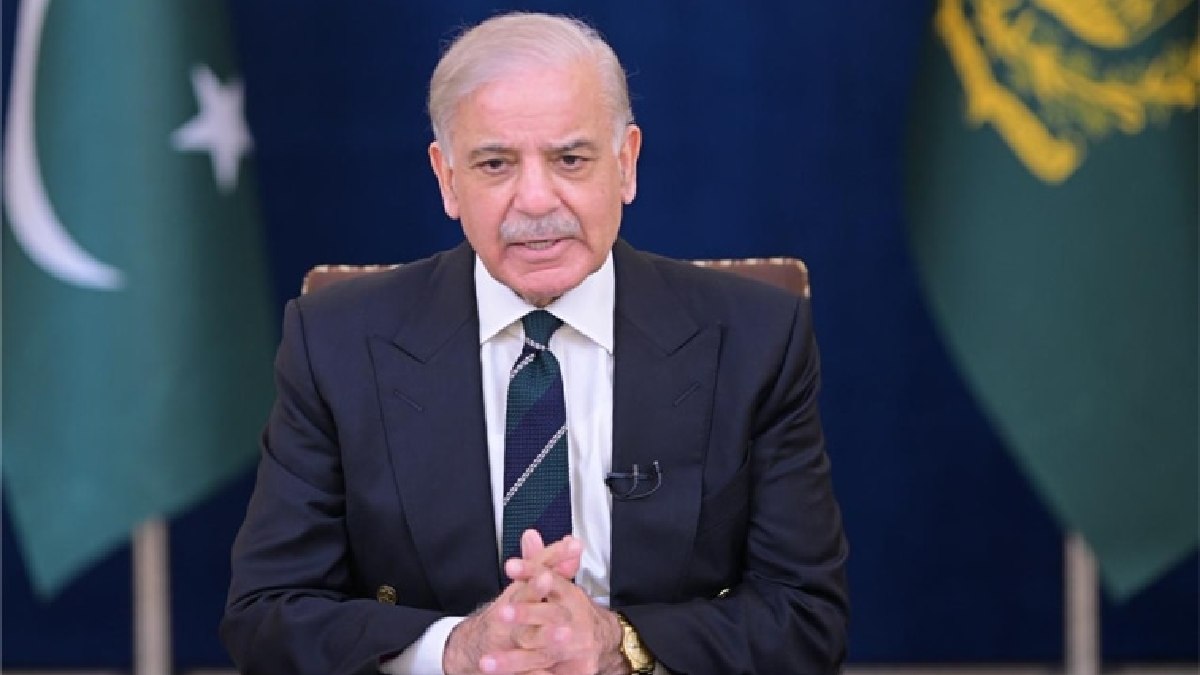
However, the government has defended the decision saying population control is a national priority which requires coordination between several institutions and this is now a national priority, and so there are many institutions involved and we need to work together in the process.
The Health Ministry has pinpointed several reasons for the high birth rate in Pakistan. Low access to contraceptives, poor family planning awareness and policy gaps need to be looked at. In Pakistan, every year about 6.7 million children are born, putting enormous pressure on the country’s economic and social infrastructure, officials said.
As population growth slows down, the government is considering tax incentives and better contraceptive access as part of a strategy to reduce it. Another proposal is to revise Pakistan’s revenue-sharing formula between provinces as well.
Currently, more than 80 percent of federal financial allocations are tied to population size, which critics say is not only biased against people from the province but also unintentionally pushes provincial governments to favour higher population growth. Health Minister Kamal has advocated for reducing that percentage to less than 50 percent and creating new performance-based criteria for resource distribution.
Politics will be sensitive to such reforms. Punjab, the most populated province in Pakistan and the political heartland of the ruling Pakistan Muslim League-Nawaz (PML-N), receives a huge percentage of federal resources under the current formula. Any such change will face a lot of political resistance as Punjab is at the heart of Pakistan’s political and economic landscape.
Asim Munir’s involvement in another major national issue is evidence of the military’s increasingly prominent role in Pakistan’s governance. Supporters see it as a practical response to a serious national issue and others say it is a step further mixing up civilian administration and military influence, raising questions about the balance of power in the country.