As the fuel and economy spirals more and more in the red, Pakistan’s government has announced a number of austerity measures designed to lower spending levels and prevent the country from slipping into recession. The radical cost cutting plan has also been to ban official Iftar parties staged during Ramadan, while ministers and senior government officials being paid 25% less on wages.
The moves come after Pakistan persistently grappled with climbing fuel prices, tight foreign exchange reserves and growing stress on its energy supply system. Under the new rules, several attempts to reduce government expenditure have been made:
- No official Iftar parties by ministries or government departments during the month of Ramadan.
- 25 percent salary cuts for federal ministers, ministers of state and advisers.
- Limitations on new government vehicle purchases.
- Limits on travel from abroad by government officials.
- Reduce electricity and fuel use in government offices.
- Leaders say the measures are intended to conserve resources, as the government tries to stabilize fuel supplies and the economy.
Fuel crisis and financial squeeze
With the price of imported fuel and oil up dramatically around the world, Pakistan is confronted with a serious energy crisis. The depleted foreign currency reserves have meant the government can’t spare enough to pay for large-scale energy shipments from overseas, which also leads to fuel shortages and increased costs for businesses and households due to the price increase.
Industry and transportation have also taken a hit, and some have cautioned that the fuel and electricity supply might not be repaired soon enough, raising the prospect of a reduced operation.
Government’s Response
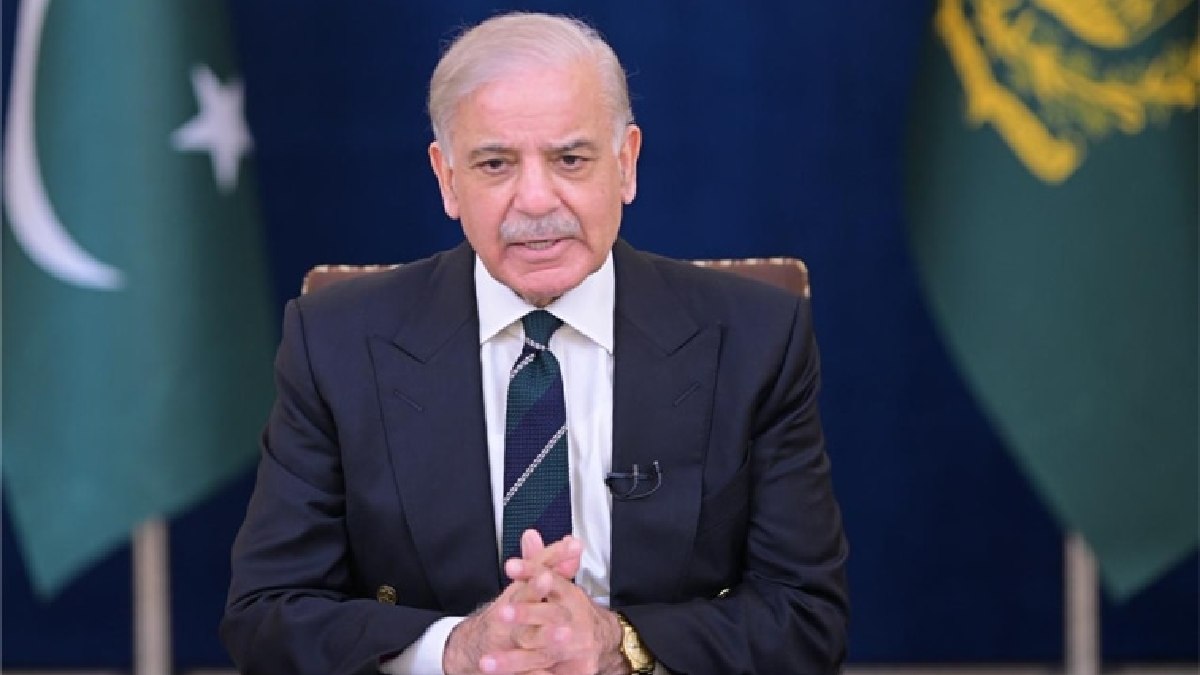
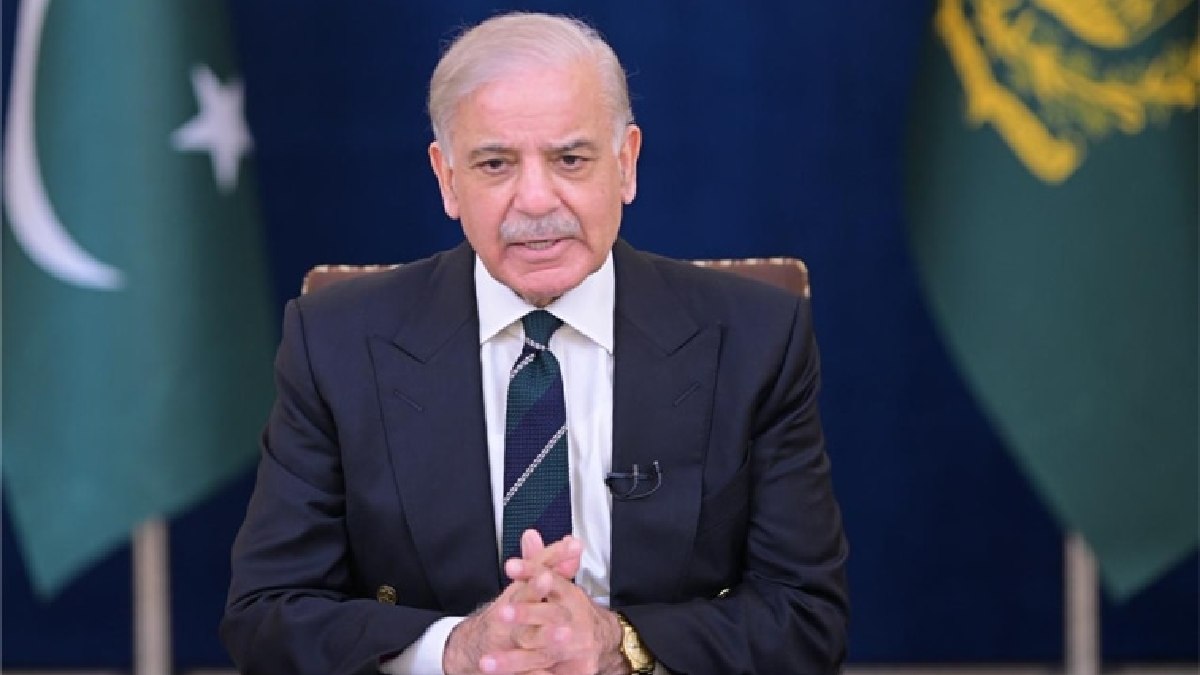
Shehbaz Sharif, the prime minister, has said the austerity measures were a necessary measure to act responsibly and lead at an increasingly difficult time for the country. The government needed to set a good example cutting its own expenses before it asked citizens to choose and pay the cost of economic reforms, officials said. The measures could also engender confidence among foreign lending and financial institutions, which have close eye on Pakistan’s economic policies, the authorities said.

Public Response and The Future Approach to the Crisis
While some economists and analysts have hailed the austerity plan as a symbolic step toward fiscal rigor, others say structural economic reforms and answers to energy concerns will be needed to pull through the crisis. For now the public reply hasn’t been clear.
Many citizens are in favor of lowering public benefits but angry that their every day lives now comprise increased living costs, inflation, limited fuel and other realities that have impacted daily routines. In Pakistan, where its economy is suffering from an economic downturn, the success or failure of the austerity plan is a point determined more by a government's attitude than public trust and economic stability.