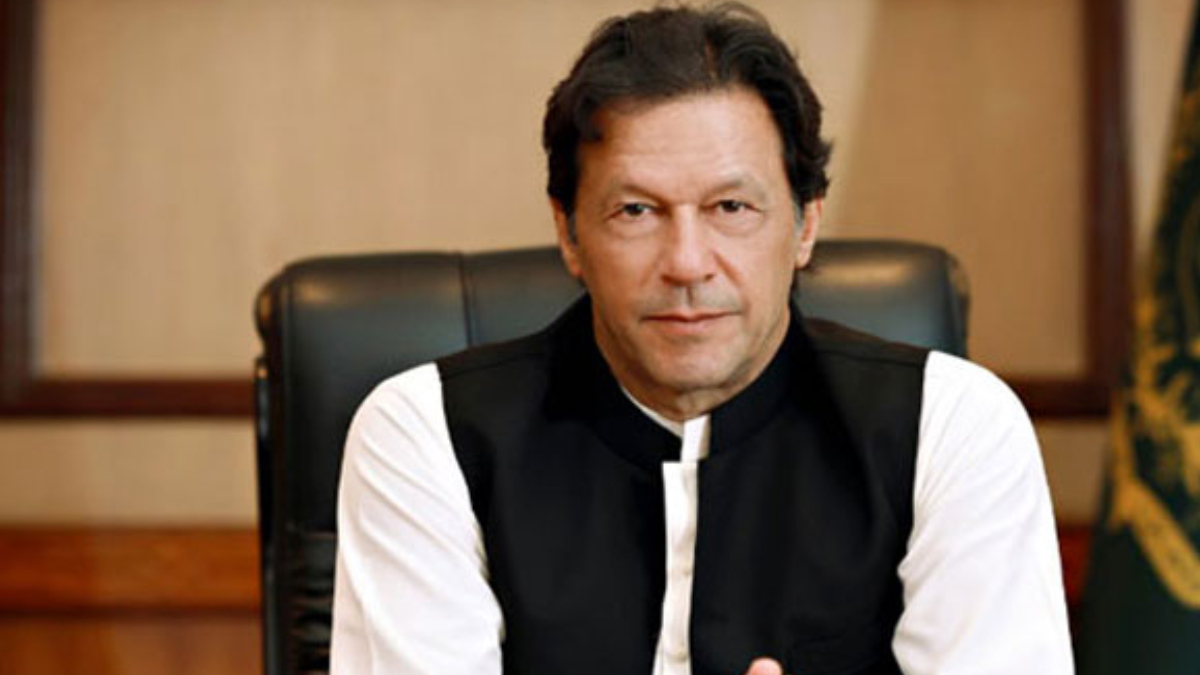
A widely circulated claim about social life in parts of Pakistan has sparked debate online, drawing attention to issues of gender segregation, cultural norms, and societal contradictions.
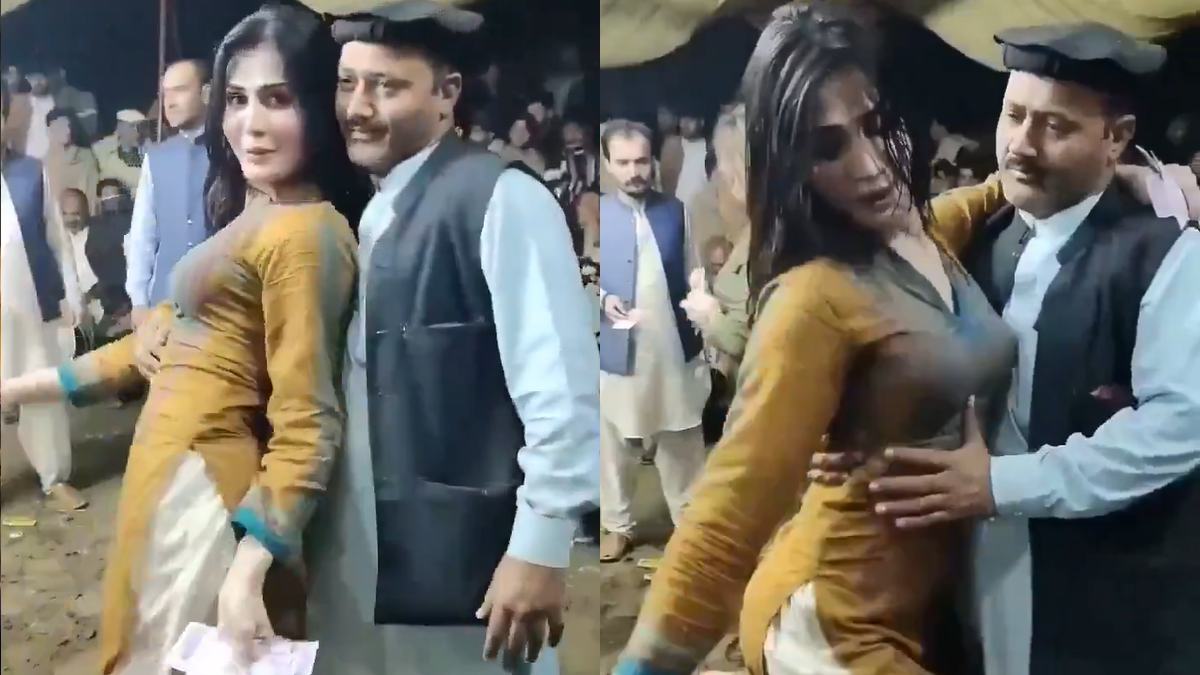
In many conservative regions, strict gender segregation is practiced, limiting interaction between men and women in public and social spaces. This often results in male-dominated gatherings and environments where women’s presence is minimal or entirely absent.
At the same time, discussions have emerged around the role of transgender individuals in society. Pakistan legally recognizes transgender persons and has, in recent years, introduced protections for their rights, including identity recognition. In some cultural contexts, transgender performers often referred to as part of traditional communities participate in ceremonies and gatherings, particularly among male audiences.
However, the broader situation remains complex. While transgender individuals may have a visible cultural presence in certain settings, they still face significant social stigma, discrimination, and economic challenges. Acceptance is not uniform and varies widely depending on region, community, and social attitudes.
The issue also highlights a contradiction in societal norms. While same-sex relationships are criminalized under the law, certain traditional practices involving gender-diverse communities continue to exist in specific cultural frameworks. Experts point out that these contradictions reflect deep-rooted historical, religious, and social influences that shape behavior and beliefs.

It is important to approach such topics with nuance and avoid sweeping generalizations. Social realities in Pakistan, like in any country, are diverse and cannot be reduced to a single narrative.
Overall, the discussion underscores the need for greater awareness, sensitivity, and informed dialogue around gender, identity, and cultural practices in evolving societies.