Pakistan has launched one of its most significant counterterrorism operations in recent months, launching a ground offensive and what it called “calibrated strikes” along the Pakistan-Afghanistan border. 29 militants have been killed in Pakistan, while the Taliban-led government in Afghanistan has claimed Pakistan has caused civilian casualties— including women and children— worsening the tension between the two neighbours.
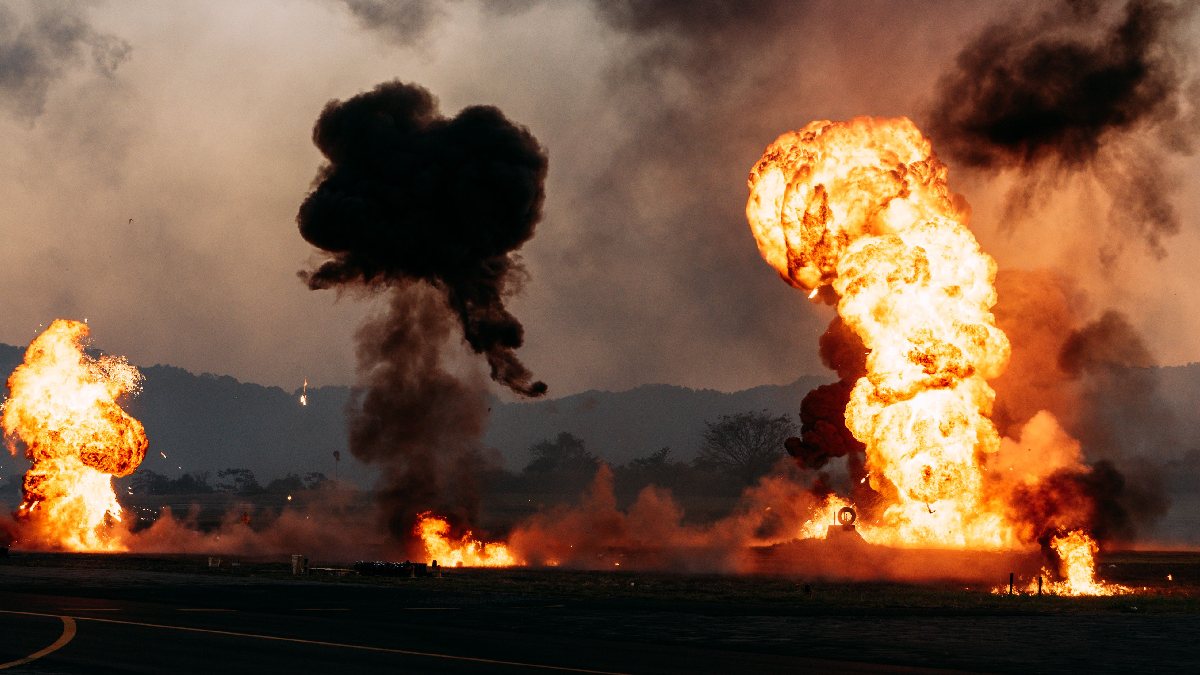
The operation comes amid a surge in militant attacks across Pakistan and follows a deadly attack on the headquarters of Pakistan Rangers in Karachi.
Pakistan Launches Intelligence-Based Operation
According to Pakistani Information Minister Attaullah Tarar, security forces had conducted an intelligence-based ground operation to search for militants’ hideouts and safe havens near the Afghan border. The military’s response to a number of recent attacks in Pakistan and its overall operation were part of a long-term strategy to destroy militants’ infrastructure that threatens national security.
Pakistan says that militant groups operating from across the border have increasingly targeted its security forces and civilians.
Afghanistan Condemns the Strikes
The Taliban-led Afghan administration strongly condemned the military action. Government spokesman Zabihullah Mujahid said the strikes have resulted in the deaths and injuries of thousands of civilians, including women and children, calling the operation “a crime” and “an act of brutality.”
Pakistan has not publicly disclosed reports of civilian casualties and independent verification of the competing claims is limited. Karachi Attack Triggered Swift Military Response
The border operation came less than 24 hours after militants attacked the regional headquarters of the Pakistan Rangers in Karachi.
According to Pakistan's military:
Three Rangers personnel were killed. Four security personnel were injured. Security forces killed three attackers. One wounded suspect was captured alive.
Jamaat-ul-Ahrar, a group associated with Tehrik-e-Taliban Pakistan (TTP), claimed responsibility for the attack. Pakistani authorities said the arrested attacker was an Afghan.
Why is Pakistan experiencing so many terror attacks on its people?
Since the collapse of peace talks with the Tehrik-e-Taliban Pakistan (TTP), Pakistan has seen a steady resurgence in militant violence. The TTP, which is separate from Afghanistan’s Taliban government, has ideological roots with the Afghan Taliban and has intensified attacks on military installations, police stations, and security personnel in Khyber Pakhtunkhwa and Balochistan.
Islamabad has repeatedly accused Kabul of allowing TTP fighters to use Afghan territory as safe havens for cross-border attacks. Afghanistan has consistently denied these allegations, saying it does not allow the territory of its neighbors to be used against any neighbouring nation.
Growing Diplomatic Tensions
The latest strikes are part of a wider deterioration in Pakistan-Afghanistan relations.
In the last few months, both countries have been involved in disputes over cross-border militancy, border security, and the movement of armed groups. But diplomatic channels (including mediation) have failed to calm tensions and there are fears of a greater military escalation along the border with neighbors like India.
Regional Security Concerns
The latest operation is indicative of the security environment in South Asia becoming increasingly volatile, security experts said. Pakistan is trying to stop the revival of militant groups through intelligence-led operations, while Afghanistan continues to deny responsibility for attacks originating from its territory.
The contradictory claims over civilian casualties also highlight the challenges in verification of the situation in remote border regions where access for independent observers is also limited. As investigations continue, however, the operation will only further strain already fragile relations between Pakistan and Afghanistan and keep regional security at the forefront of global attention.