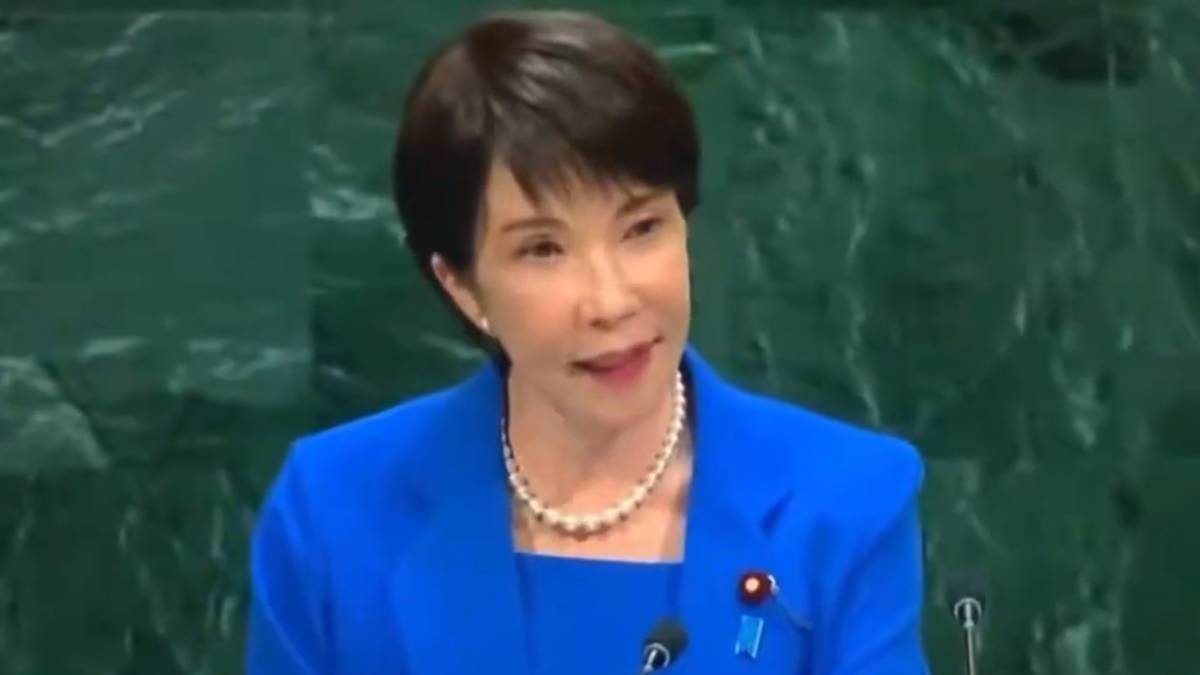
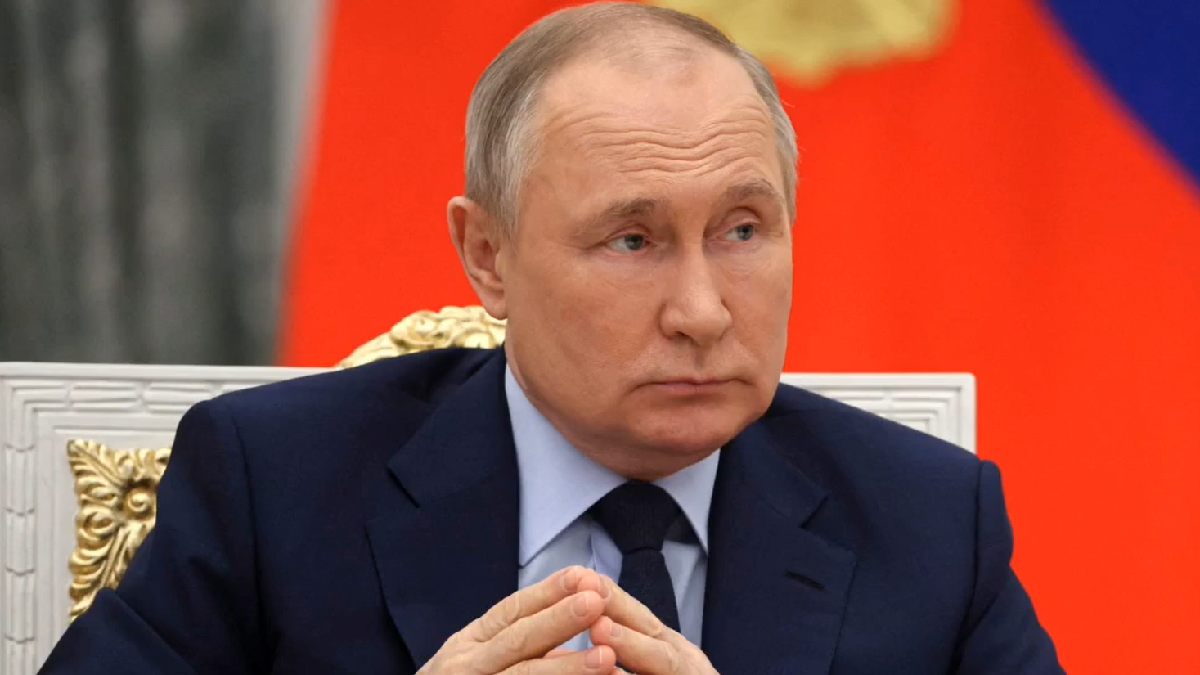
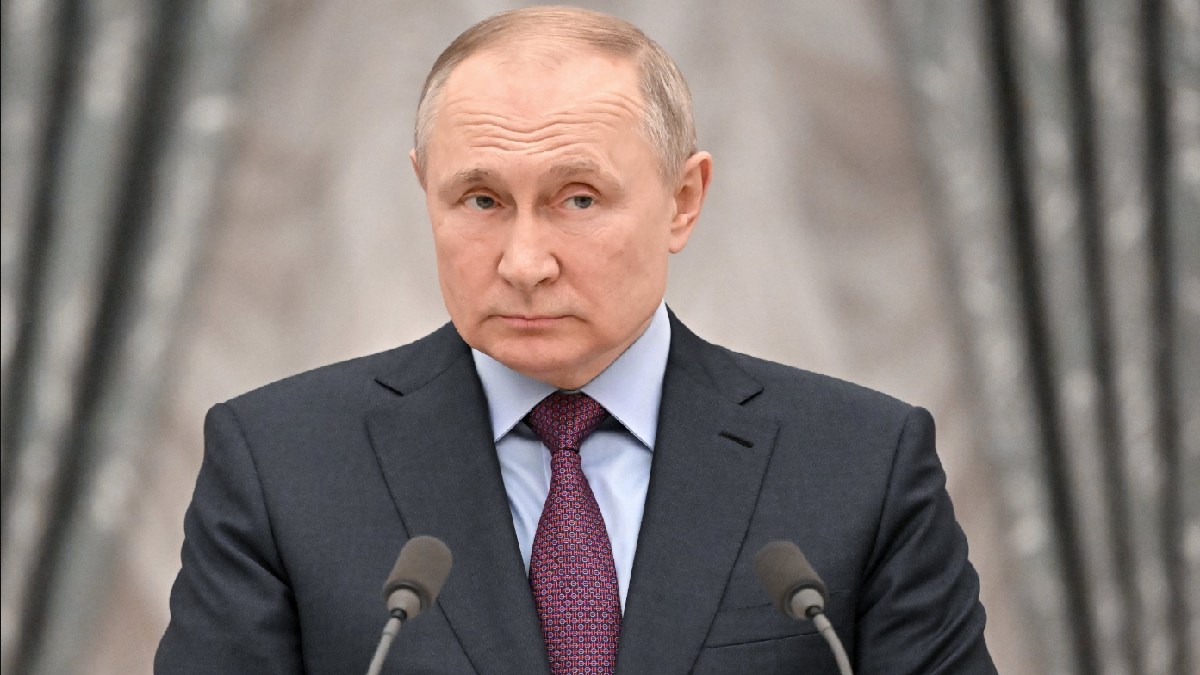
Japan’s prime minister, Sanae Takaichi, has strongly criticized Russian President Vladimir Putin’s visit to Iturup Island, one of the four disputed islands that Japan claims and Russia controls, calling it “absolutely unacceptable” and warning that it could even further strain already strained relations between the countries.
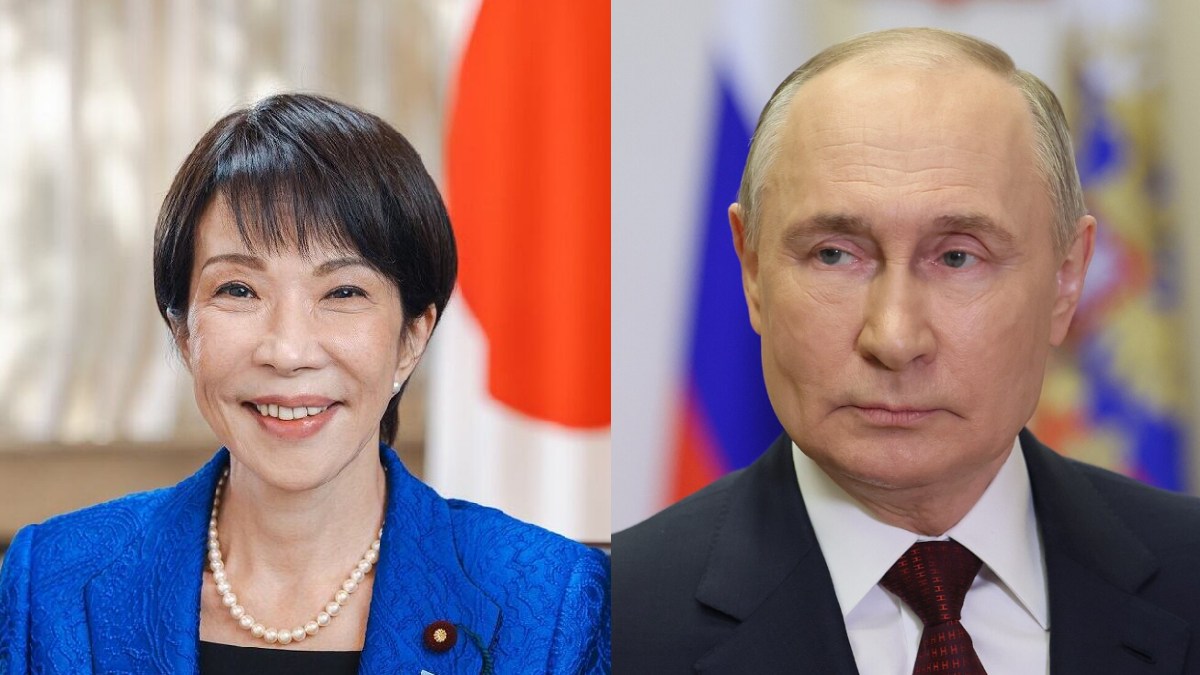
Putin visited Iturup, also known as Etorofu in Japan, on Thursday in what has been described as his first visit to one of the four southernmost islands in the Kuril chain known as the Northern Territories. The visit has triggered a sharp response from Tokyo, which has long maintained that the islands are exclusively Japanese property.
In an informal press conference at the official residence in Tokyo yesterday after reports of Putin’s visit, Takaichi said Japan had repeatedly asked Moscow not to make such high-level visits to the disputed territory. According to the Japanese government position, Tokyo had protested Moscow's behavior in advance and had protested, especially after Putin had declared in January 2024 that he would visit the area.
Takaichi said Putin’s presence on Iturup was incompatible with Japan’s longstanding position on the territorial dispute. She also stressed the emotional significance of the issue for the Japanese public, saying the visit hurt the feelings of Japanese people and therefore could not be accepted by Tokyo.
The dispute is about four islands: Iturup, Kunashir, Shikotan and the Habomai group. Japan calls them the Northern Territories, while Russia refers to them as the Southern Kurils. The islands sit between Japan’s northern island of Hokkaido and Russia’s Kamchatka Peninsula and have been at the center of the territorial dispute between the two nations for decades.
The dispute can be traced to the late stage of World War II. Japan maintains that the four islands were illegally captured by the Soviet Union in August 1945. Japan has also held that the territories are part of the country's historical territory and hence were not part of the territories that it was obliged to renounce under the 1951 San Francisco Peace Treaty.
But Russia, however, has a different view. Moscow maintains that Soviet control over the islands was established as a part of the post-war settlement after the end of the war and it cites Allied agreements, like the Yalta agreements, to support its position. Russia believes the islands are part of its territory and rejects Japan’s claim to sovereignty over them.
The territorial dispute has had a huge impact on Japan-Russia relations. The two countries have never formally resolved the dispute and the issue has also kept them from negotiating a post-World War II peace treaty. While diplomatic talks and compromise have been made, the sovereignty issue has not been resolved.
The latest development comes at a time when relations between Tokyo and Moscow have grown more tense. Japan has joined Western countries in imposing sanctions on Russia over its invasion of Ukraine and Moscow has strongly criticized Japan's position and introduced countermeasures.
The Northern Territories issue is also a very significant historical and emotional issue in Japan. Former residents and descendants have supported the campaign for the return of the islands and the present Japanese governments have continued to insist that the territorial issue must be resolved.
Putin’s visit to Iturup could therefore have implications beyond the symbolic significance of a presidential visit. Tokyo is likely to perceive the move as a direct challenge to its territorial claims, while Moscow might see the visit as a reaffirmation of Russian sovereignty over the Southern Kurils.
Takaichi’s strong response is evidence that Japan is determined to keep on asserting its position despite the deteriorated relationship with Moscow. Her comments also demonstrate the extent to which the Northern Territories issue is still an issue in Japan’s foreign policy and domestic politics.
With the two sides still deeply divided on sovereignty, the latest conflict is not likely to resolve the decades-old dispute. Putin’s visit will make diplomatic relations even more difficult and deepen an already combustible rivalry between Japan and Russia over one of East Asia’s longest-running territorial disputes.