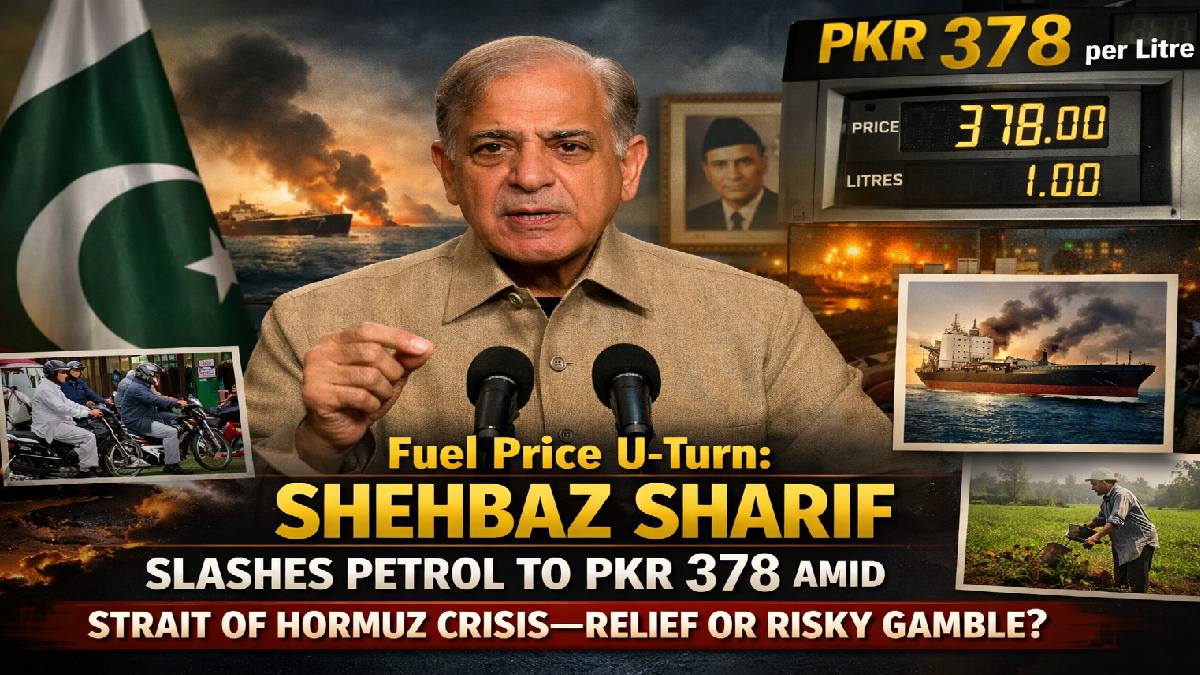
Pakistan's petrol crisis is getting worse with petrol prices rocketing to Rs 200 per litre and so high, causing panic regarding a chronic supply shortage and economic crisis. For people looking for fuel there are lineups in Karachi, Lahore and Islamabad.
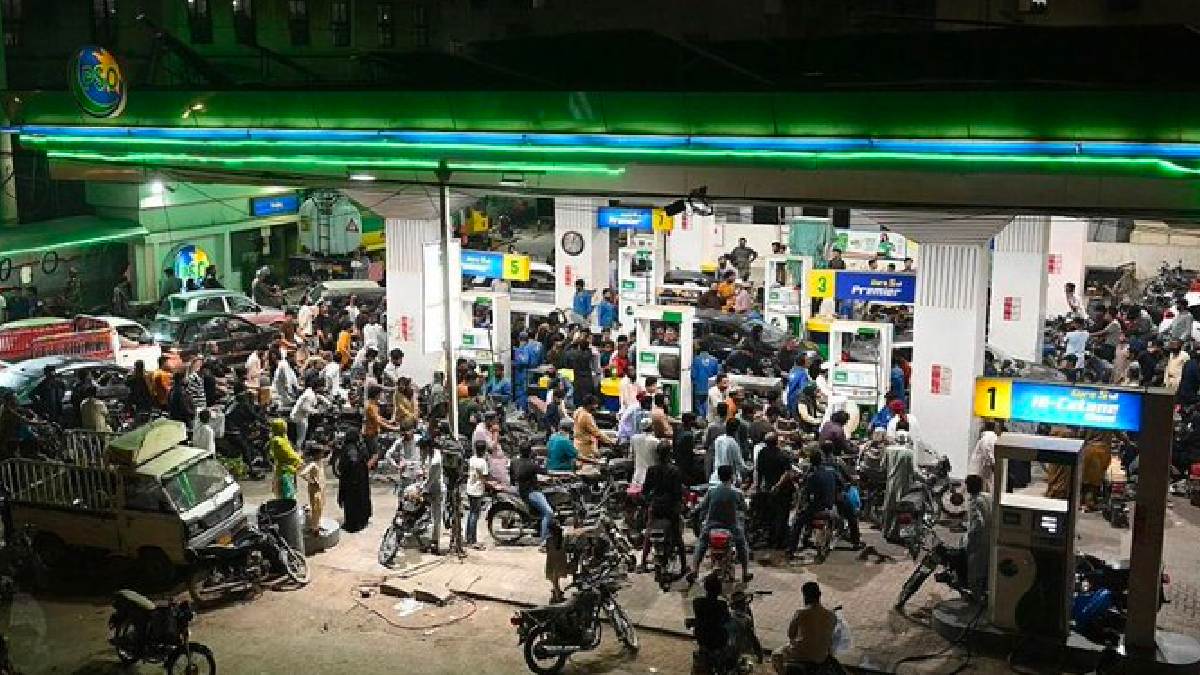
Price hikes are mainly driven by shortages, higher oil prices in the global market and the economic problems facing the country. Top-quality vehicles have been scarce in many places where high-octane is used and fuel manufacturers are charging fuel retailers to supplement that supply too high. Industry experts say the rise in fuel shortages and its impact on price will escalate if supply chains stay at such a low level because of supply cuts to car and gasoline manufacturers because international prices rise too soon in some spots, and because of the country’s economic problems.
Petrol pump owners say their product supplies have come in and come out fluctuating to the same time of the week and the whole environment is very stressed. “People are rushing to fill their tanks and even storing fuel in cans, fearing that prices may go higher or supplies would dry up,” said a fuel station owner in Karachi.
And this all has to do with Pakistan’s foreign currency issues which have made importing enough fuel difficult. The government has struggled to maintain strong energy imports with low international dollar reserves and hence has more of a role as it put more pressure on its domestic fuel supplies.
People have been advised to stop panic buying and that the situation is being settled down. However, a sharp increase in prices means that it may already lead to the transportation and a lot of people depend on the supply of fuel (transport) or some of the major industry(s) of that nation. Expanding the country’s transport costs and inflation might cause prices of all goods become more high.
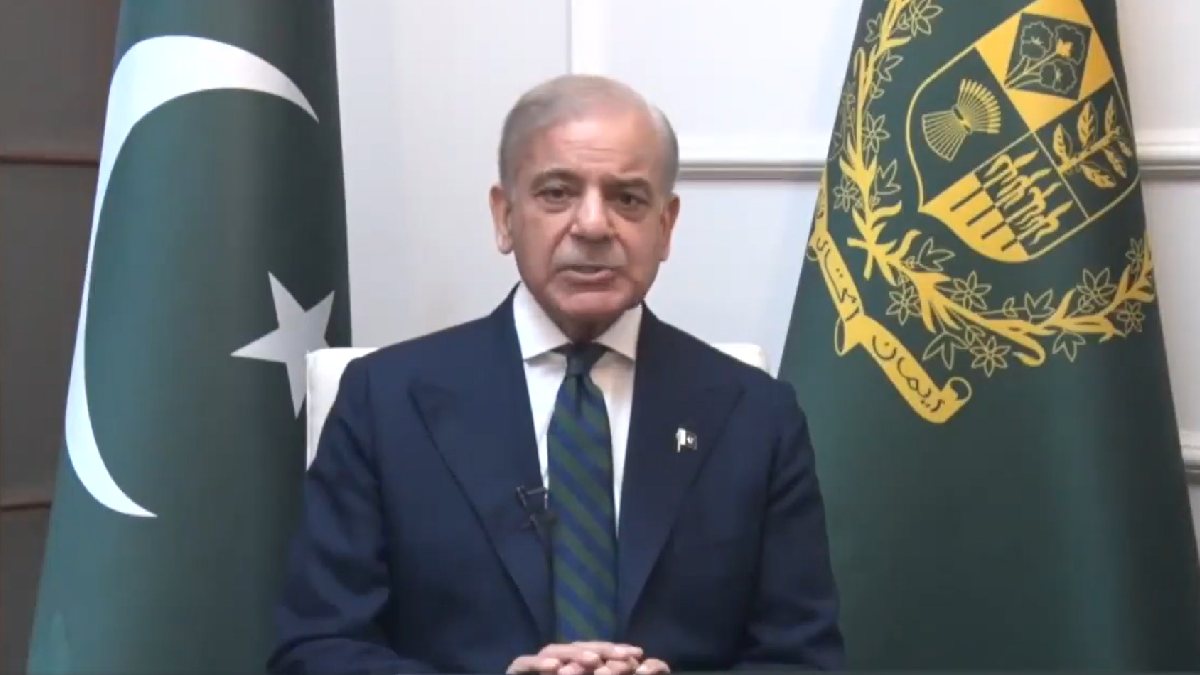
If no urgent actions (e.g., securing emergency fuel imports or recovering currency reserves, he says) are taken, the situation would only worsen. The government, according to speculation, is looking into negotiations with international suppliers and some pricing changes in fuel products.
The current situation places Pakistan’s energy sector at risk and economy on the line of control while the rest of the world focuses upon Pakistan’s dependency on global financial markets. Citizens and businesses are both watching a waiting game as this situation will not go away quickly, they have a right to expect a lot for an early intervention to prevent the country in an unexpected way so a crisis comes to their door.