Pakistan is to play a central diplomatic role once again as it prepares to host the next round of indirect negotiations between the United States and Iran, with discussions likely to focus heavily on sanctions relief, frozen Iranian assets and Tehran’s nuclear programme.
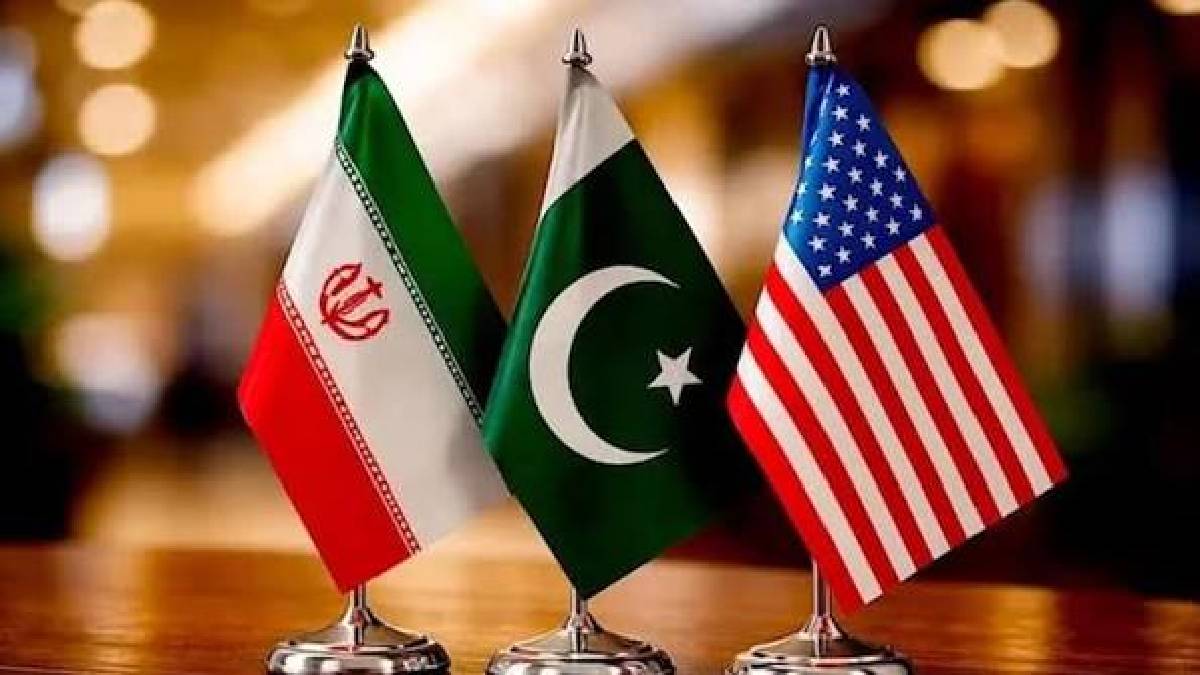
According to several diplomatic reports, Islamabad is the most likely site for the talks on July 11, 2026, but officials said the final verdict was still to be received.
The talks come at a critical time after months of fragile ceasefire arrangements and technical-level talks in Switzerland and Qatar. Talks focused on lowering tensions in the Strait of Hormuz, easing maritime dangers, and limited sanctions relief in exchange for Iran’s commitment to transparency of nuclear activities.
Now, the talks in Islamabad are likely to turn to more politically sensitive issues. The main issues will be the scope of US sanctions on Iran, the release of Iranian assets frozen abroad and Iran’s nuclear enrichment programme, which is still one of the major divides between Washington and Tehran.
Pakistan’s role as host builds on its recent diplomatic engagement in facilitating indirect US-Iran communication channels. Islamabad has positioned itself as a neutral intermediary, using relationships with both Western powers and regional states to maintain dialogue and prevent escalation in the Middle East.
The negotiations are part of a broader framework established in these previous agreements based on a 60-day window for a full settlement and include nuclear restrictions, economic sanctions and regional maritime stability, particularly around the strategically vital Strait of Hormuz.
But major disagreements remain unresolved. The United States is seeking tough limits on Iran’s nuclear capabilities and verification mechanisms, while Iran wants huge sanctions relief and access to frozen overseas assets as a prerequisite for deeper commitments.
Pakistan’s involvement is not only a regional necessity but strategic diplomacy, analysts say “Pakistan’s involvement in the talks is both regional necessity and strategic diplomacy.” By hosting the talks, Islamabad aims to cement its image as a peace broker and reduce tension that could have implications for energy markets and regional security.
The next round will also test whether recent technical progress can be translated into political agreement. Although the previous meetings have led to limited understanding, no grand deal has been reached yet.
If the Islamabad talks are successful, they would mark a major step toward de-escalation between Washington and Tehran. But if they fail, observers say, the tension will be back high and nuclear escalation concerns and sanctions enforcement will only further escalate.
For now, world attention is focused on Pakistan’s diplomatic stage in which two long-standing adversaries are once again trying to bridge decades of mistrust.