A Palestinian family living near Qusra on the outskirts of Qusra south of Nablus in the occupied West Bank was trapped in its house after Israeli settlers erected an illegal structure that blocked access to the property around August 10. The recent incident has brought a new focus to the mounting tension in the West Bank and the way Palestinian residents and Israeli settlers have been fighting over land, movement and access to essential resources.
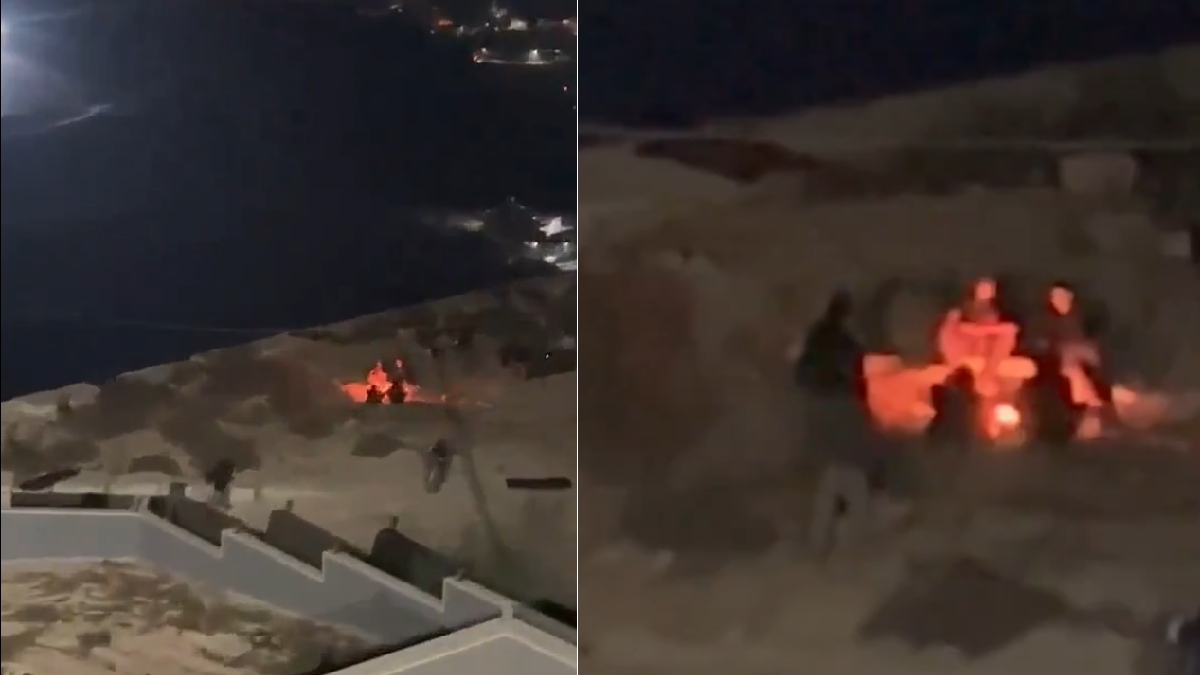
The family could not escape or get their supplies given the structure built near the family home, according to the accounts of the incident. Electricity was also cut off, just adding to the family’s difficulties. The settlers demanded that the residents leave their property, turning what would normally be a family home into the center of a multi-day standoff.
Andrey X, an independent journalist, has documented developments at the site and brought to the attention of the rest of the family. The residents’ hardships as the confrontation continued, he documented. Activists and supporters who tried to help were also faced with obstacles, with the area locked down by military forces.
The presence of Israeli Defense Forces personnel at the time of the incident added another layer of controversy. Israeli military authorities have condemned settler violence in various incidents and have said that unlawful activity must be investigated, but the reports from the scene raised questions about whether the forces there did take action to remove the group blocking the family’s home.
It has also shown the nuanced ties between military restrictions and humanitarian access in the West Bank. Activists trying to reach the family were unable to do so because parts of the surrounding area had been closed military zones. So efforts to deliver assistance were reportedly thwarted and the family remained inside their home with limited access to electricity, food and other necessities.
For the family, the dispute is not only a political conflict but it’s an immediate challenge to the safety to stay in their own home. Restrictions on movement and access to essential supplies can have serious consequences, particularly when residents are unable to leave freely or get help from people outside the region.
Qusra, a Palestinian village south of Nablus, has been associated with Israeli settlers and Palestinian residents for years. The region has been riven with conflicts over agricultural land, property, access roads and purported attacks. And such incidents have increased Palestinian communities’ anxiety and fears of displacement.
The episode takes place in the midst of more international scrutiny of settler activities in the West Bank. Palestinian officials and human rights advocates have been concerned about attacks and intimidation by settlers and Israeli authorities are under pressure to control violence and to prosecute those who attack Palestinians or illegally occupy private property.
The incident also illustrates the obstacles journalists and activists face in documenting events in areas where access to information can be restricted. Independent documentation can be crucial to establishing the conditions on the ground, but journalists or aid workers may also face barriers when military closures or security measures are imposed.
So the family's reported ordeal has become one more topic in the larger conflict over civilian protection, freedom of movement and Israeli settlements in the West Bank. International organizations and rights groups have repeatedly called for civilians to be protected regardless of nationality and for allegations of violence or unlawful activity to be thoroughly investigated.
The Palestinian-American family remains trapped inside their home without food or water, while extremist Israeli occupier gangs take turns, in an organized and continuous manner, besieging the house and preventing anyone from entering or reaching it in the town of Qusra, south of… pic.twitter.com/H1m9lQ7Xjw
— Daniella Modos - Cutter -SEN (@DmodosCutter) August 12, 2026
The rest of the story is likely to focus on whether the family will be able to return to their home and basic services and if the government will take action against the obstruction. The situation indicates how quickly disputes over land and settlement activities can escalate into humanitarian situations for Palestinian families living in the most disadvantaged areas.
The siege near Qusra is, in fact, a deeper and more intense conflict in the West Bank. What it means for these residents, the question of political sovereignty and territorial control, to them, is immediate: can they stay in their homes and have electricity and food, get outside aid and not be scared in any way? Continued scrutiny of this case will only serve to strengthen civilian protections and accountability for actions that endanger residents on either side of the conflict.