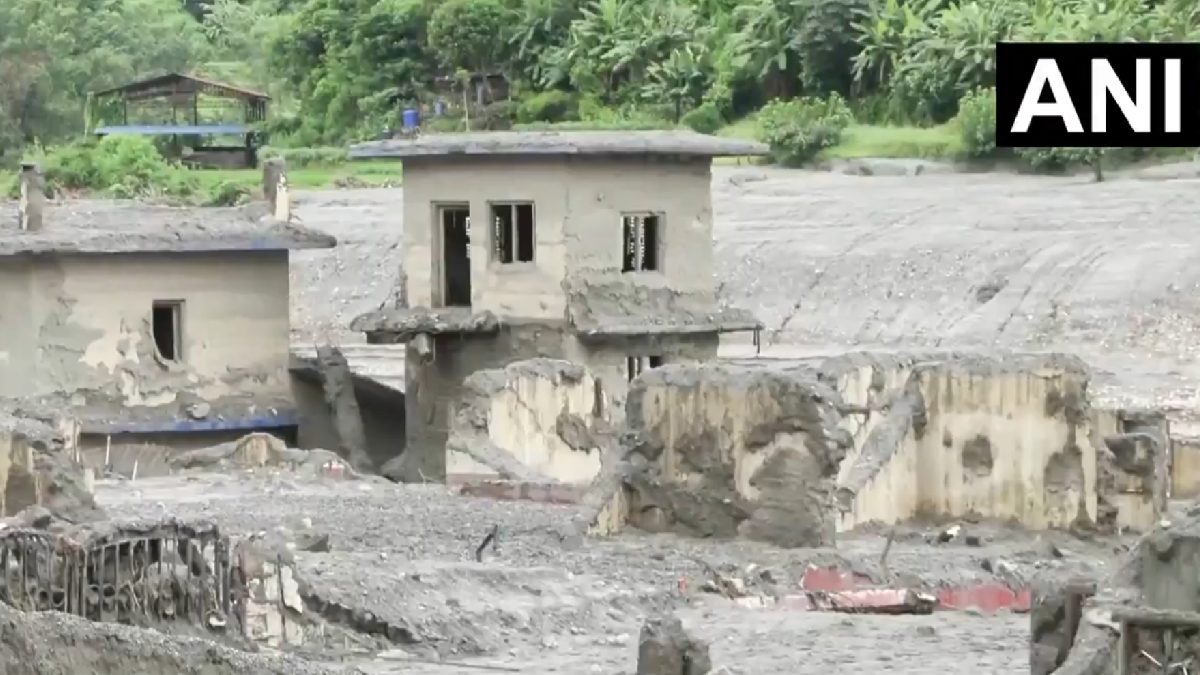
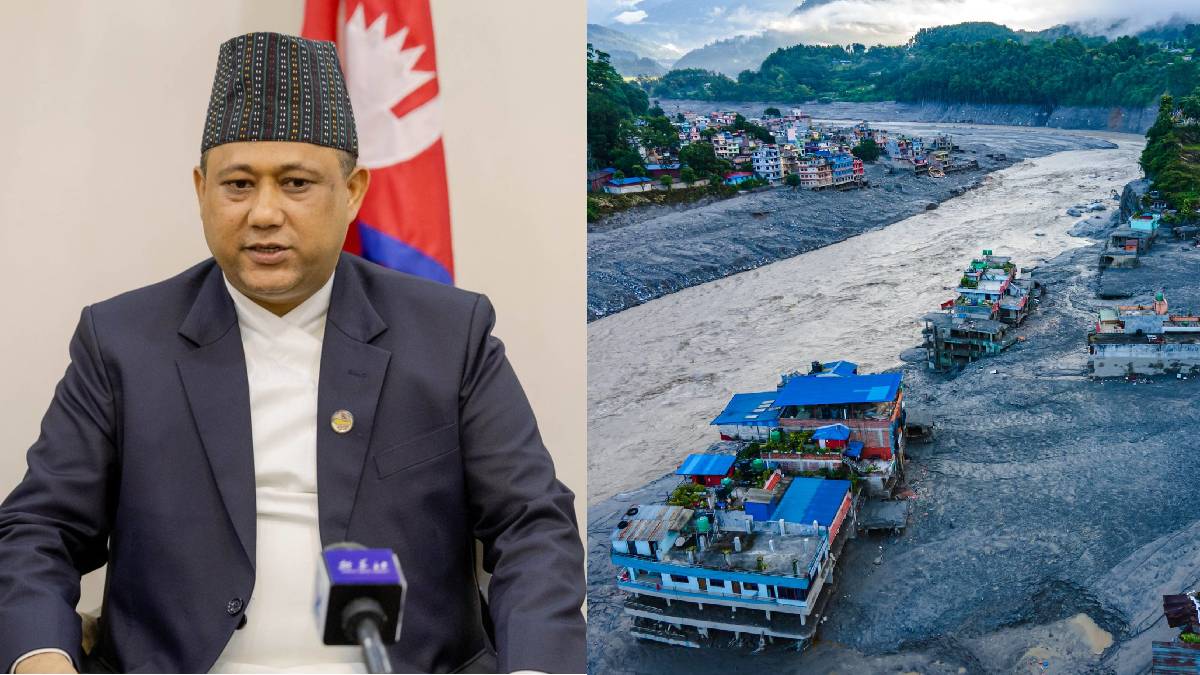
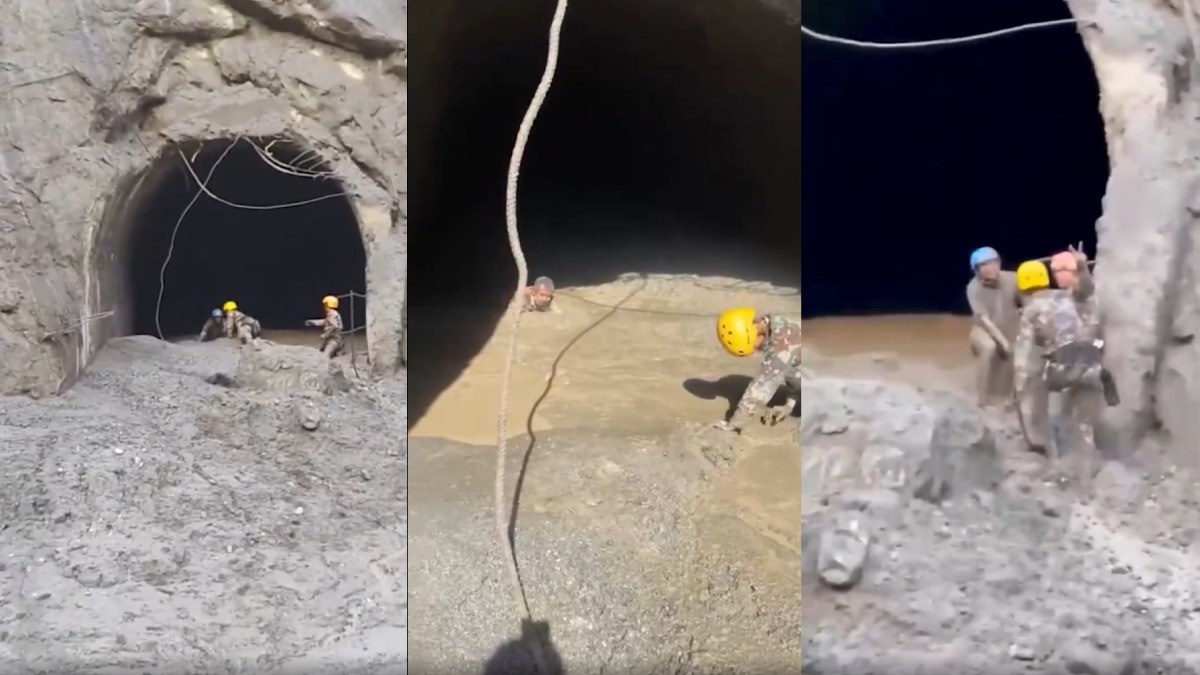
One month after the massive flash floods that hit Nepal’s northern border region on August 26, families of missing people are still holding on to hope that their loved ones are not lost.
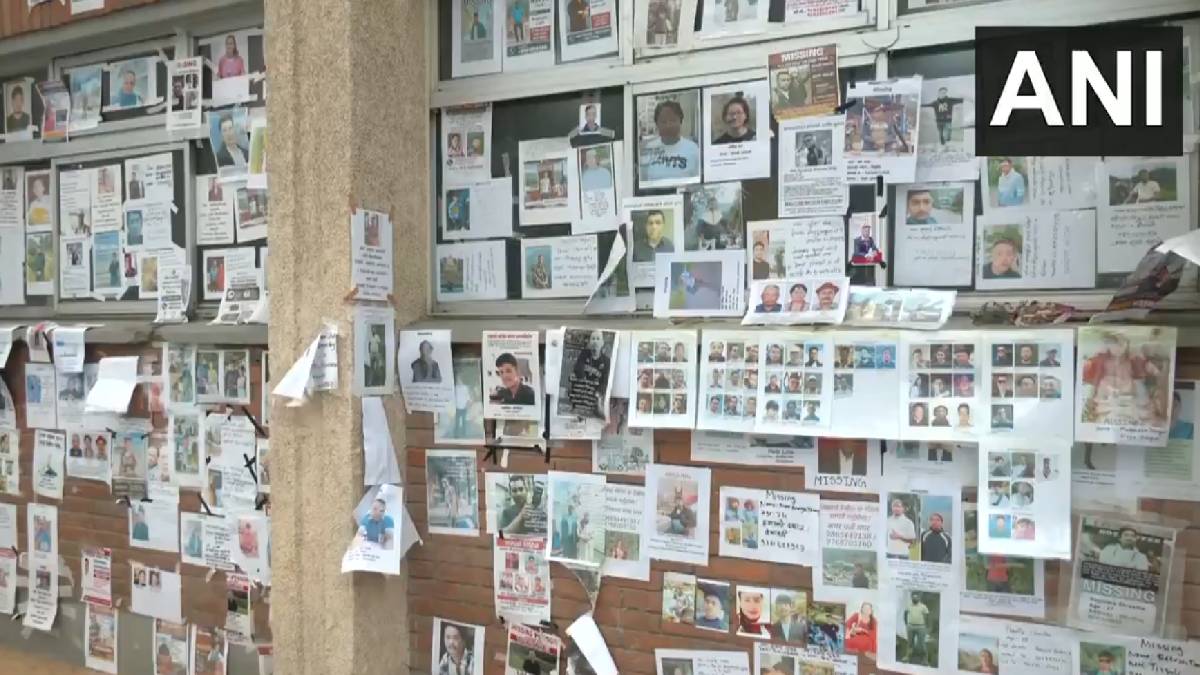
In Kathmandu, photographs of missing people still line the walls outside Tribhuvan University Teaching Hospital, which have come to be known as a “Wall of Hope” or “Wall of the Missing.” Family and friends of those who were displaced are in the hospital, and they scan photos and information to see if they can get a sense of what happened to those who went missing in the disaster.
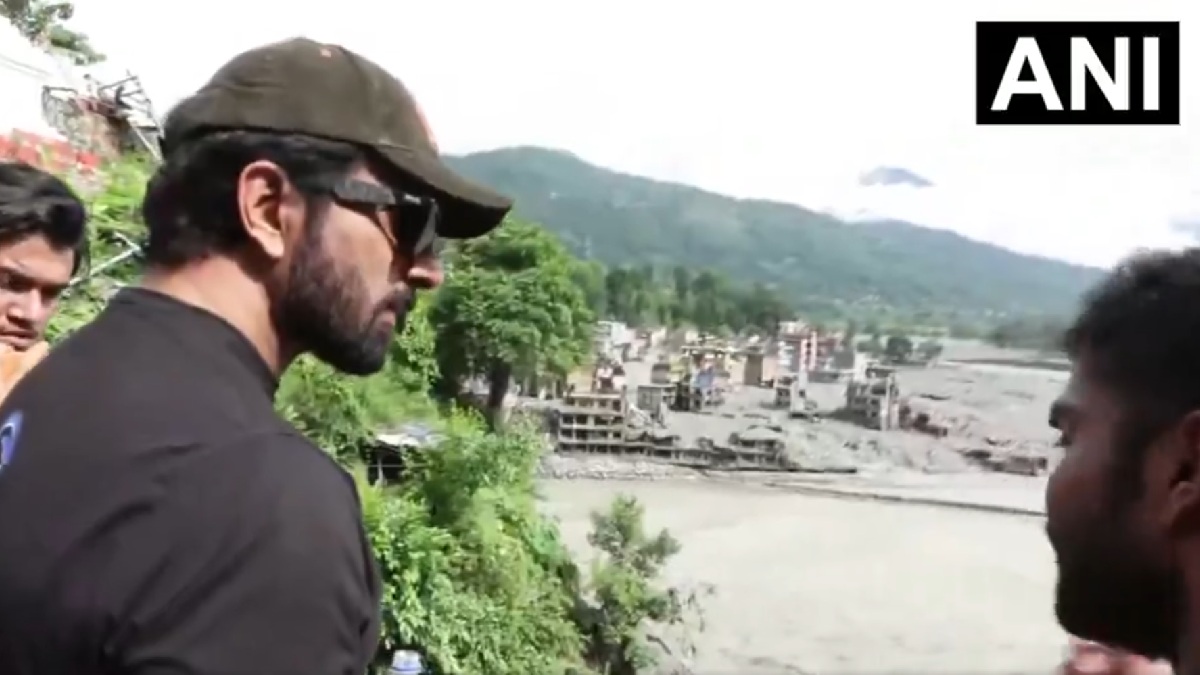
The August 26 floods struck the Bhote Koshi river system in Nepal’s Rasuwa region near the Tibet border before sending huge volumes of water, mud and debris downstream. The disaster damaged settlements, roads, bridges, markets and infrastructure in several districts and triggered a massive search-and-rescue operation.
The human toll has continued to rise as authorities recover bodies and update missing persons records. As of September 21, 2026, Nepal’s disaster authorities had estimated the death toll at 1,451 and 5,745 people missing, according to the Asian Disaster Reduction Center.
The numbers underscore the daunting nature of the identification challenge in Nepal. As of September 15, Radio Nepal reported that 1,399 bodies had been recovered, while 4,089 people were on the official missing-person list at that point. Partial remains were recovered, and DNA profiling was a key part of the identification process.
#WATCH | Kathmandu, Nepal: One month after the devastating August 26 flash floods, affected families and relatives still display photographs of their missing loved ones on the "Wall of Hope" outside the Tribhuvan University Teaching Hospital.
— ANI (@ANI) September 26, 2026
One month has passed since the… pic.twitter.com/ogKBK0nNE0
But for families, the statistics are individual stories of parents, children, spouses, siblings, relatives and friends who have yet to return home.
Tribhuvan University Teaching Hospital photographs became an important source of information for families in the immediate aftermath of the disaster. Reuters reported earlier in September that the wall was covered with photographs of missing people as well as images of unidentified bodies, with relatives visiting repeatedly in the hope of finding information.
The hospital was one of many places where families searched for information after the floods. Lists of survivors, deceased people and those who remained unaccounted for were posted as authorities searched for the identity and locations of people affected by the disaster.
The search has also involved forensic identification. Nepal’s government said DNA samples were being collected from recovered remains before temporary burial so families could potentially match them with missing relatives later. The government also said forensic experts from India had arrived to assist with DNA analysis.
The disaster has left communities in the affected Himalayan region with the aftermath of destroyed homes, damaged infrastructure and protracted uncertainty. Nepal’s security forces, medical staff and technical experts have been involved in search and rescue and relief operations, and international assistance has been provided for specialized rescue and forensic work.
One month later, the photos on the hospital wall remain more than mere notices. For families who come up with no answers, they are an ongoing search for information and a last connection to relatives whose whereabouts are unknown.
As Nepal comes back to life after the August 26 floods, the Wall of Hope in Kathmandu is also a manifestation of how the disaster’s effects are more than an immediate disaster. Thousands of families will not be able to say the crisis is over until they find out about their missing loved ones.