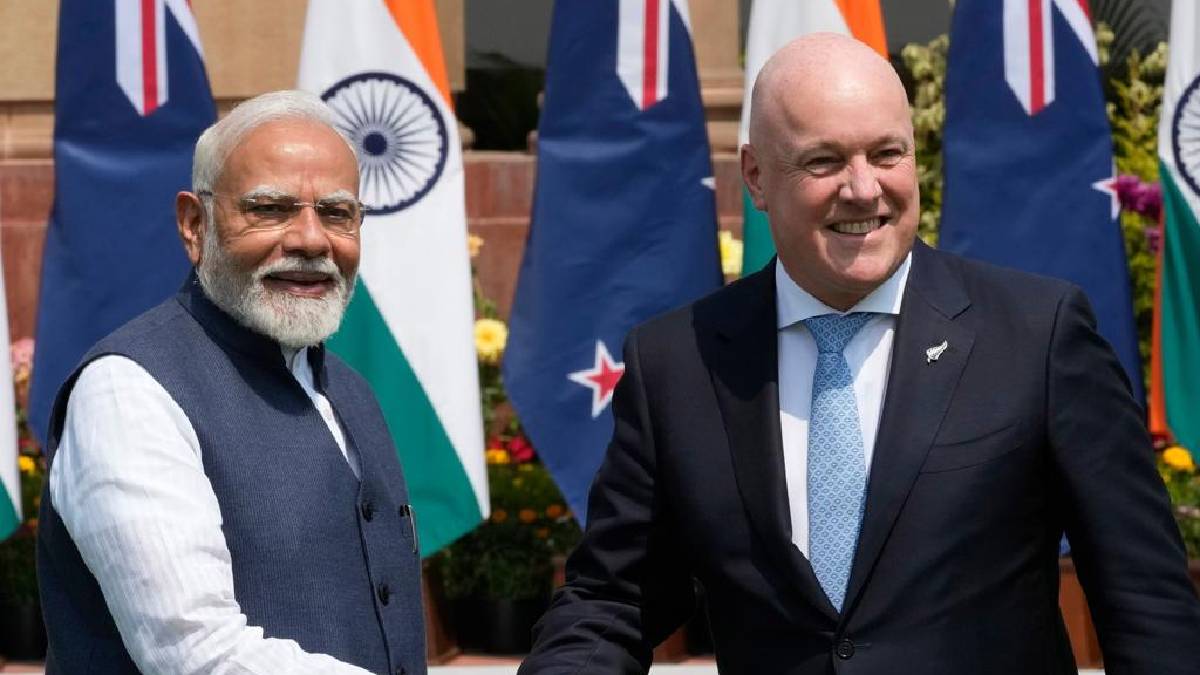
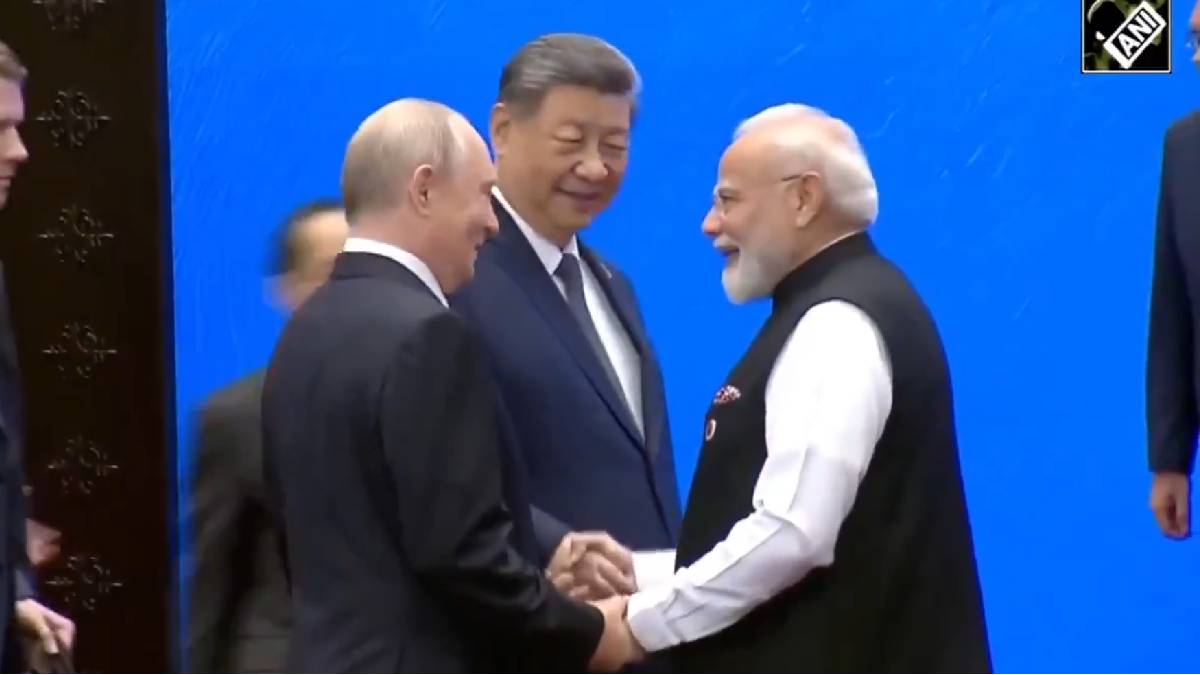
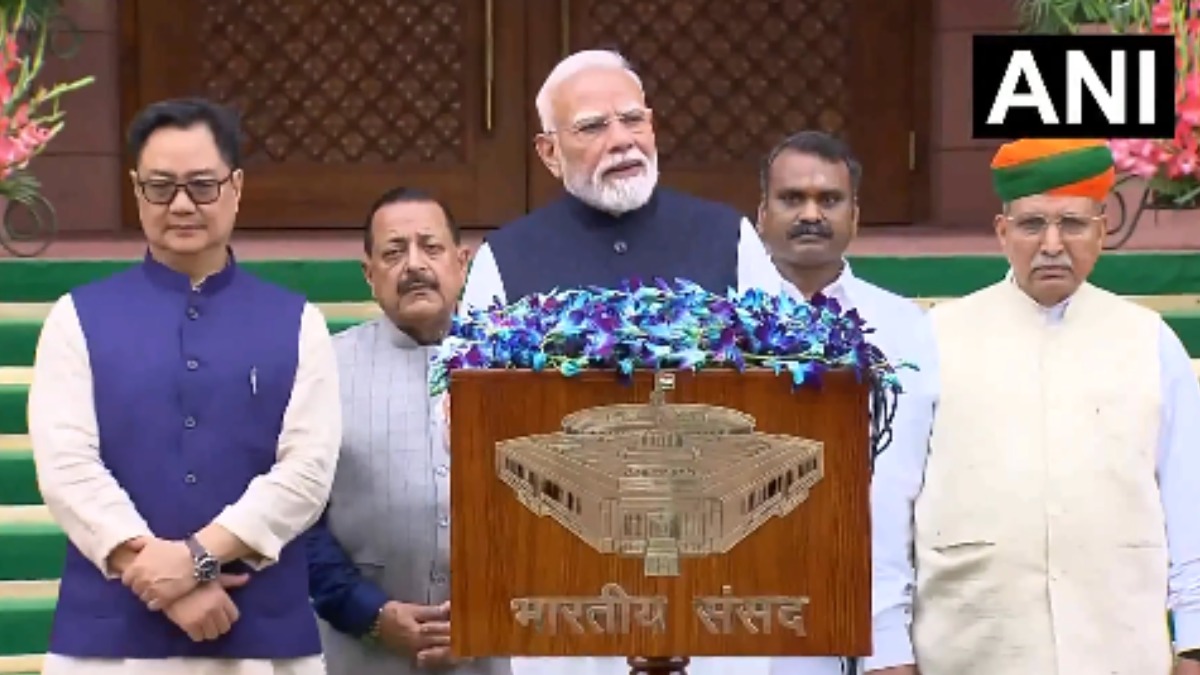
Narendra Modi on Thursday repeated India's call for dialogue and diplomacy to solve global conflicts and said that New Delhi is in favour of all efforts to bring wars to an early end. He was speaking in New Delhi for the first time in nearly a year with Belgian Prime Minister Bart De Wever, to the new chief executive. The conflict in Ukraine and West Asia is creating uncertainty in the world as well and that needs to be resolved peacefully, he said.
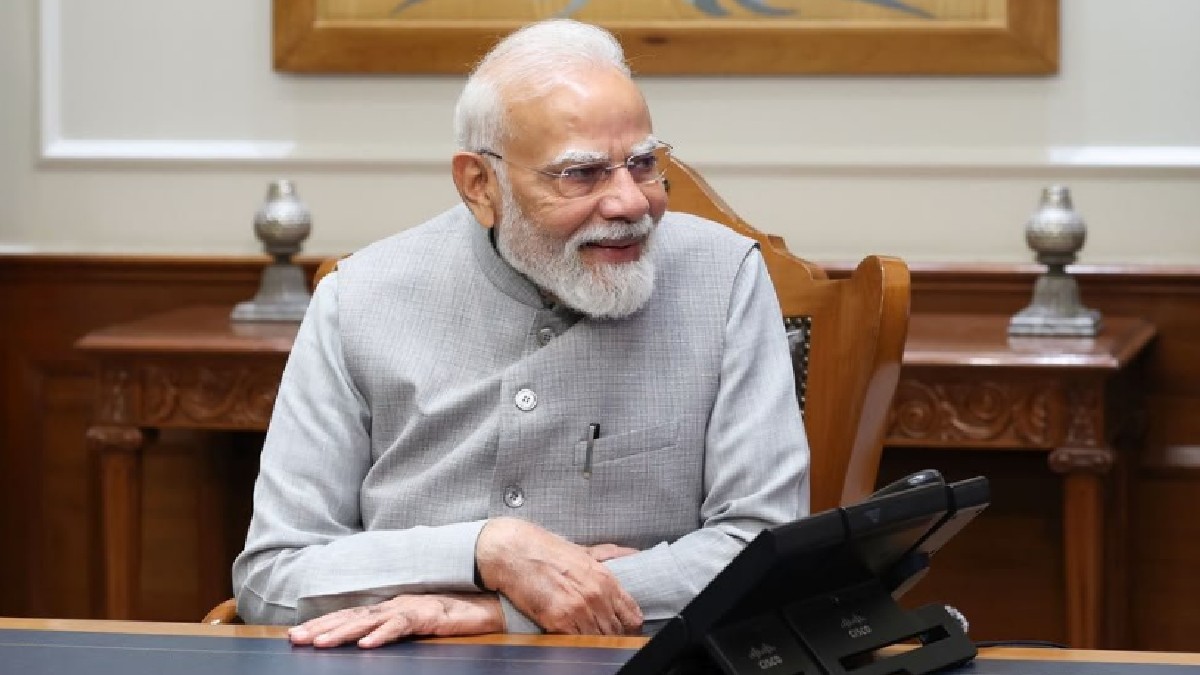
The Prime Minister’s comments come as he spoke at a joint press conference with the Belgian leader in which he had arrived in India earlier in the day for a three-day State visit. The two leaders spoke about bilateral cooperation as well as global events and international relations at large and ongoing conflicts, where conflict is still a key issue at the heart of the global diplomatic community.
And whether Ukraine or West Asia, we support all efforts for the early end of conflicts and for peace, Modi said, reaffirming India's consistent stance that dialogue is still crucial to solve complex geopolitical disputes.
India has always advocated diplomacy over long-term war. New Delhi has kept its relationships with the countries and blocs and has also stressed that national interests, international law and finding practical paths to peace are important.
The Russia-Ukraine conflict is still having consequences far beyond the battlefield. The war has affected global food supply and energy markets, trade routes and economic stability. India has also been communicating with both sides and has always been calling for dialogue and diplomacy as the best way forward.
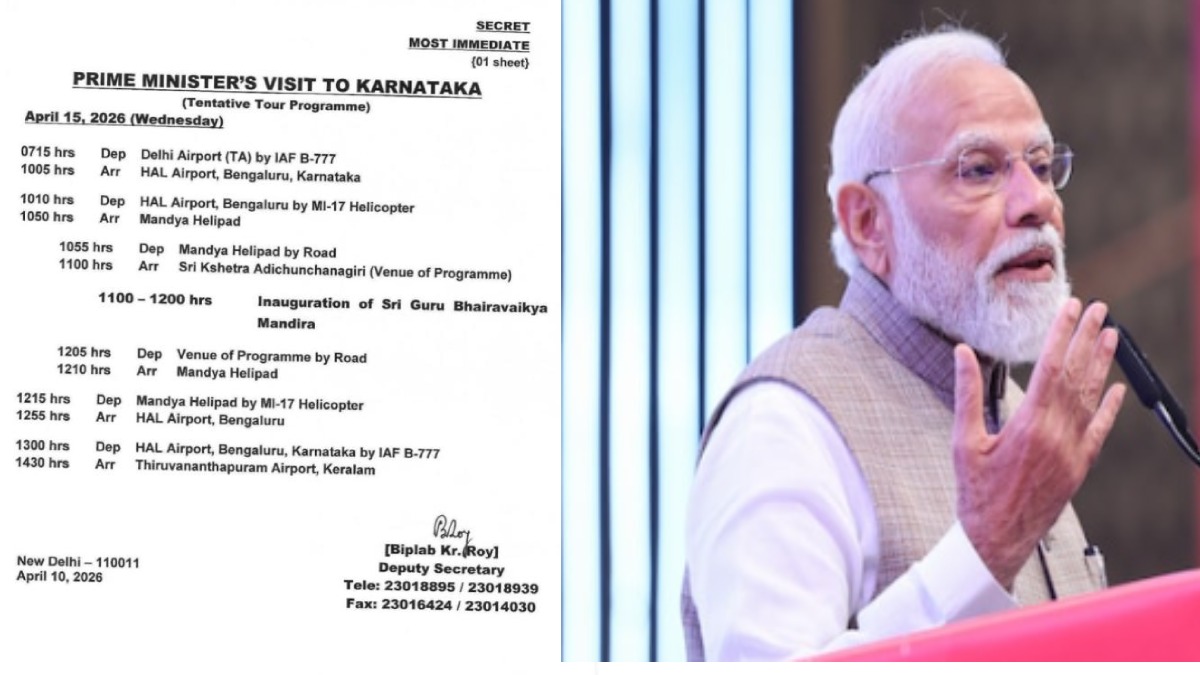
West Asia has also added uncertainty to the international picture. The Israel-Gaza conflict has already sparked huge humanitarian and geopolitical fears, and Iran-US tension has led to fears of a broader regional conflict.
The biggest worry of countries such as India is instability in global energy markets and shipping. The Strait of Hormuz is of course very important to the economy because it is a very important maritime route to transport oil and other energy resources. Any disruption in the region would have a direct bearing on the costs of fuel supplies, shipping prices, supply chains and inflation across society.
For India, the developments in West Asia are especially important as the country has extensive economic, energy and people-to-people links with the region. If the crisis lasts for much longer, energy security as well as trade and the welfare of Indian citizens living and working in West Asian countries will be affected.
With this in mind, Modi’s recent comments are a reflection of India’s preference for a diplomatic approach to international crises. Rather than endorsing the continuation of military warfare, from the start of the conflict, New Delhi has always encouraged the parties involved in these disputes to return to talks and find peace and to reach a peaceful solution.
The Prime Minister's statement also comes as India strives to strengthen its engagement with European partners. Belgium is an economic and political partner of India in Europe and De Wever's State visit would offer opportunities for both countries to discuss cooperation across several sectors.
The broader geopolitical situation will be the focus of international diplomacy over the next few months. Both Eastern Europe and West Asia are closely watching developments because long-term conflicts can cause havoc in energy markets, global trade and the world financial system.
India's position, as Modi has reiterated, is that an early end to the conflict should be the priority. The emphasis on dialogue and diplomacy is part of New Delhi’s bid to make peace so long as it knows long-term peace can’t be achieved just by means of war.
As global tensions continue to play out, India's diplomatic approach will be closely watched. Modi’s latest plea is consistent with New Delhi’s continuing support for efforts that can resolve conflicts, bring peace back and create conditions for negotiated solutions to some of the world’s most pressing conflicts.