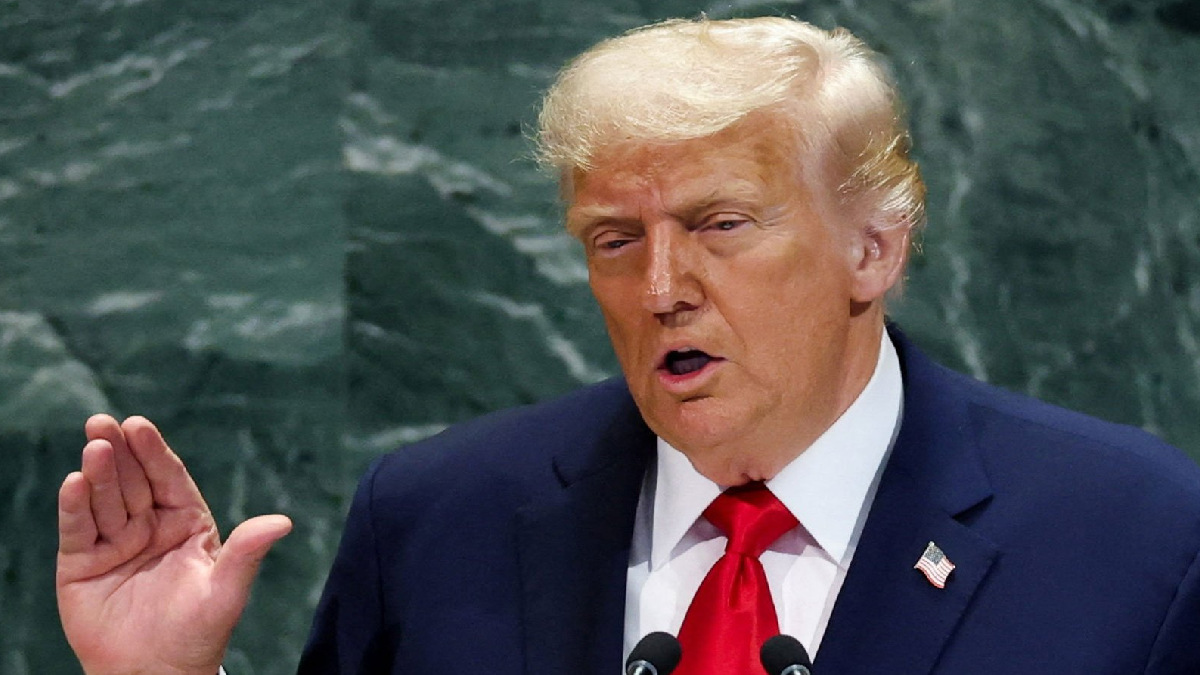
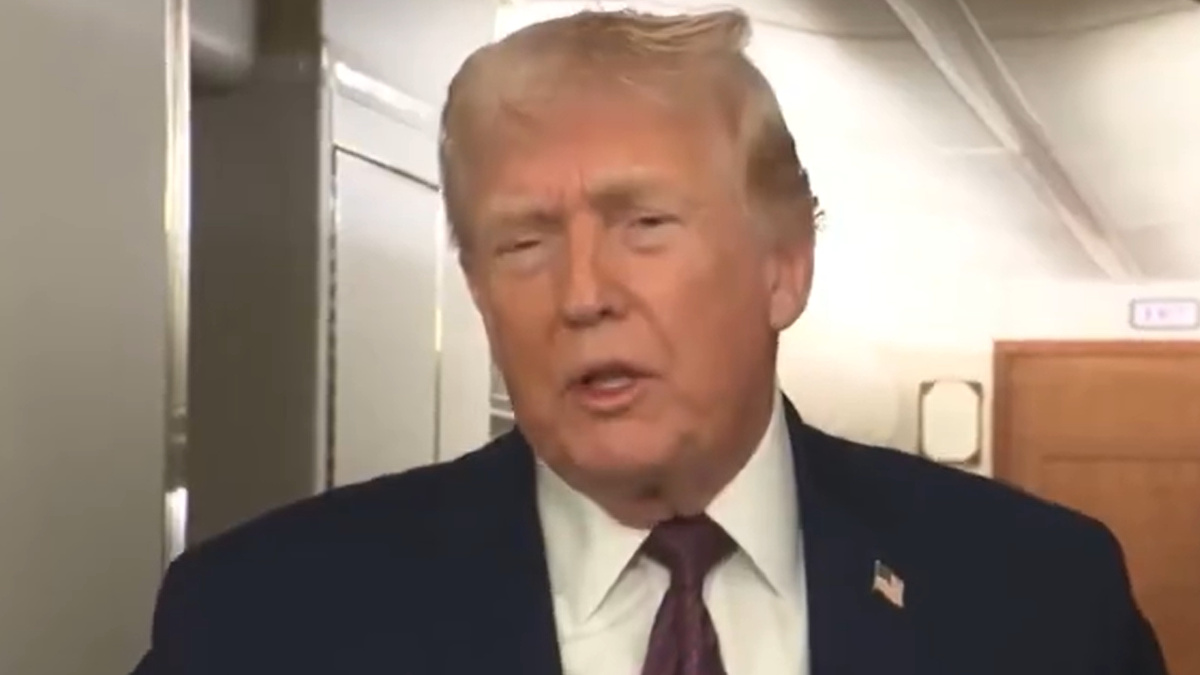
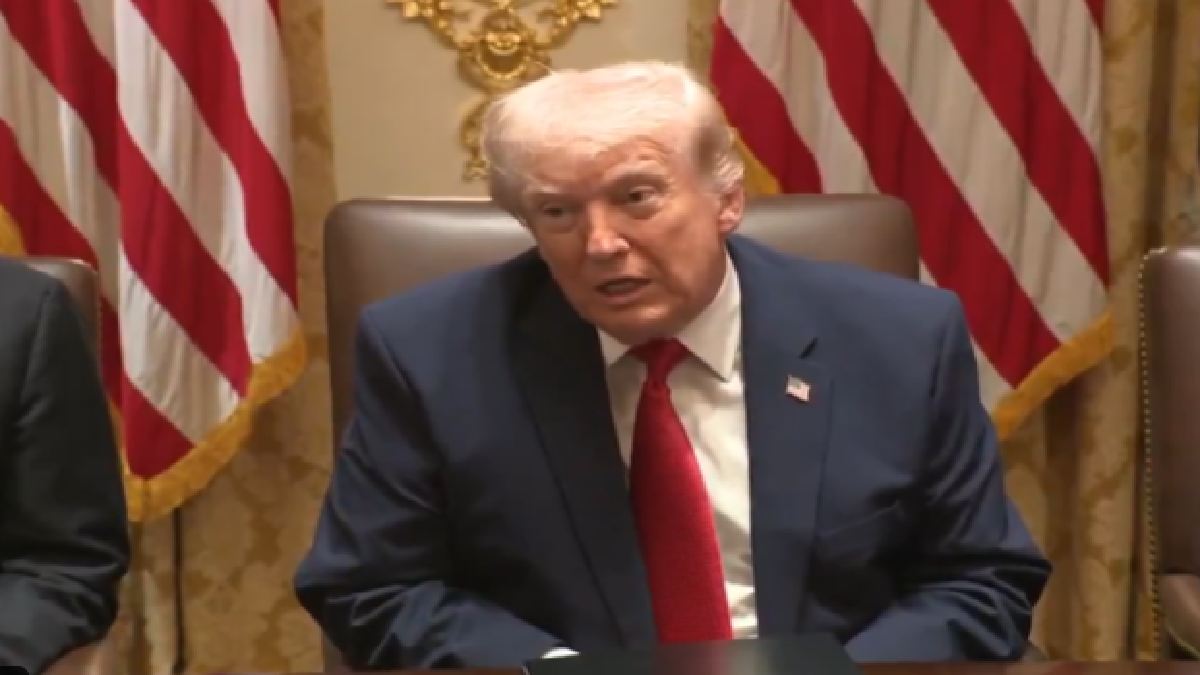
President Donald J. Trump signed a Presidential Memorandum to withdraw the United States from 66 international organizations. Those groups are no longer in the interest of the United States, and membership is an unnecessary burden on American resources. The move forms part of a broader “America First” policy of prioritization of sovereignty and national security over multilateral agreements.
35 out of 66 organizations are non-UN bodies; 31 are United Nations entities. Many of these institutions, officials have argued, duplicate efforts, don’t lead to meaningful results, or impose financial burdens that outweigh their benefits. By stepping back, the administration is trying to redirect scarce revenue and focus more on domestic priorities and bilateral partnerships that it deems will serve American interests more effectively.
The decision follows a longer-standing cycle of Trump’s foreign policy, which has repeatedly challenged the efficacy of global institutions. Past actions have involved reassessing contributions of the United States into international agreements and leaving some agreements.
This is the trajectory of the latest memorandum — a change in the United States’s relationship with the international community. Which has important implications for such withdrawal. From a financial standpoint, the U.S. may save millions in contributions. Diplomatically, though, the option would be seen as trying to pressure its allies who regard multilateral cooperation as something they need and think crucial in making a healthier planet. At home, supporters of the announcement say that it is protecting taxpayers and reinforcing national sovereignty, while critics fear a decline in global American role at home, their argument is different.
The United States' withdrawal from 66 international organizations is thus a major step forward, however: A policy of the world. With only 66 international organizations to which America's world view in the process now changing gradually, the future role America occupies as the world's main power will soon be redefined from where it has traditionally seen its departure as a necessary counterbalance between the United States, and thus international action and a necessity to safeguard America's interests as a responsible body to prevent this country and its sovereignty, but the American military establishment must come apart. The long-term impact on diplomacy and cooperation inside the international community remains to be seen.