Workers took to the streets at an Indian Oil Corporation Limited (IOCL) refinery, Panipat, Haryana to protest for fair and decent treatment with respect to their labor rights. Their requests are simple: cut hours from 12 to 8 and ensure salaries are paid 1st to 5th per month. The unrest has raised serious concerns around labour law violations and exploitation in one of India’s largest industrial clusters.
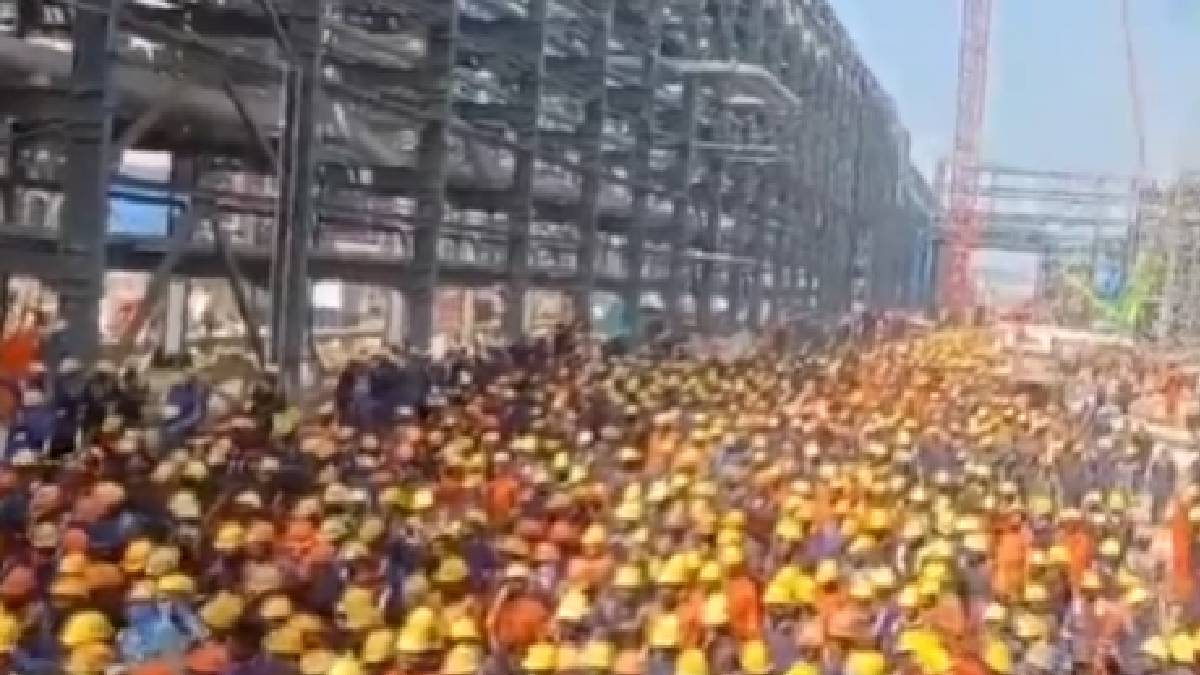
The workers say 12‑hour shifts are exhausting and against the spirit of labour laws, for protecting workers' health and dignity. They say hours should be kept down to 8 per day, just as they should be. Also, they insist on wages being paid in a timely manner: when it happens, the company sets its own timetable, and by that line can no longer afford those families struggling to live on the daily salary.
The workers add that they are not privileges, but basic rights. Before elections, promises of jobs and better working conditions are routinely made, but those commitments seldom follow through on the promise when the votes are counted, they point out.
The protest in the refinery escalated into clashes between workers and security forces. During the unrest, stone‑pelting, destruction of cars and law enforcement lathicharge were reported. Quick Response Teams and paramilitary forces were brought in to take charge.
After that incident, Panipat Deputy Commissioner Virender Dahiya facilitated a meeting with contractors. He warned them “you must stop taking advantage” of workers and that they must follow fair labour practices. The contractors also pledged to resolve several key demands: time-off at work, payment of funds as agreed.
The situation illustrates much larger problems with labor rights in India’s industry. Long hours of working without proper pay or rest can result in health issues, diminished productivity and dangerous working environments. Wages withheld are making exploitation even worse, as the workers are more helpless and exasperated.
It's a reminder, as we’ve been talking about this in class, that labour rights are, at bottom, rights that are not given from employers, they are rights and entitlements that are guaranteed from the very start by law. Workers are entitled to dignity, sufficient overtime and fair pay for their livelihood and wellbeing.
The Panipat refinery protest illustrates the urgent need for better enforcement of labour laws and increased accountability by employers. As officials have promised to meet the workers’ demands, the incident is consistent with the broader battle for fairness of India’s employment market. Getting quality wages and proper working hours for employees is crucial for the dignity of workers and the stability and productivity of industries in which they depend.