Charles Spencer’s memoir of his sister Princess Diana has brought up one of the most complex questions of personal storytelling: who gets to hold a private memory after the person who initiated it has died? In his text, "Swan Song: Diana, My Sister", he’s looking back at Diana’s life, family relationships and the tragic time around her death in 1997 and it’s started a debate about privacy, memory and consent as well.
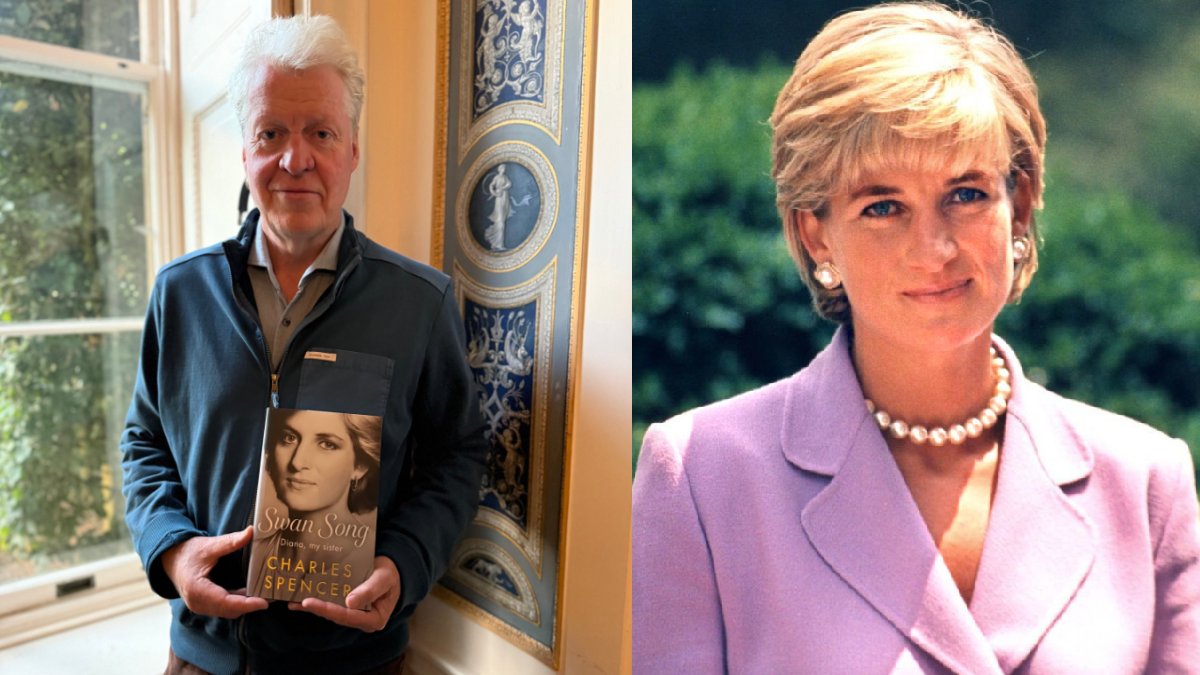
The memoir, published on September 22, is Spencer’s very personal account of the relationship with Diana and her life and its impact on him. Penguin has referred to it as the first time Spencer has written so openly and extensively about his sister. While readers may come to the memoir because they are interested in Diana, there are also memories that its recollections have also reminded us of the difficulties that can be involved when a writer writes about people who can no longer respond.
One of the most discussed elements of the book is Spencer’s recall of a conversation with then Prince Charles about Diana’s funeral arrangements. Charles had said that Diana would eventually be forgotten, Spencer recalls. The recollection has been challenged by Buckingham Palace, warning that grief might affect memory. Spencer, though, has said he does not disagree.
The dispute demonstrates why memoir is different from biography or historical documentation. The memoir is about an individual’s memories, feelings and interpretation of it. And even if the author believes that a memory is real, other people who have been there may not remember the same thing differently. But once that memory appears in a commercial book, it can be part of the public record in the eyes of readers.
Diana’s incredible public profile makes the matter even more challenging. And almost three decades after her death, details of her family life continue to be the subject of intense interest. Her relationships, friendships, marriage, struggles and private conversations have been discussed in books, documentaries and television productions. Spencer’s memoir is therefore just one more piece in an already extensive narrative of a woman whose life was so intensely examined at the time of her death.
The circumstances surrounding Diana’s memoir’s release have also served to illustrate the continuing interest in Diana’s personal story. Four advance copies of "Swan Song" were stolen from a delivery truck in the Netherlands before publication. The incident added another unusual layer to the book’s release and showed how much Diana’s story is still quite significant commercially and culturally.
But the bigger question is not whether a particular recollection is accurate. It’s whether the death of a person changes the ethical boundaries around sharing their private experiences. From a legal standpoint, this is different from what is available to the living person. UK GDPR is not applicable to deceased persons, but deceased individuals’ information can still carry with it confidentiality obligations and the privacy of the living person.
That distinction is particularly important for family memoirs. A writer cannot always separate their own story from the lives of relatives, friends or partners. Family relationships are based on shared experiences so personal memories can involve many people at once. If writers had to get approval from everyone mentioned in a memoir, many deeply personal accounts would never reach readers.
At the same time, the absence of the person being remembered brings about a particular imbalance. Diana cannot clarify a dispute, challenge one interpretation or express what she wanted to say in that moment. That does not mean all of that private information should go unpublished, but it does ask how writers should handle sensitive information concerning people who can’t say their own thing.
Always an amazing moment for an author to receive a printed copy of their new book for the first time - particularly on this occasion, with ‘Swan Song’ being my most personal work by some distance. At the end of the day, it’s a brother’s tribute to an extraordinary sister. pic.twitter.com/XBG2ZHmEhg
— Charles Spencer (@cspencer1508) September 11, 2026
Memoir therefore exists between personal ownership and shared history. Spencer is writing about his own experiences, but those experiences are tied up with Diana and other members of the royal family themselves. His memories are his personal history and the people in them have their own minds; that may not always be his.
The conversation about "Swan Song: Diana, My Sister" is not limited to the British royal family. It is a broader question for anyone who writes about real people: when does telling one’s truth become the public disclosure of someone else’s private life?
There may be no easy answer. Memoir depends on honesty, but honesty can coexist with imperfect memory. Privacy does not disappear simply because someone has died, particularly when living relatives and friends are still connected to the events being described. At the same time, historical and personal storytelling would be nearly nonexistent if writers could only publish memories that everyone involved had approved.
Charles Spencer’s memoir has thus opened a debate that goes further than Diana. It asks readers to think about what can be remembered and published and the extent of responsibility for speaking for someone who cannot speak for themselves. And the very most difficult question is not whether the dead have an absolute right to privacy, but, rather, whether their inability to object should encourage greater freedom in storytelling or more restraint.