Pumas are often seen as very elusive predators of the wild but their presence is also giving an unexpected advantage to human communities.
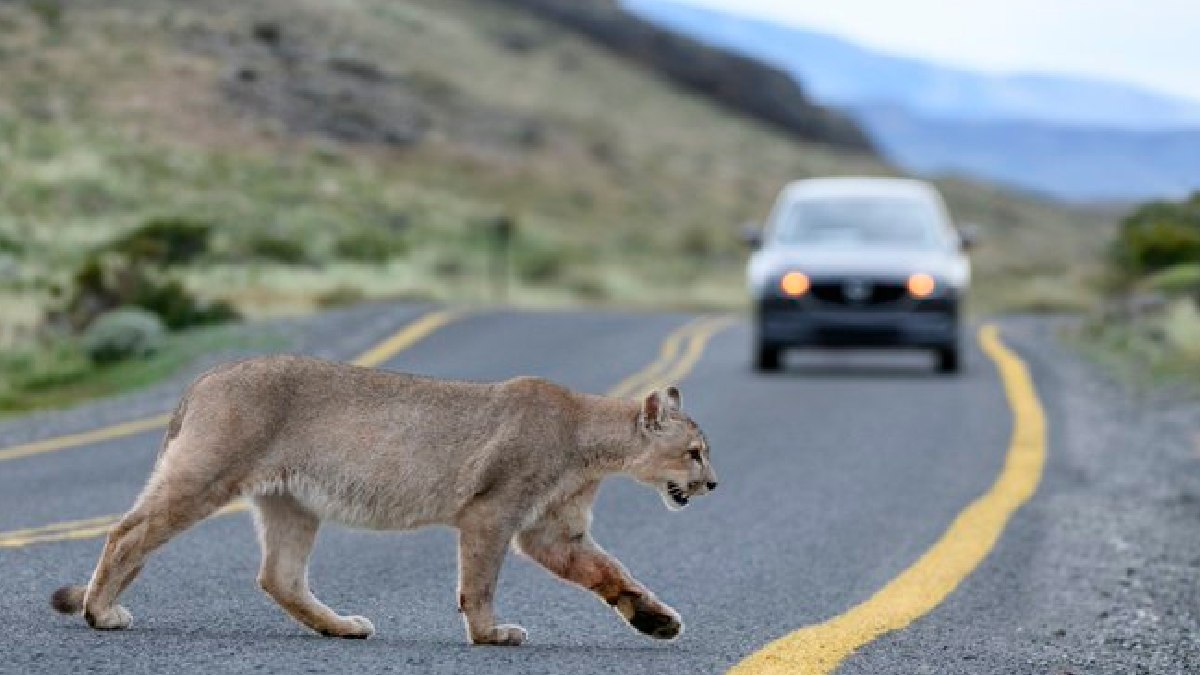
Wildlife movement and road safety research indicates that protecting pumas and providing safer routes for them can reduce vehicle accidents by a factor of 76%, and some areas have seen a 76% reduction.
The roads that run through forests and other natural habitats are a major challenge for wildlife. Animals cross the road to access feeding sites, water sources, breeding areas and other areas of their habitat. Animals and people sharing the same space may be deadly for both animals and people.
Pumas, which need large territories and travel long distances, are especially vulnerable to roads. One road can divide their habitat and force them to cross busy highways.
Animals may be killed in such crossings and those vehicles involved in the crashes can be very serious.
One of the most effective solutions is wildlife crossings. Underpasses, overpasses and specially designed corridors can be built to connect animals between fragmented habitats.
The 76% decrease in vehicle collisions is a sign that such measures can be effective. Wildlife crossings reduce the likelihood of sudden encounters between vehicles and animals.
The advantages are not limited to protecting pumas; wildlife crossings can benefit species like deer and other mammals that frequently cross the road. Lower wildlife-vehicle collisions mean less serious roadside crashes with animals and also better road safety for drivers and passengers and less damage to vehicles and the cost of crashes.
Puma conservation is also ecologically important. As large carnivores, pumas have the role to play in maintaining balance in ecosystems.
They can influence prey numbers and enhance natural habitats. Their efforts ensure that pumas are free to roam, which is good for animals and the ecosystems they live in.
The success of wildlife crossings shows that conservation and road safety don’t necessarily have to compete. Well planned infrastructure can be used to protect biodiversity and road safety.
Experts and conservation groups are stressing that wildlife movement corridors need to be identified before building or expanding highways.
Tracking animal movements can be used to see where crossings are most urgently needed.
The 76 percent decrease in accidents is another stark reminder that even relatively targeted conservation measures can have positive implications far beyond wildlife protection. Wildlife-oriented roads can be good for animals and safer for all.
Pumas may not even realize that the corridors designed for them are also safeguarding motorists.
But their ability to ply their way through the natural world could save lives and create a better balance between modern infrastructure and the natural world.