Scientists have made their greatest breakthrough in HIV research with a method for reprogramming the human immune system to produce antibodies against HIV with a single injection. The breakthrough has encouraged investigators to hope that new approaches to the disease can be developed to stop and treat one of the most difficult infectious diseases in the world.
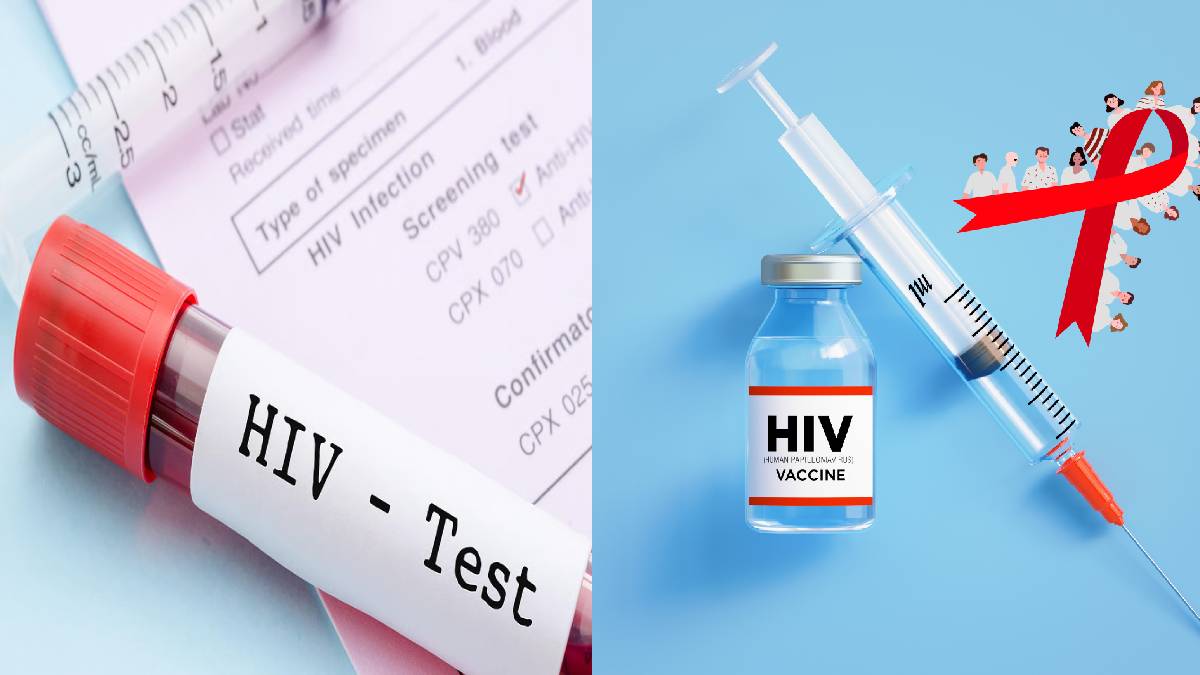
The experimental method is designed to direct immune cells into producing broadly neutralizing antibodies (bNAbs) that recognize and block many HIV strains. Unlike conventional vaccines, which directly stimulate the immune system to produce antibodies naturally, this approach directly instructs immune cells to produce protective antibodies.
HIV broadly neutralizing antibodies have long been considered one of the most promising tools in HIV research because HIV mutates so rapidly that traditional vaccines are unable to provide long-lasting protection. These formidable antibodies target a small portion of the virus that is relatively stable in different HIV variants, and therefore neutralize all types of HIV strains.
The new approach is to deliver genetic instructions within a single injection, and the researchers say this will allow immune cells to keep generating HIV-targeting antibodies for a long time. If subsequent studies confirm the efficacy and safety of the technique, we believe the method can be used to prevent repeated antibody infusions or frequent preventive therapy for chronic treatment.
The development is a significant step forward in the rapidly developing world of gene-based medicine, where genetic technologies are increasingly used to treat diseases that modify or directing the body’s own biological processes. In cancer, rare genetic disorders, and autoimmune diseases, similar approaches are being explored.
The results are encouraging, but scientists stress that the research is still in its experimental stages. More laboratory studies and clinical trials in humans are needed to assess long-term safety, durability, optimal dosing, and effectiveness before the treatment starts to become widely available.
This is a promising breakthrough; however, it is by no means a cure for HIV. It is a potential breakthrough that allows the immune system to be better able to fight the virus.
HIV continues to affect millions of people worldwide, and campaigns are ongoing to prevent early diagnosis and lifelong antiretroviral therapy (ART). Modern HIV treatments have significantly improved life expectancy, but researchers are still working to find vaccines, long-lasting preventive therapies, and a cure.
The ability to reprogram immune cells with a single injection might have implications for other diseases beyond HIV. Scientists think similar technologies will eventually be applied to other infectious diseases or even cancer by directing the immune system to produce disease-specific antibodies.
Research into advanced therapies that were previously impossible has been propelled by advances in biotechnology, messenger RNA (mRNA), viral vector delivery systems, and gene editing. These latest results highlight the way precision medicine is changing healthcare by delivering targeted treatments to the biological mechanisms that drive it.
If the technology is successful in the future, this approach could represent one of the most important advances in HIV prevention and immunotherapy in decades. The next generation of genetic medicines would eventually help to decrease the global burden of HIV and improve the lives of millions of people worldwide, and yet much work remains ahead of us.