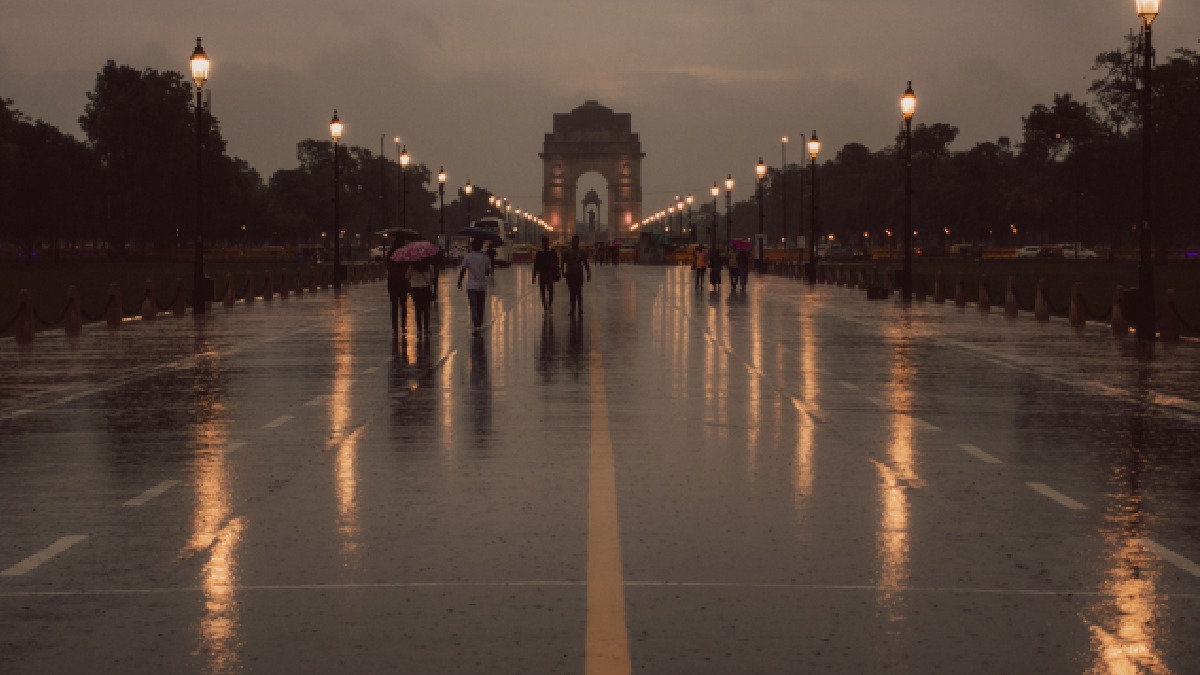
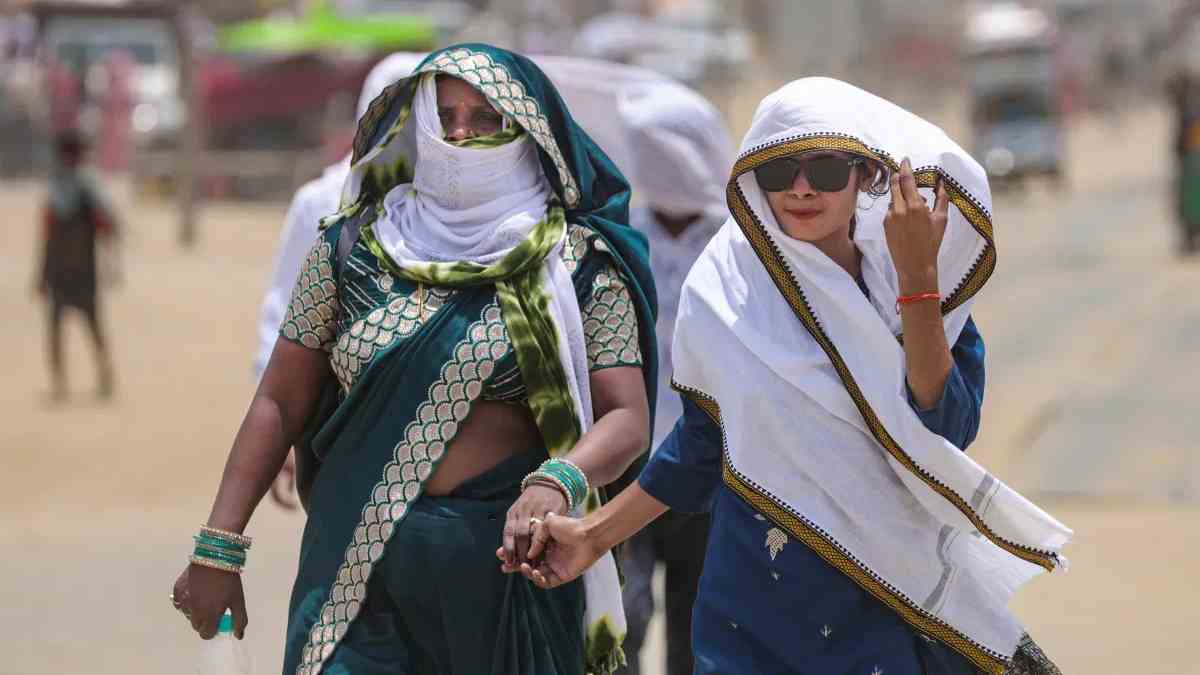
Delhi got its warmest July day and night in two years today with temperatures well above seasonal averages and the heat index hitting a scorching 48°C, according to the India Meteorological Department (IMD).
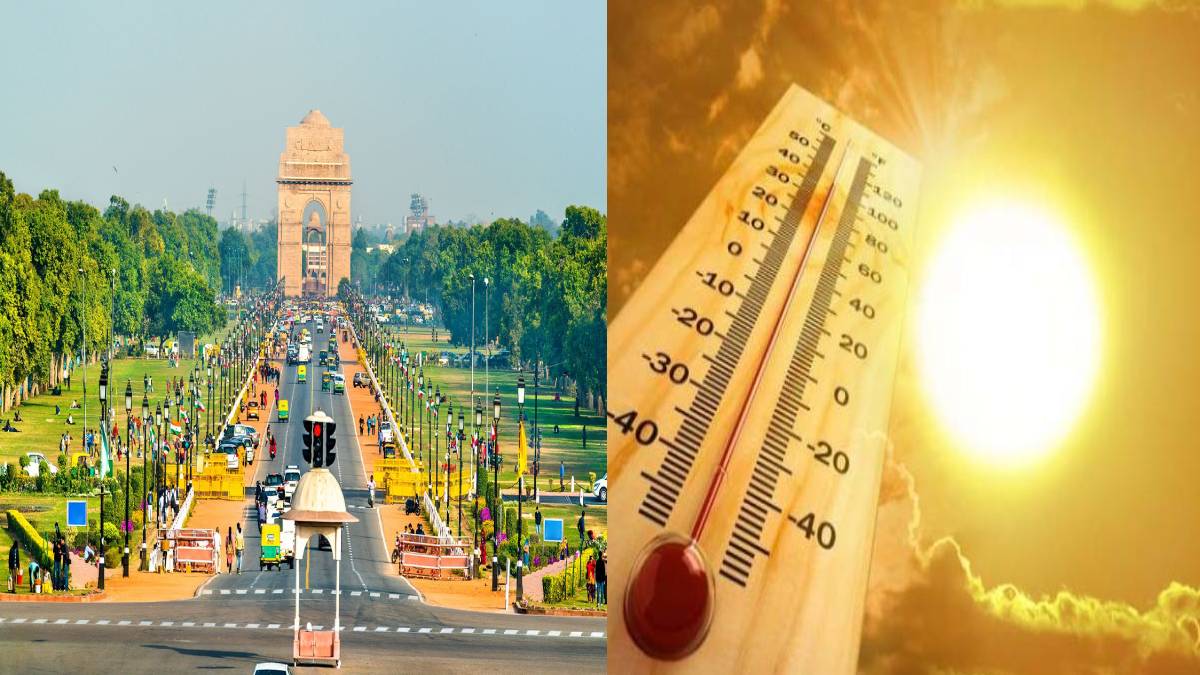
The hot and humid weather in the national capital had created oppressive weather conditions that made the air feel much hotter than the actual temperature. The heat index, also known as “feels-like” temperature, is a measure of the heat of the weather at the skin temperature to humans and relative humidity.
Meteorologists explained that while temperatures were above normal for this time of year, the high moisture content of the atmosphere led to extreme discomfort, and the temperature reached 48°C during the heat index in several areas of the city.
July is typically characterized by monsoon activity and, therefore, mild temperatures. But the frequent breaks in rainfall and high humidity can lead to extreme heat stress in densely populated areas like Delhi.
The IMD reported that such weather conditions can increase the risk of heat-related illnesses in children, older people, outdoor workers, and people with health conditions who are at highest risk. Residents are advised to keep hydrated, avoid exposure to direct sun during peak afternoon hours, wear light-colored clothing, and be in a well-ventilated or air-conditioned environment whenever possible.
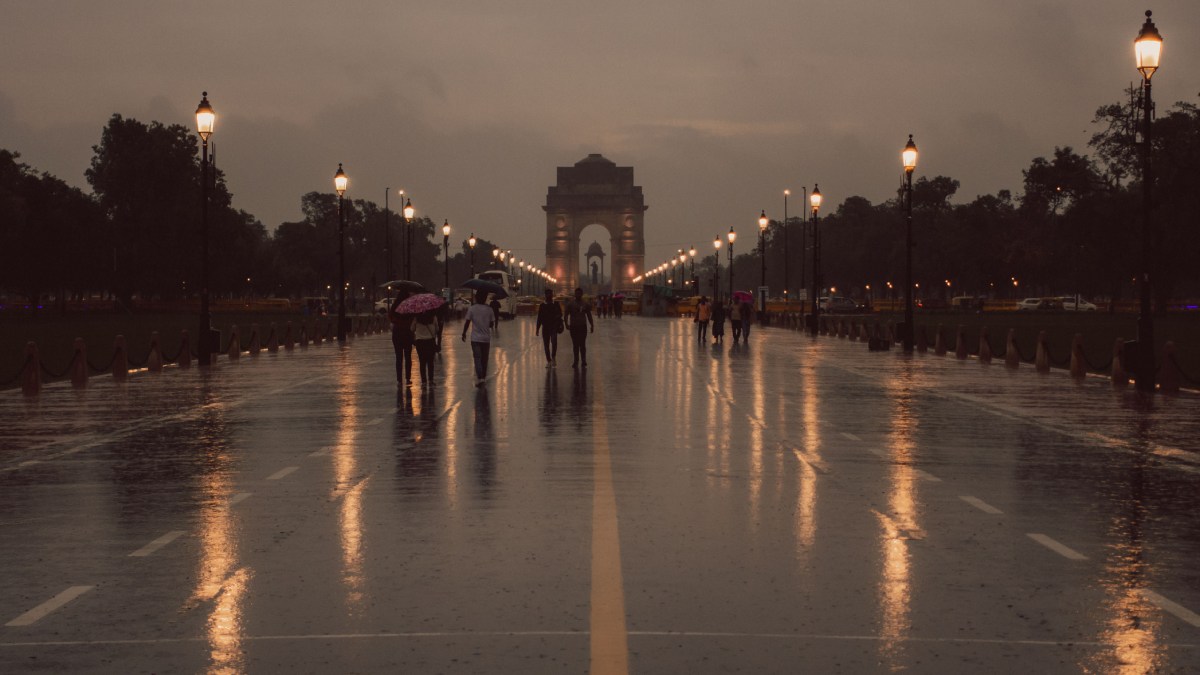
The high heat index also puts additional pressure on electricity demand as people and businesses use more air conditioners and cooling appliances during the day. Utility providers are usually at peak power consumption during this time period, especially when high temperatures linger overnight.
Warm nights are particularly challenging as they hinder the human body’s ability to recover from the heat in the morning when it is so hot. The cumulative effect of heat exposure at night increases the risk of health problems and leads to poorer sleep quality for most residents.
Urban heat island effects are just as acute in urban areas like Delhi. Concrete buildings, asphalt roads, and minimal green spaces absorb and retain heat during the day and then release it slowly at night, resulting in higher nighttime temperatures than in the surrounding rural areas.
Climate scientists have noticed that many cities are experiencing more and more intense heat events. While on its own, climate change can’t be said to be responsible for individual weather events, warming global temperatures are more likely to bring long-term heatwaves and extreme heat conditions in many regions.
The IMD continues to follow weather patterns across northern India on a daily basis and has advised residents to keep updated through official forecasts and advisories. Changes in monsoon activity or rainfall distribution could affect temperatures and provide temporary relief from the heat.
Experts stress the importance of public awareness, heat action plans, and adequate hydration in Delhi’s situation. Residents of Delhi are encouraged to take precautions to avoid health problems as we are in the middle of another spell of extreme weather, with temperatures and humidity levels still above normal. Necessary precautions should be taken until weather conditions improve.