Six Indians are among 10 crew members aboard a Cameroon-flagged cargo ship hijacked by pirates off the coast of Somalia’s Puntland region earlier this week. The development has raised fresh concerns over maritime security in waters that have historically been associated with piracy and armed attacks on commercial vessels.
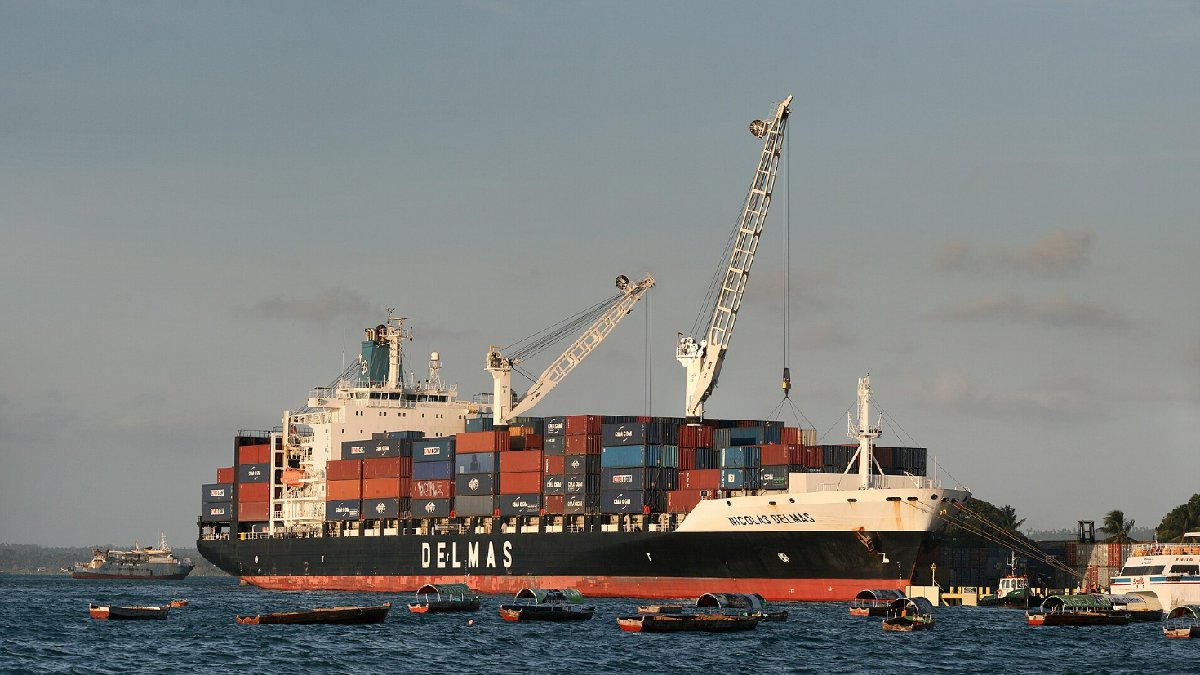
A Somali official confirmed the presence of the Indian nationals on Thursday, August 20, 2026. The vessel was carrying a mixed international crew when it was seized off Puntland, the official said. The 10-member crew, which included six Indian nationals, one Turkish national, one Georgian national, and two Serbian security guards, was reported to have the following details:
The identity of the crew members and current condition of the crew was also a very big concern after the reported hijacking. Maritime security agencies are expected to look for the vessel's location and the safety of all of them on board. There were no details provided on whether any crew members were injured or if the pirates had made demands.
Polar Movement Shipping owns the ship and was carrying a loaded cargo with weapons to a Turkish military training facility in Mogadishu. The ship was also carrying communications equipment and satellite-related equipment. The cargo also adds to the complexity of the incident as it likely holds military and communications material.
The seizure comes against increased international attention on piracy risks in the Horn of Africa. Somalia’s long coastline and its proximity to major international shipping routes have long made it a strategic shipping route for commercial shipping between Asia, the Middle East, and Europe. Although international naval patrols and improved maritime security measures have largely suppressed large-scale Somali piracy over the years, occasional incidents have continued to worry shipping companies and governments.
Puntland is in northeastern Somalia and has long been associated with pirate networks along Somalia’s coastline. The coastline and remote areas are so far beyond the control of the authorities that it is difficult to eradicate maritime criminal activity completely. Therefore, the current incident should serve as a wake-up call to the security arrangements of the vessels operating in and around Somalia.
The presence of six Indian nationals is of particular importance to India, as Indian seafarers constitute a significant proportion of the global maritime workforce. Indian authorities regularly monitor incidents in which Indian crew members are overseas and work with international partners to take part in maritime emergencies or security incidents.
The composition of the crew also shows how international commercial shipping is today. A single vessel can carry crew members from different countries and operate under a flag from a different country and ship cargo from another country. Any hijacking that would take place on such a vessel would need to be coordinated with a number of countries and maritime agencies.
The two Serbian security guards on board are also interesting because private security personnel are sometimes employed on commercial ships that are in piracy-prone areas. Their presence is another indication of the continued security measures taken by shipping companies to protect ships and crews from attack. But the hijacking shows the problems that are only going to get worse in the absence of security measures.
If the six Indian crew members and others aboard the vessel are safe, all that will be at the top of their minds now. Information about the nature of the attack, including how the pirates approached the ship and whether the crew was able to issue an emergency alert, would be crucial to authorities’ investigation of the incident.
The reported destination of the cargo is also particularly sensitive. Weapons, communications systems, and satellite equipment have significant military and strategic value. So authorities will have to balance protecting the crew with the security considerations of the cargo being transported.
We expect that there will be more developments as Somali authorities, the countries whose nationals are involved, and maritime security agencies gather more details about the hijacking. More worrying about the protection of commercial shipping around Somalia and the dangers for seafarers working in areas of piracy.
For now, the safety of the 10-member crew is the key concern. Six Indians are believed to be aboard. A few days ago, the incident was also being closely watched in India as authorities were trying to get more information about the crew, the hijacked vessel, and the possible release of Indian nationals.