The island of Saipan is currently facing the full force of Super Typhoon Sinlaku, as strong winds and heavy rain battered the region through the afternoon, with conditions expected to worsen significantly after nightfall.
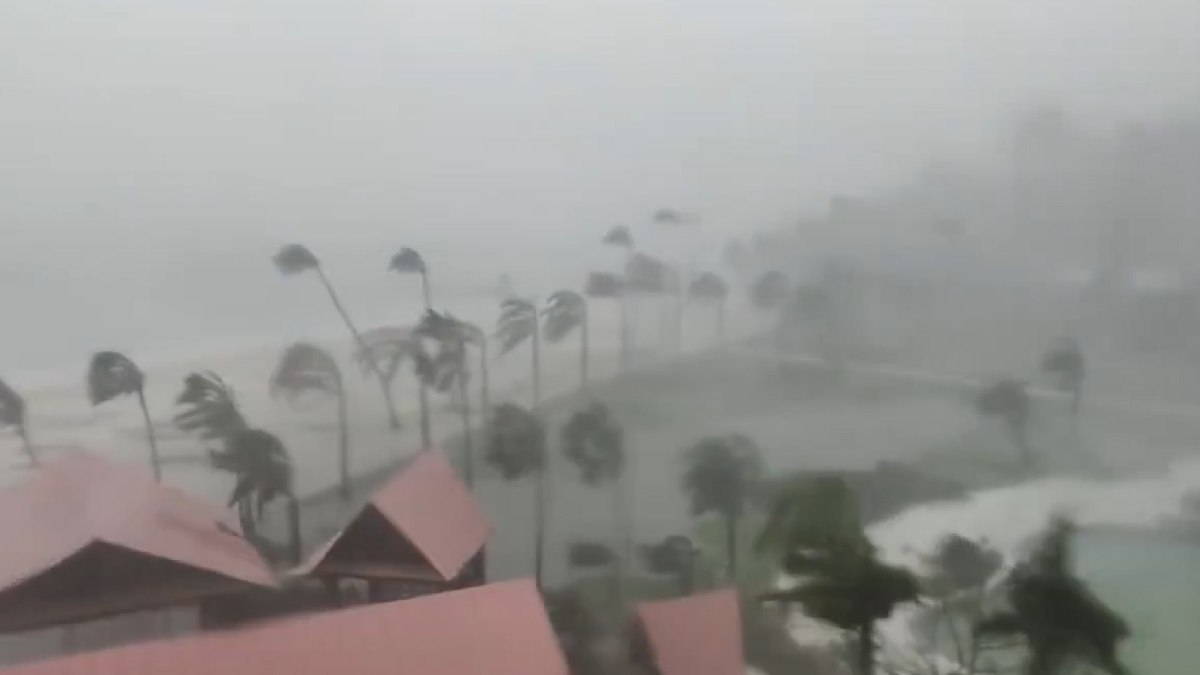
Residents reported increasingly intense weather conditions throughout the day, with powerful wind gusts and relentless rainfall disrupting normal life across the island. Authorities had already issued warnings urging people to stay indoors and take shelter, as the approaching typhoon intensified rapidly over the Pacific Ocean before nearing land.
Meteorological reports indicate that Sinlaku is one of the strongest storms of 2026, with sustained winds reaching up to 150 mph (around 240 km/h) and even higher gusts in some areas. The storm, which developed unusually early in the season, has brought widespread concern due to its sheer strength and destructive potential.
Saipan was hit by strong winds and heavy rain this afternoon, and Super Typhoon Sinlaku will sweep across the entire island after nightfall, with the wind and rain expected to intensify further. pic.twitter.com/5LafcydlEF
— Jim (@yangyubin1998) April 14, 2026
As evening approaches, officials warn that the worst is yet to come. The core of the typhoon is expected to pass directly over or very close to Saipan during the night, bringing even stronger winds, torrential rain, and dangerous storm surge. These conditions significantly increase the risk of flooding, landslides, and structural damage.
Local authorities have reported fallen trees, damaged structures, and rising water levels in low-lying areas. Emergency responders are on high alert, although rescue operations have been hampered by extreme weather conditions. Strong winds have made it difficult for teams to move safely, while flying debris poses a constant threat.
Power outages have already been reported in several parts of the island, and communication networks are also experiencing disruptions. Officials have warned that electricity and water supplies could remain affected for an extended period if infrastructure damage worsens.
The storm’s slow movement has further heightened concerns, as prolonged exposure to heavy rain and strong winds can lead to more extensive damage. Forecasts suggest that rainfall could reach dangerous levels, potentially triggering flash floods and mudslides in vulnerable regions.
Authorities have opened emergency shelters for residents living in high-risk areas, particularly those in weak or temporary housing structures. People have been urged to avoid stepping outside unless absolutely necessary and to keep emergency supplies ready, including food, water, and medical kits.
This powerful typhoon has once again highlighted the vulnerability of island regions to extreme weather events. Experts have also pointed out that rising ocean temperatures may be contributing to the increasing intensity of such storms, making them more dangerous and unpredictable.
As Northern Mariana Islands brace for the full impact of Sinlaku overnight, authorities continue to monitor the situation closely. The coming hours are expected to be critical, with officials urging residents to remain cautious and follow all safety advisories.