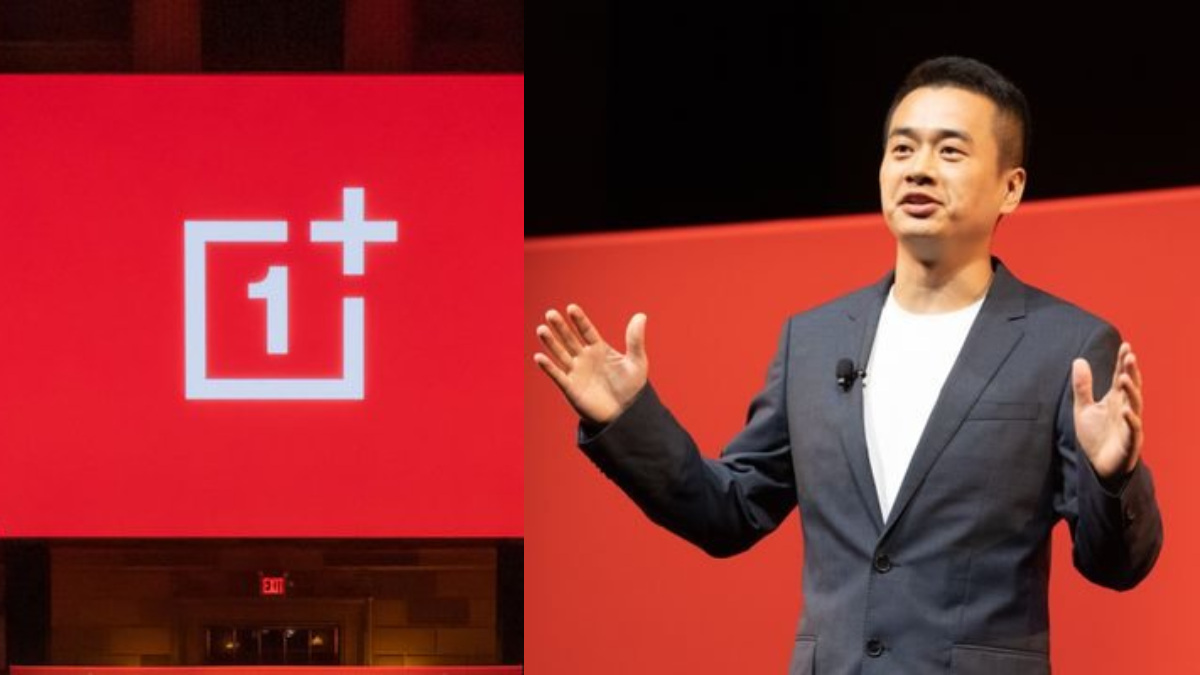
In a drastic escalation of tech-related geopolitical tensions, the Shilin District Prosecutors Office in Taiwan has formally sought the arrest of OnePlus CEO Pete Lau. The act is part of a broader crackdown by the Taiwanese government to prevent the "poaching" of its high-tech talent and the outflow of critical intellectual property to Chinese companies.

Allegations of Deceptive Recruitment
Lau is accused of violating the Act Governing Relations Between the People of the Taiwan Area and the Mainland Area (commonly known as the Cross-Strait Act). They were said to research, develop and test smartphone software.
- Shell Companies: OnePlus, prosecutors claim, created a “disguised” branch in Taiwan in 2015 disguised as Hong Kong-registered entity Soundna Consulting Co. (formerly known as OnePlus Hong Kong), to circumvent strict regulations on Chinese businesses.
- Huge Transfers of Funds: According to reports, OnePlus Shenzhen poured over $72.93 million (around NT$2.3 billion) into their Taiwan arm under the banner of “contracted research” over the 2015-2021 period, in order to pay generous salaries and expand operations locally.
Broader Implications for the Tech Industry
This is not an isolated lawsuit. Under President Lai Ching-te, Taiwan has put even more effort into defending its technology edge (especially relating to semiconductors and electronics).
- Imprisonments: Lau's warrant is joined by indictments of two Taiwanese men, whose surnames are Lin and Cheng, on charges that Lau hired them to oversee the unauthorized local branch.
- National Security: Taiwanese authorities see concerted attempt to poach engineers as an attack on national economic security, and believe that Taiwanese expertise is serving to be used to bolster rivals in China.
Company Response
At 1 pm, OnePlus has released a statement explaining that it is running like business and that its operations are unimpeded from this lawsuit. Pete Lau, still on the mainland, has not personally responded to the warrant. Although the warrant also classified him as a “wanted person” in Taiwan, legal experts say arrest is unlikely unless he enters Taiwanese jurisdiction.