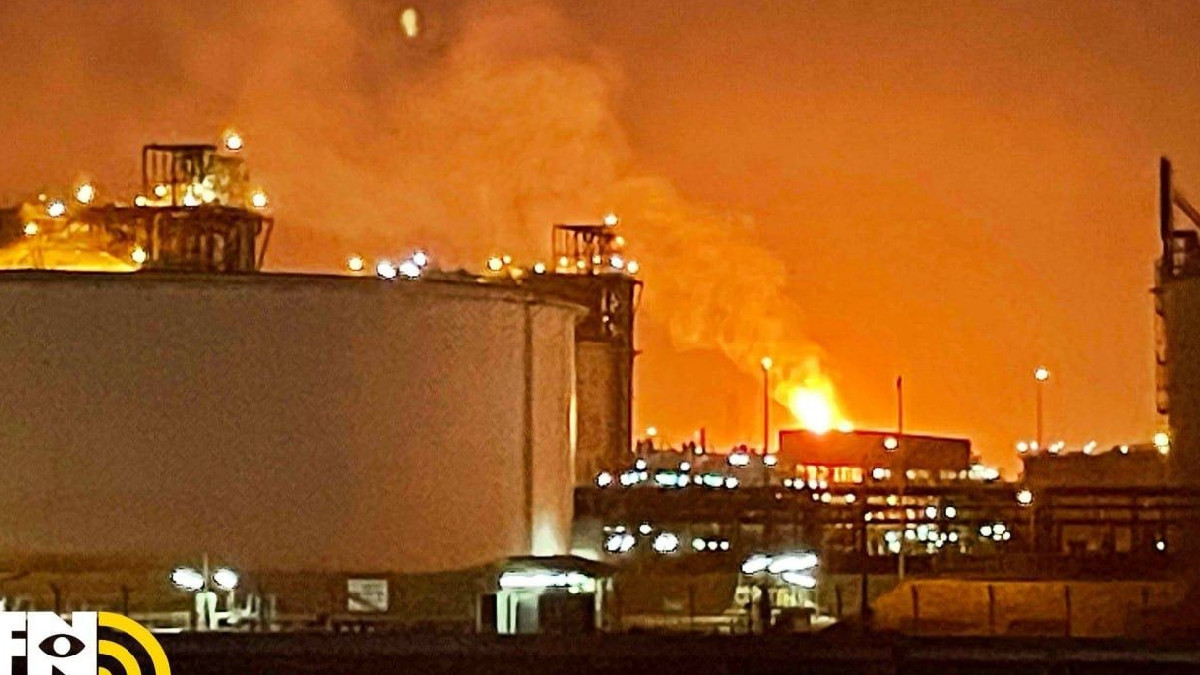
Rising tensions around the Strait of Hormuz have triggered fresh concerns in global energy markets, after Qatar warned that Gulf energy exports could be disrupted within days if the situation escalates further.
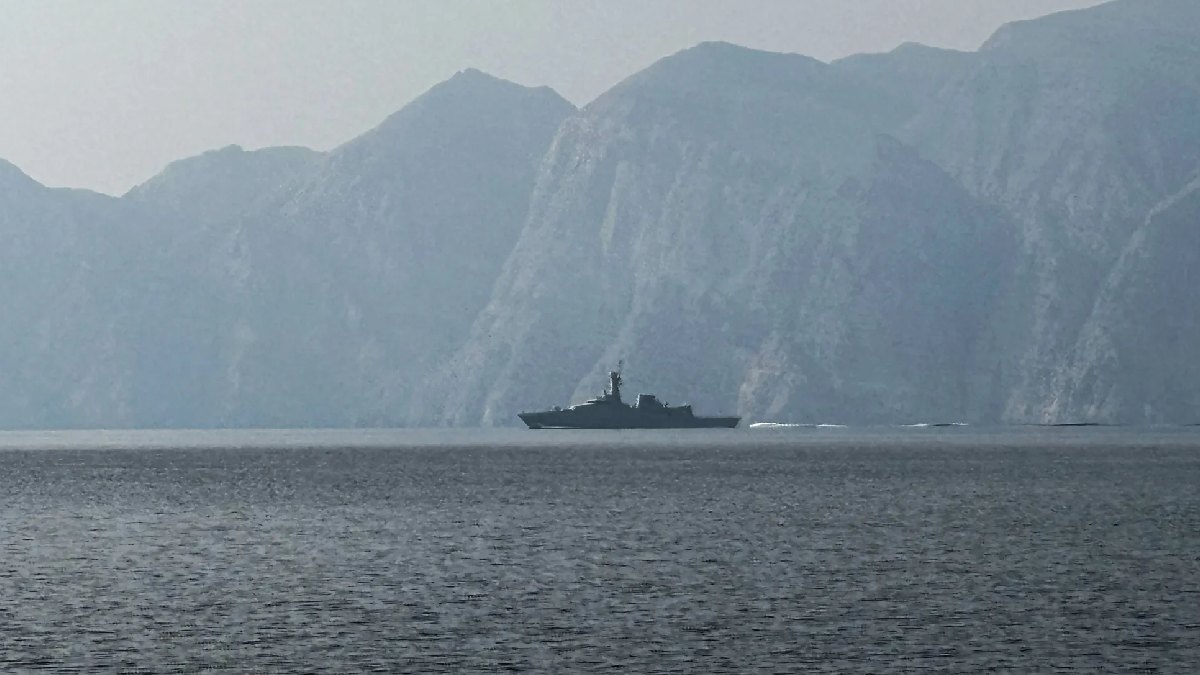
Officials have cautioned that any major disruption to the critical shipping route could severely impact global oil and gas supplies, potentially pushing oil prices to as high as $150 per barrel.
A Critical Global Energy Lifeline
The Strait of Hormuz is one of the world’s most important maritime chokepoints, connecting the Persian Gulf to the Gulf of Oman and the open ocean.
Roughly one-fifth of the world’s oil supply passes through this narrow waterway every day, with major exporters including:
- Saudi Arabia
- United Arab Emirates
- Kuwait
- Qatar
- Iraq
Any disruption in this corridor could rapidly impact global energy flows.

Qatar’s Warning on Export Disruptions
Energy officials from Qatar warned that if tensions escalate or shipping is interrupted, Gulf energy exports could effectively stop within days. This would not only affect oil shipments but also liquefied natural gas (LNG) exports, for which Qatar is one of the world’s largest suppliers.
Analysts say even the possibility of disruptions has already created volatility in global oil markets.
Oil Prices Could Spike to $150
Market experts warn that a sustained blockade or security threat in the Strait of Hormuz could drive oil prices sharply higher, potentially reaching $150 per barrel.
Higher oil prices could have global economic consequences, including:
- Rising fuel costs
- Increased inflation worldwide
- Higher shipping and transportation costs
- Pressure on global energy markets
Countries heavily dependent on imported oil could face significant economic strain if prices surge.
Global Markets Watching Closely
Governments and energy companies worldwide are closely monitoring developments around the Strait of Hormuz. The route is not only crucial for oil shipments but also for global trade passing through the Middle East energy corridor.
International naval forces and regional governments have previously stepped in to ensure safe passage through the waterway during periods of heightened tensions.
Potential Impact on Global Economy
A prolonged disruption in the Strait of Hormuz could trigger wider economic repercussions, affecting energy markets, stock exchanges, and supply chains across continents.
While the situation remains uncertain, analysts say maintaining uninterrupted shipping through the strait will be critical to stabilizing global energy markets in the coming days.