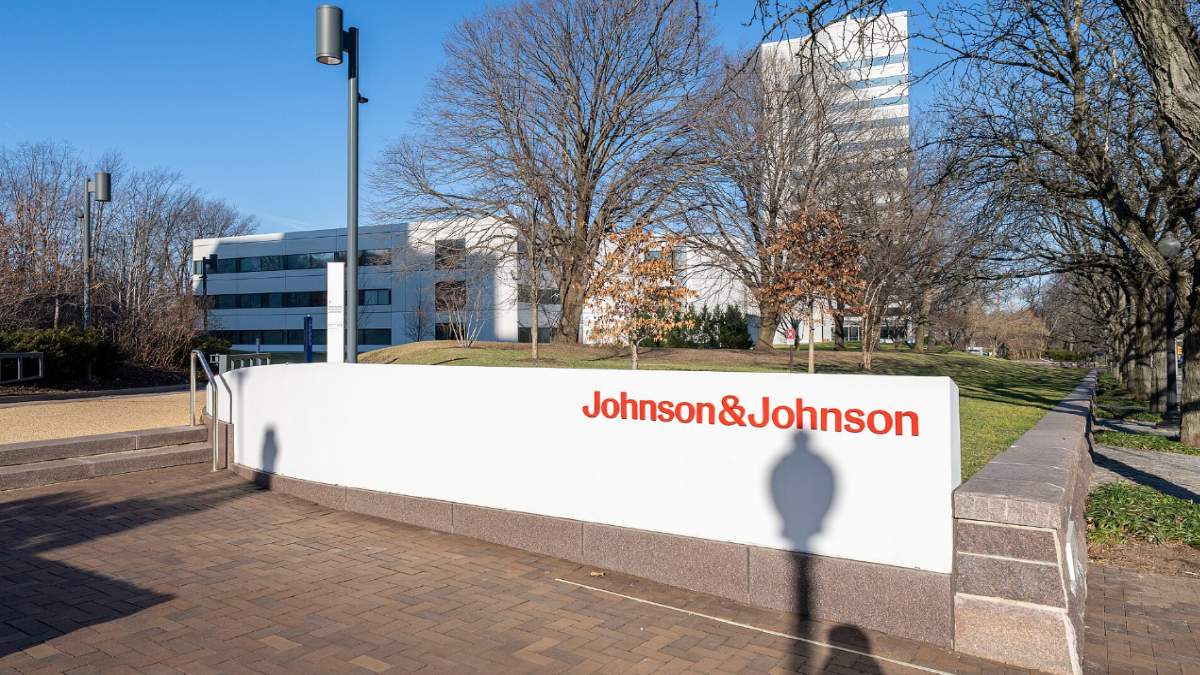
Johnson & Johnson (J&J) said on Monday it has paid $5.5 billion to settle thousands of lawsuits on its talc-based baby powder and its talc-based baby powder products for human health-care-related products and medicines for cancer, ovarian cancer and other diseases.
Although the agreement is a huge legal victory, the company has said the talc products are safe and that scientific evidence is not supporting any link between the baby powder and cancer.
The litigation of Johnson & Johnson’s baby powder has lasted more than a decade and there are now tens of thousands of plaintiffs in the US and many lawsuits across the country. The lawsuits claimed that long-term use of talc-based baby powder caused serious health issues and the company failed to give sufficient warnings of what is happening. Johnson & Johnson has denied that the products are safe to use when they are used as intended in the lab.
The $5.5 billion settlement will resolve a large number of current and future claims entirely under the legal and court process. Settlements of this kind are not an admission of wrongdoing or liability. Instead they are aimed at avoiding long-drawn-out legal processes and the uncertainty for claimants, and companies to move forward without a lot of time out of court.
Johnson & Johnson has said that numerous scientific and regulatory authorities have reviewed cosmetic talc products worldwide. It has said independent testing has consistently shown that its talc-based baby powder is free of asbestos contamination and it rejects any allegations that its products were responsible for cancer. But in recent years that it would stop selling talc baby powder in some markets and switch to cornstarch-based formulation worldwide.
Baby powder litigation has become one of the most closely watched mass tort cases in recent years. Courts have heard thousands of individual claims involving medical conditions, scientific evidence and legal arguments. Some juries awarded huge damages to plaintiffs, other cases resulted in verdicts favouring the company or were dismissed during legal proceedings. The complexity of the litigation has contributed to years of appeals and ongoing legal negotiations.
Legal experts note that large settlements in mass tort cases often work as a practical way to resolve complex disputes and multiple plaintiffs’ cases. Rather than lengthy individual trials over decades, both sides might find a negotiated settlement may be more effective. But such a settlement is usually subject to judicial review and must be legally approved before it can be accepted.
Consumer groups have said the settlement highlights the need for corporate accountability and transparent communication about product safety. They say consumers should know ingredients and health risks before buying products to make sure they don’t buy things. But legal experts say scientific research on talc and cancer is ongoing and not all experts feel the same about them.
Health authorities generally encourage consumers to consult qualified medical professionals and recognised public health agencies to assess the health implications of consumer products. People with specific concerns about past product use are advised to consult healthcare providers for individualised medical advice rather than rely on legal developments.
The Johnson & Johnson case has also shaped broader discussions around corporate risk management, product liability and consumer protection. Businesses around the world are watching the outcome of the case as it could influence how litigation and product labeling and regulatory compliance and settlement negotiations with huge consumer claims are done in the future.
Johnson & Johnson is one of the largest healthcare companies in the world, with a diverse portfolio of large-scale operations that includes pharmaceuticals, medical technology and consumer health products. That’s why, while the settlement is sizable, so much so that it is “very much a big deal,” said financial analysts.
If the settlement is approved in the legal process, it will add to one of the world's largest product liability lawsuits. The final approval will depend on the law and on how the agreement is made. Obviously, no matter what is ultimately done, the case will be a reference point for corporate law and consumer safety and the intersection of science and public health and product liability law.