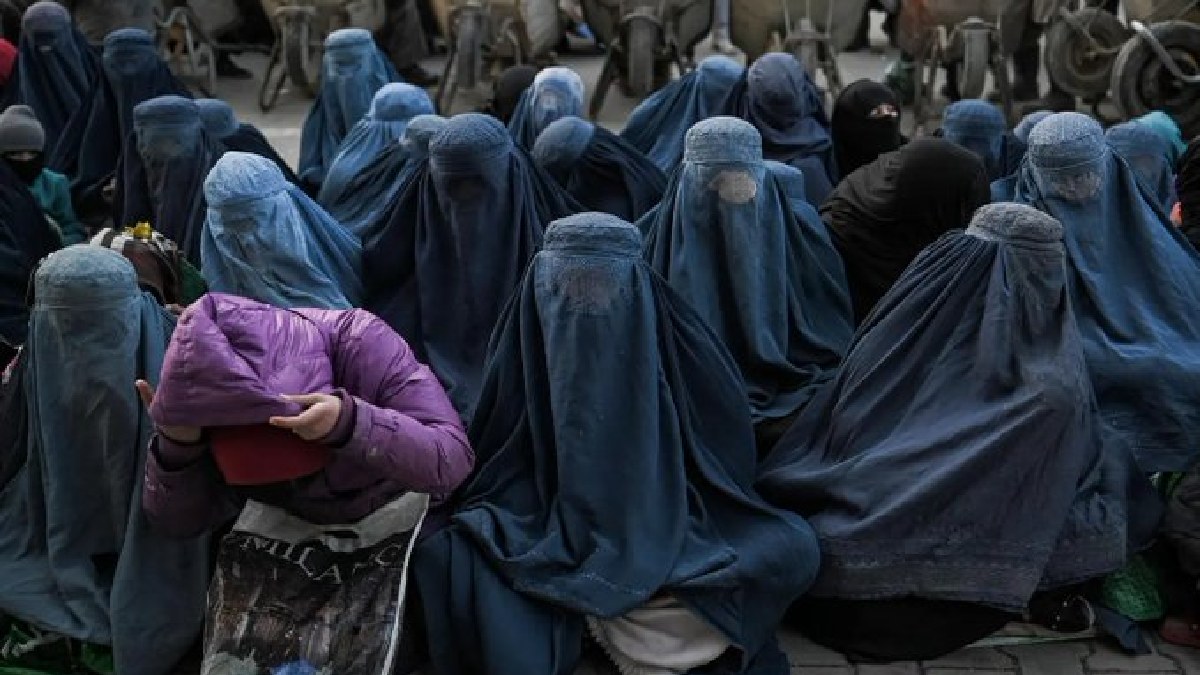
Afghanistan remains at the receiving end of outside criticism when the Taliban imposes a strict prohibition on girls and women’s access to secondary schools and universities. Since assuming power in August 2021, the Taliban has also prohibited education for girls above grade six. As of 2026, the prohibition is still enforced, and millions of Afghan girls stand in classrooms without a place to learn. This move has been described as one of the gravest limitations on women’s rights in recent history.
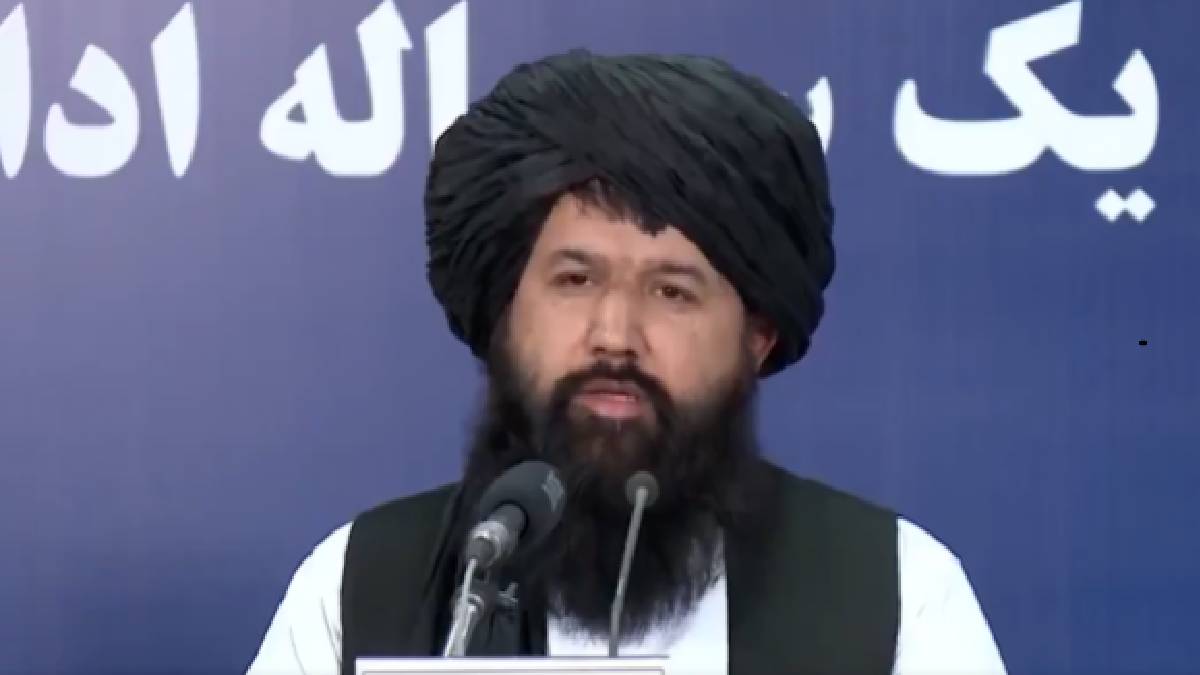
In September 2021, the Taliban announced they would not let girls attend secondary schools. In December 2022, the ban was expanded to universities, which left women barred from higher education entirely. The Taliban have refused to overturn the policy despite repeated calls from the international community. Officials explain the restrictions are temporary, but no timeline has been given, and the ban has now been in place for more than 1,600 days.
The ban has affected an estimated 2.2 million girls. Many women have lost their studies, dreams and future careers. Without education, young girls face increased risks of early marriage, poverty and dependence. Experts say if half of Afghanistan’s population is excluded from learning, Afghanistan’s economy and development will be devastated. It has also had a devastating mental health impact, with many girls complaining of hopelessness and isolation.
The ban has faced condemnation from the United Nations, UNICEF and human rights groups. Denial of education, they have said, is a violation of fundamental human rights, and a blight of Afghanistan’s future. Global leaders have called on the Taliban to open schools again, but to date, the regime has resisted. Aid organizations warn that further restrictions will only worsen Afghanistan’s humanitarian crisis, pushing the country further out of the international community.
Schools would be hard to recover years of lost education even if they were reopened. Teachers, resources and infrastructure are already degraded. Many families fear sending daughters to school under Taliban rule, concerned about violence and harassment. The longer the ban lasts, the more difficult it will be to repair trust and give Afghan women back opportunities.
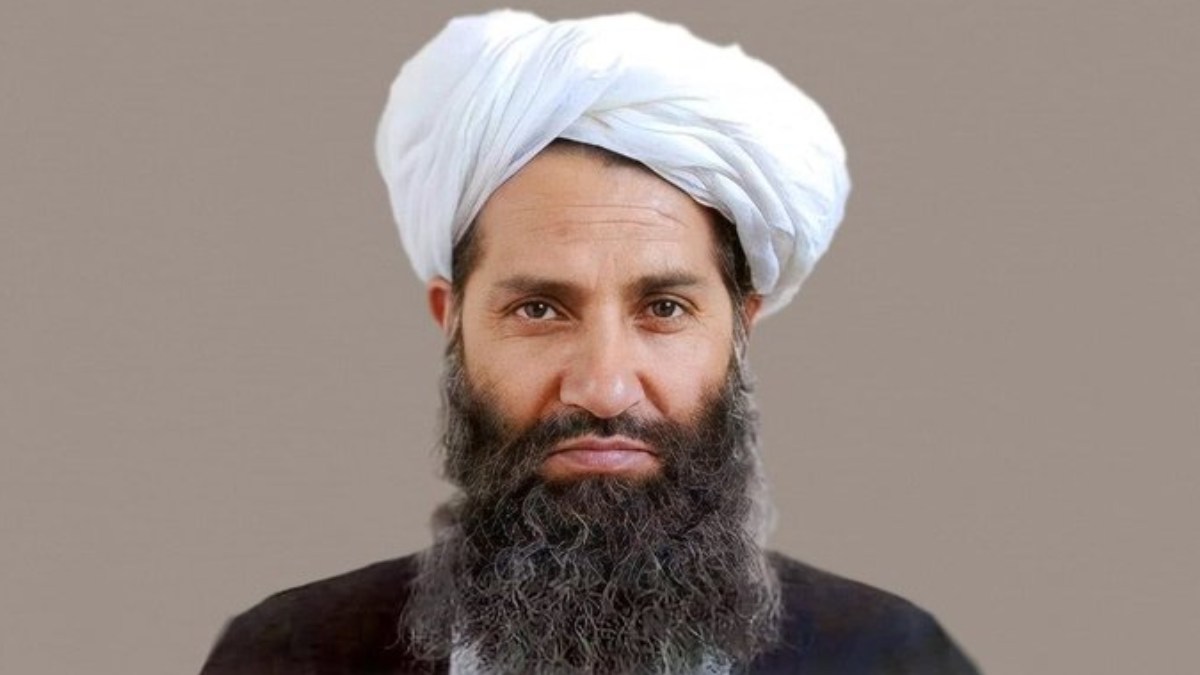
The Taliban’s ban on the education of women has added a dark aspect to Afghanistan’s history. By locking up millions of girls from school, the country could lose a whole generation of talent and advancement. And while the global world continues to call for change, Afghan women still continue to be trapped in the cycle of exclusion and inequality, unless the ban is lifted.