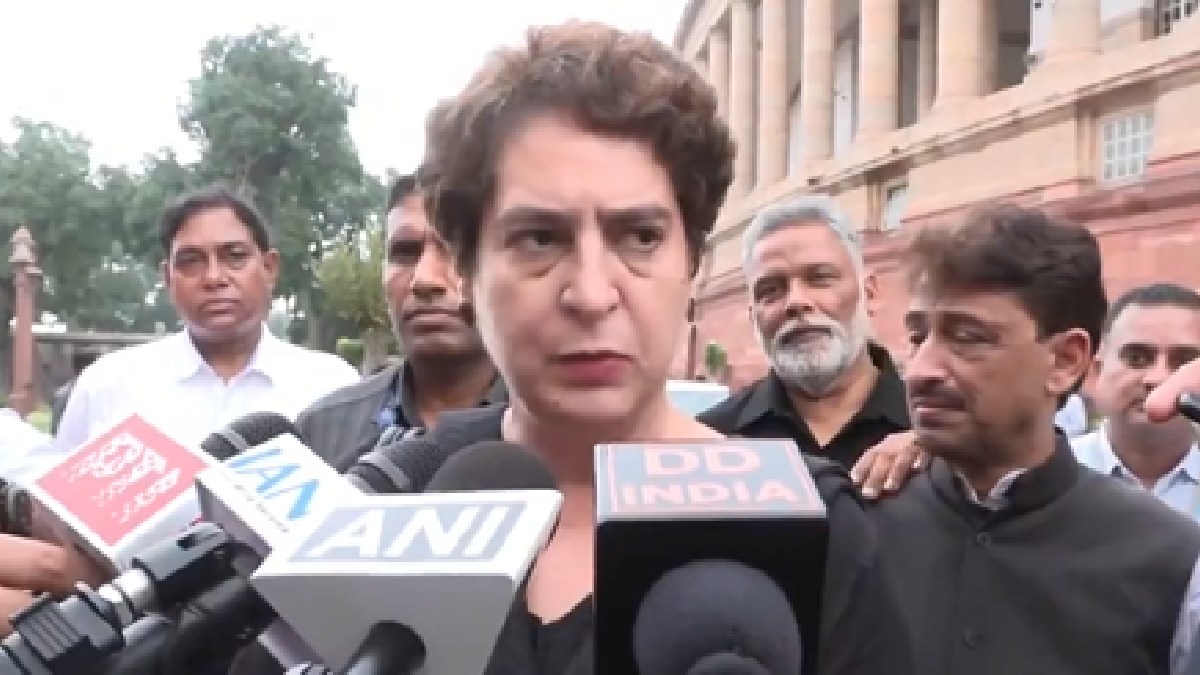
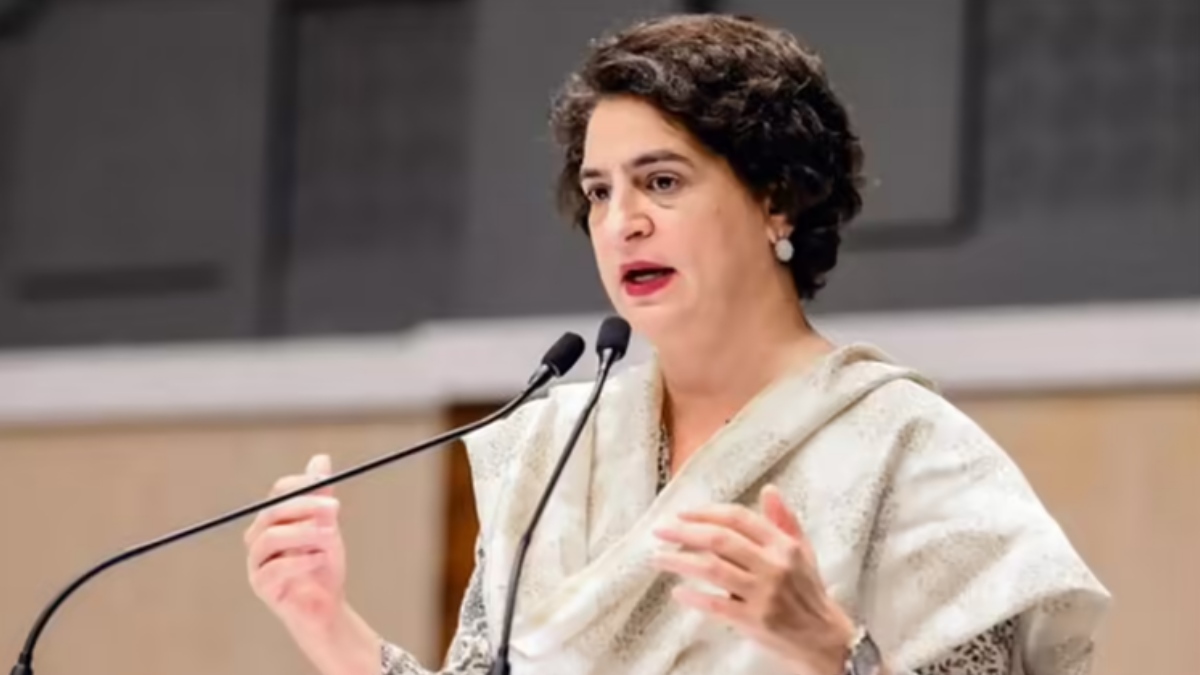
Now, amid a dramatic political transition, India confronts a new political landscape, which now sees Priyanka Gandhi Vadra attacking the central government over the women’s reservation bill that did not survive Lok Sabha voting.
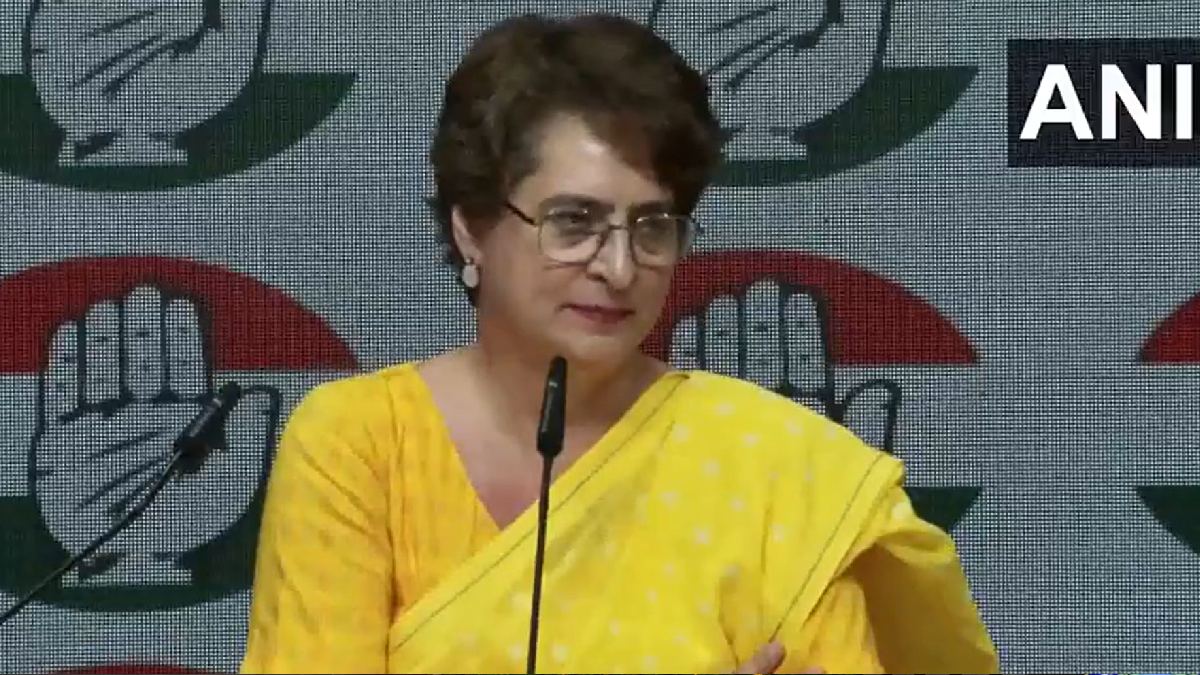
Describing the development as a “conspiracy to rule forever,” the Congress leader blamed the ruling dispensation for not really having the will to empower women politically. But one thing (yes, one of several) has always been a longstanding sore point in Indian politics: laws to reserve a fixed percentage of the seats for women in elected representatives.
It has since secured some support from other parties, but its progress has often been bogged down in implementation discussions, sub-quotas, and political calculation. Reacting forcefully to the bill’s defeat in the Lok Sabha, Priyanka Gandhi said the outcome is a reflection of the government’s priorities.
The ruling party, she said, cares more about consolidating power than giving women full political representation. “This is not so much a legislative failure; it is this unwillingness to share the power more fundamentally,” she said. Her remarks have taken place during the height of escalating political drama, as opposition parties allege the government has exploited procedural shenanigans and political gymnastics to obstruct passage of the bill.
Priyanka Gandhi went so far as to say the government had already made a public commitment on women’s empowerment during previous years under its leadership, but had not made good on it at the critical moment of need. On the other hand, the party in power rejects the allegations: the failure cannot be a one-sided one.
Many leaders from respective governments have argued that the issue is not only multidimensional, but that it needs a broad collective agreement among the various stakeholders out there, and is also being discussed in relation to what type of reservation should be given to women.
The women's reservation bill was considered a core reform, a way to boost massive roles for women in Indian politics. Women’s representation in Parliament is underwhelming to international standards at the moment. Supporters of the bill say it is not just more inclusive; it would allow for a broader range of perspectives to affect policymaking. Political analysts highlighted the latest event could be even more crucial in the run-up to elections.
Women’s representation will be among the top themes of discussion among opponents, who plan to use the bill as a tool to throw the government’s record on gender equality under the bus. Civil society organisations and women’s organisations were among those expressing regret that the document did not survive, and they urged each party to be of the same mindset and unite to find a consensus.
But for them, the more years they wait, the harder it becomes to democratise and deny women a real place in government. The party went on, Priyanka Gandhi said, to rally support for the passage of the bill and keep the government in check for its failure. Women across the nation are watching and want real, not hollow action, she said.
The conversation is becoming increasingly heated, given that the future of the women’s reservation bill hangs in the air. This time, what is clear is that the issue has once more re-emerged in the Indian political discourse and strengthens the efforts behind the battle to achieve gender parity in India’s legislative institutions.