In Thailand, a supermarket has launched a simple strategy that could go a long way -- repurposing plastic packaging. This is an eco‑friendly action that is catching global attention: the world’s attention for how traditional practices can address contemporary challenges. The supermarket is helping reduce plastic usage and inspiring others to consider sustainable options by employing organic materials.
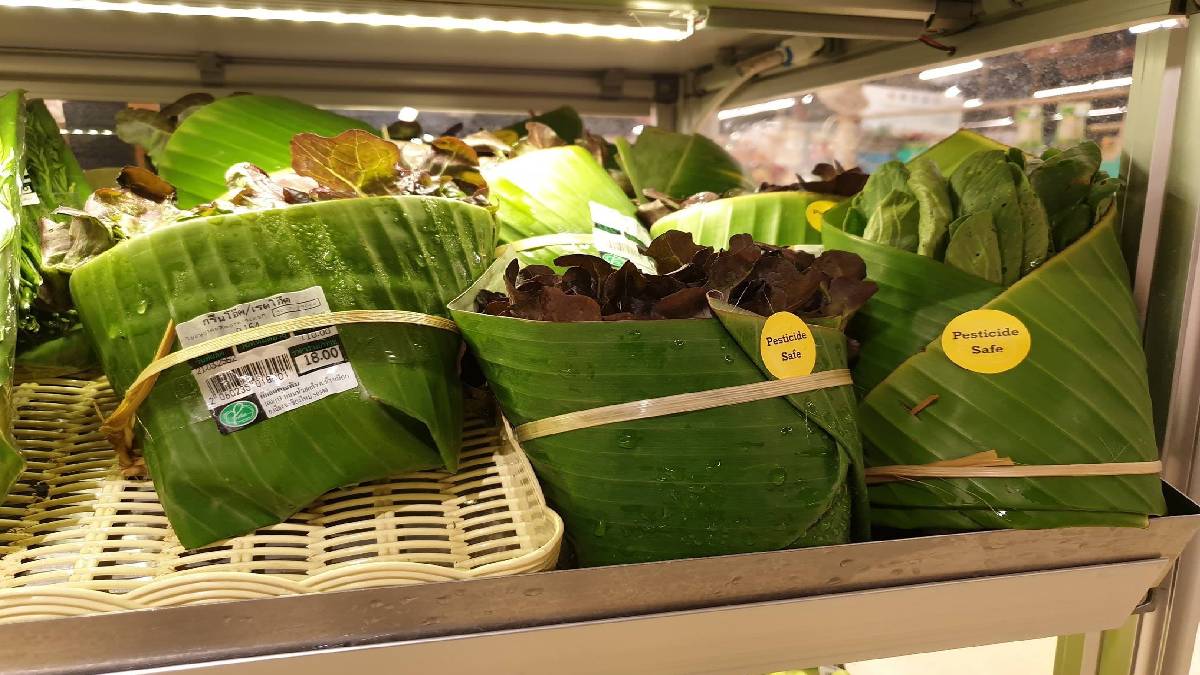
The initiative started at Rimping Supermarket situated in Chiang Mai. Instead of wrapping vegetables and fruits in plastic, the store began to use banana leaves bundled with bamboo strips. Now, bundles covered with leaves sell products like chillies, cucumbers and spring onions. The change attracted enthusiastic customers, and photographs of the packaging then went viral on social networks. Everyone admired the idea because it was very simple and practicable and for doing so was friendly to the environment.
The banana leaves are tough, flexible, and are common in Thailand. They are biodegradable, meaning they break down naturally without hurting the environment. Whereas plastic can need hundreds of years to decompose, banana leaves will soon be back onto the soil. They also add a refreshing, natural-looking quality to produce that sells to customers. Banana leaves are a standard cooking material and wrapping material in Southeast Asia, so the trick feels culturally native.
Plastic pollution is a significant global problem. Supermarkets are among the biggest consumers of single‑use plastic, including for packaging fresh produce. Rimping Supermarket reduces its plastic waste contribution by shifting to banana leaves. This small change may sound tiny but it is one that other businesses can do, if only for the sake of setting a pattern. If there are many supermarkets that adopt these practices that are similar to ours, then the impact on reducing plastic waste could be significant.
There are some limitations. Banana leaves dry out faster than plastic, so they may not be suitable for long‑term storage. They also must be handled to avoid tearing. As banana leaves are difficult to find in other countries, scaling up the idea to larger chains is hard. The benefits, however, far outweigh the challenges, and the effort has prompted discussions about innovative solutions to plastic pollution.

The Thai supermarket swapping plastic packaging with banana leaves goes to show that small changes can create a big change. In seeking out nature, the shop kept its waste in check, inspired customers and showed the world that sustainable practices aren’t just for the wealthy or the celebrity or the mega billionaire. Taking this small step could motivate other businesses to reconsider packaging and contribute to a cleaner, greener future.