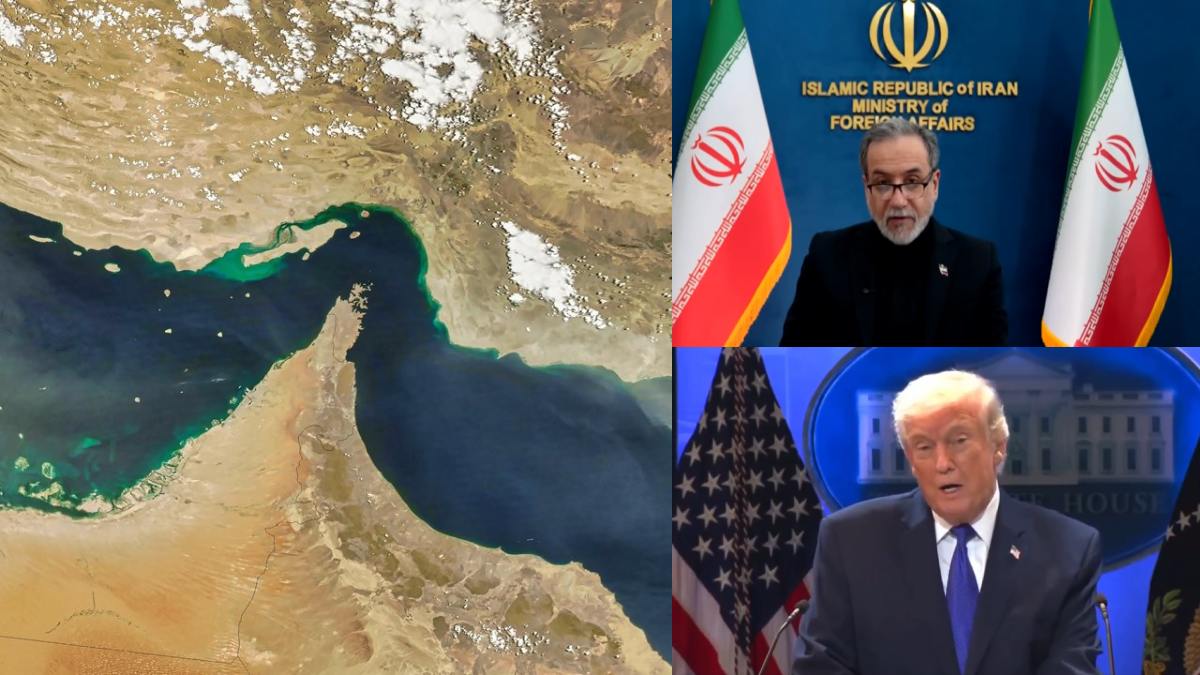
In the lead-up, US officials indicated that the United States and Iran had agreed in principle to open the strategically sensitive Strait of Hormuz as part of efforts to alleviate tensions and end months of fighting in the Middle East.
“It’s not officially signed on today, but if that’s the case, it’s a historic diplomatic breakthrough that could help address what’s going on in global energy as well as the security in the global oil market. There has been no final confirmation from the Donald Trump administration or from Iran’s Supreme Leader in connection with the framework agreement, and it will be finalised.
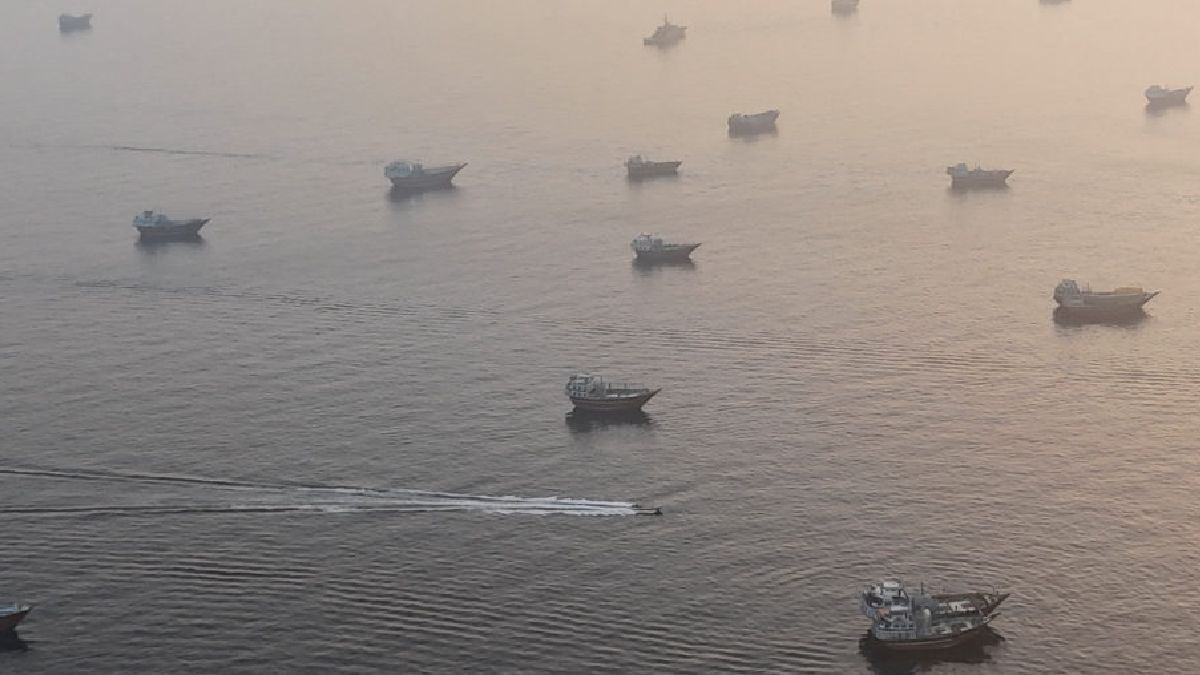
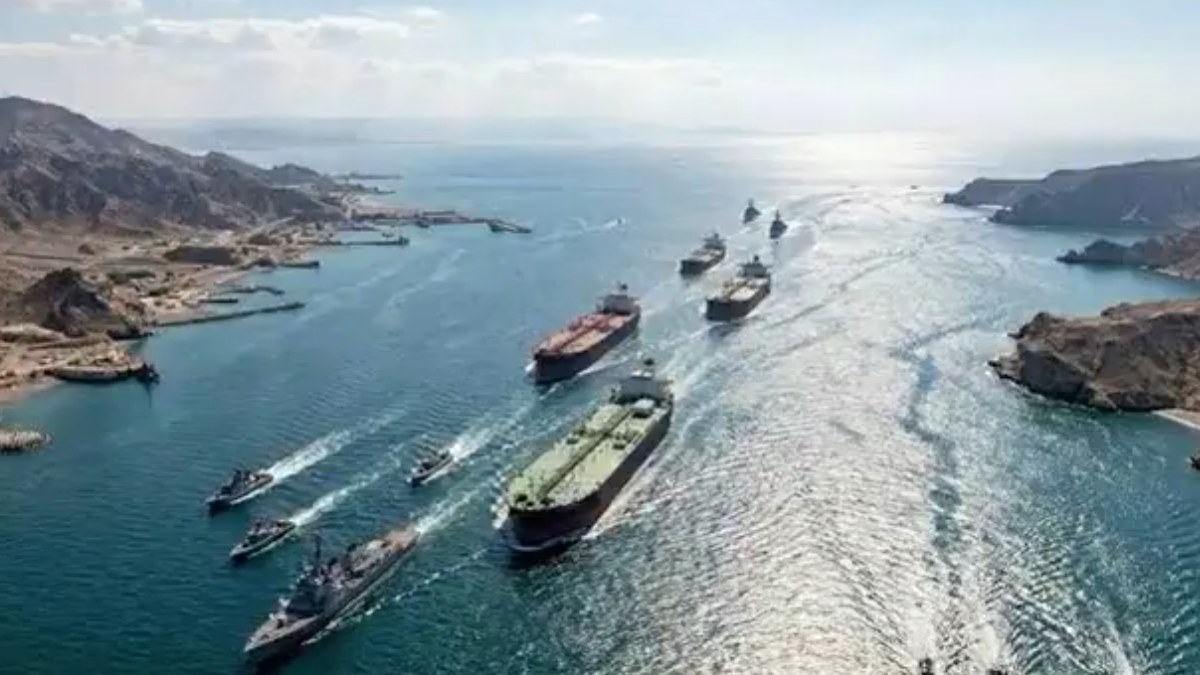
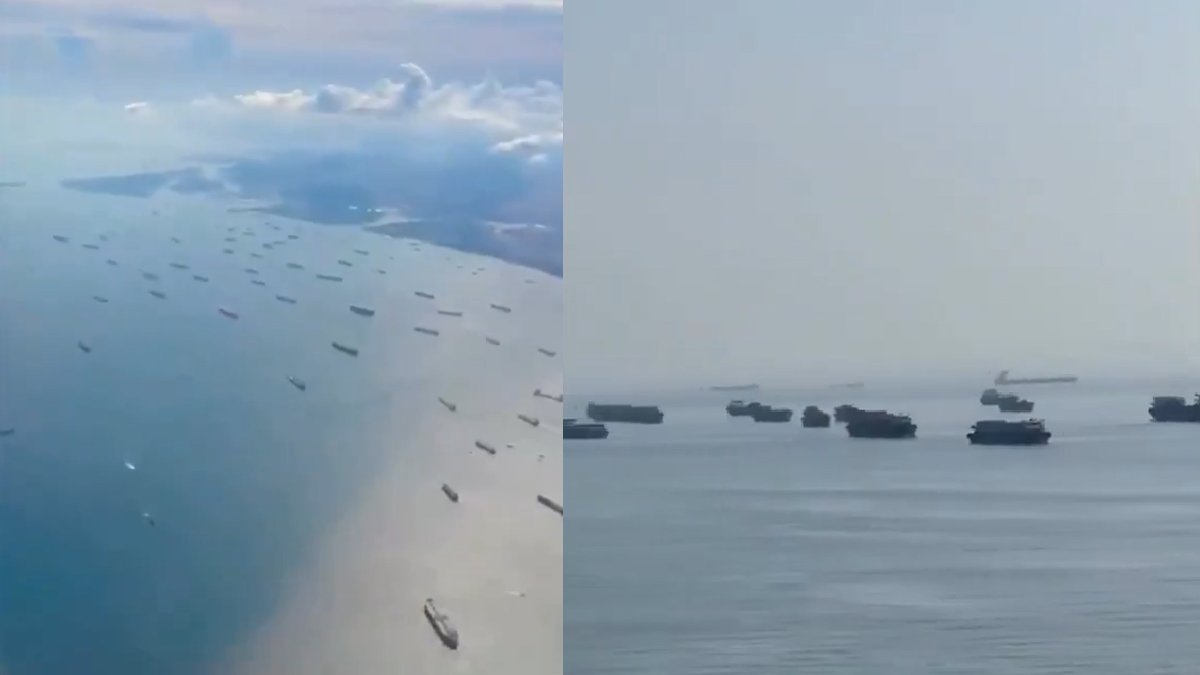
The Strait of Hormuz is commonly considered one of the most critical oil shipping lanes in the world, and, among the sea lanes, the Strait represents a significant portion of the globe’s crude oil and liquefied natural gas shipments. Disruptions to that area impact international fuel prices, shipping costs that eventually disrupt global trade and other costs to the world.
It has been reported that the proposed agreement would open the strait for commercial shipping to and from the Gulf, as well as be able to implement a policy to lower military tensions in the region.
Iran, in principle, also agreed to dispose of the very large nuclear product that it stores, the highly enriched uranium, as part of even greater negotiations that were not yet complete, and there were also lingering discussions about how the process would work.
Senior officials in the United States, it is reported, said the deal would lay the groundwork for a larger ceasefire in addition to negotiating new negotiations with Iran against its nuclear program, for sanctions relief and regional security threats. There are still some sensitive issues to be settled; however, they continued, and negotiations could go forward and break down.
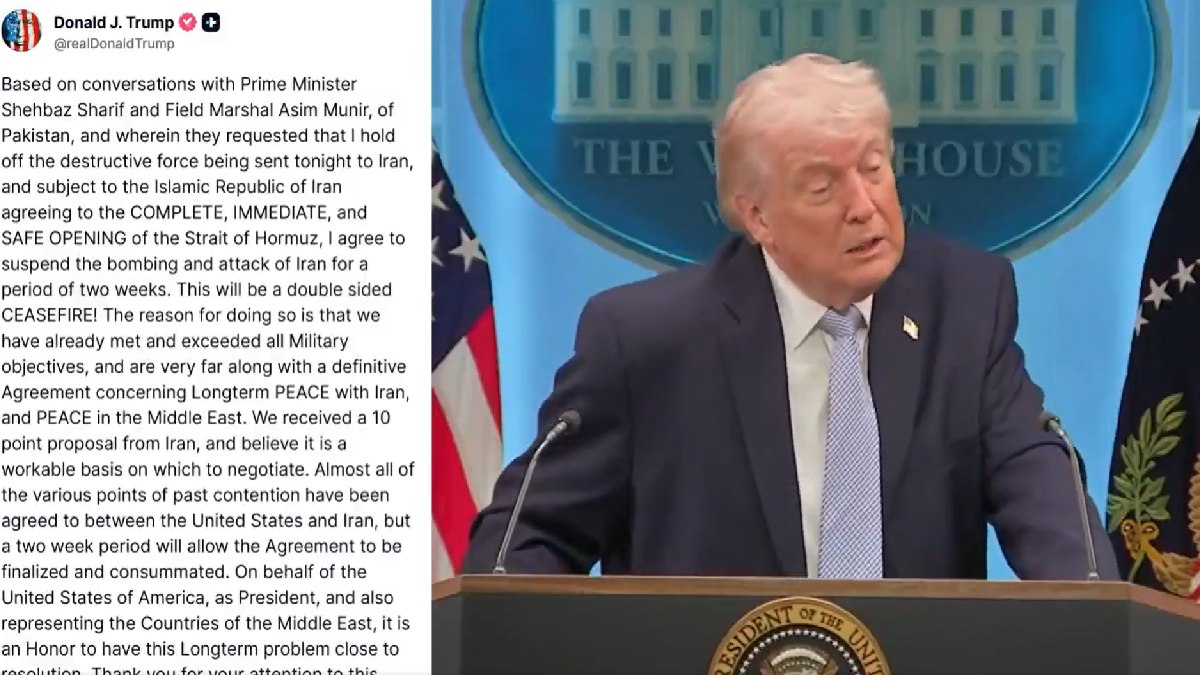
President Donald Trump described it as mostly negotiated and cautioned that Washington was not about to rush to agree on the final deal. The Trump administration has reportedly said, it has been said at this very moment, that sanctions relief and the end of most restrictions would come only after Iran’s commitment has been confirmed.
The news of peace talks sent shockwaves through global markets, sending international oil prices crashing as it was viewed as a viable option for the potential normalisation of energy supplies along the Strait of Hormuz soon. Reopening the critical shipping corridor would also alleviate fears of supply disruptions that sent crude prices up amid fighting, analysts say.
Tehran's final details of the proposed framework still lack public confirmation in the last few days, but there's positive messaging about their direction for US officials. Iranian officials have made contradictory statements on the nature and terms of any possible deal, and with little direction being given on the specifics, negotiations continue to be brittle.
Geopolitical experts say if completed, the pact could be one of the largest major diplomatic events in the Middle East in recent years, as well as the most impactful on global energy security and the overall international trade and regional stability.