Todd Blanche, President Trump’s former personal attorney, has been confirmed by a narrow Senate vote as Attorney General of the United States and will now have a role in the nation’s top law enforcement office. The vote was 50-49 in the Senate, reflecting deep divisions among lawmakers and raising questions about the direction of the Justice Department’s future.

Blanche had been acting Attorney General since April when President Trump removed former Attorney General Pam Bondi from the position. Before that, he was Deputy Attorney General and played a major role in criminal and national security matters within the Justice Department. Blanche, who served in government before that as one of Trump’s personal defence lawyers and represented President Trump in many high-profile legal cases, had been in the government.
The confirmation process proved to be one of the most heated Cabinet battles of the year. Blanche’s close relationship with President Trump and whether he would be independent of politics raised concerns among some lawmakers from both parties about whether his previous role as Trump’s personal lawyer would conflict with public confidence in the Justice Department and federal law enforcement institutions.
An issue that has been at the forefront of Blanche’s confirmation hearings is his role as acting Attorney General and his proposals and policies from the past. Senators asked him about his involvement in a compensation fund that was designed to compensate individuals who claimed they had been unfairly targeted by federal investigations. News about tax-audit protections for Trump and members of his family were also at the forefront of questions that caused Republican senators to question whether Blanche would win enough votes for confirmation.
In the end, support from key Republican senators was necessary to help Blanche secure confirmation. Senator Bill Cassidy’s vote for the nomination was particularly significant, given his backing of the nomination and the way that he helped clear the way for confirmation despite opposition from Republican Senators Lisa Murkowski and Susan Collins. Both senators said in public that they wanted to preserve the Justice Department’s independence and restore public confidence in the rule of law.
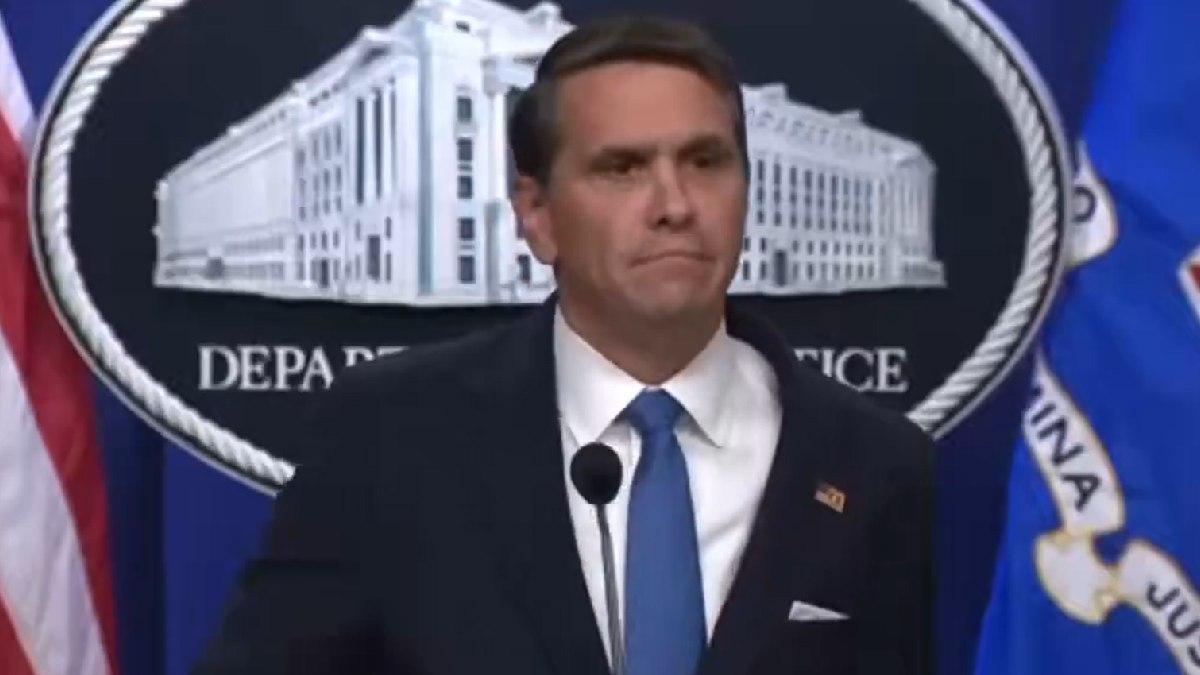
Blanche’s supporters say his legal experience, including his years as a federal prosecutor and defense attorney, makes him fit to lead the Justice Department. They argue that his courtroom experience and familiarity with complex legal matters will give him a solid grasp of federal law enforcement agencies and the department’s vast responsibilities. Advocates also note that his leadership during his time as acting Attorney General is testimony to his ability to navigate difficult legal and political issues.
But opponents remain skeptical and say the Justice Department could be under even more political pressure under his leadership. Many Democrats have argued that the Attorney General should be independent of the White House and should prioritize the impartial enforcement of federal law above political considerations. Blanche’s appointment has thus become part of a larger national debate about the Justice Department’s role in a polarized political environment.
Now that Blanche has been confirmed, he can assume full control of the Justice Department at a time when the department must deal with multiple unresolved investigations, national security challenges, and the need for public confidence in federal institutions. Political observers will be watching how he balances the demands of the administration with the department’s long-standing commitment to legal independence and equal application of the law.
As Attorney General, Todd Blanche now has a job to do with one of the most powerful and closely watched posts in the U.S. government. He is going to be the one who will determine the direction of the Justice Department in the next few years and the legal and political climate of both the United States.