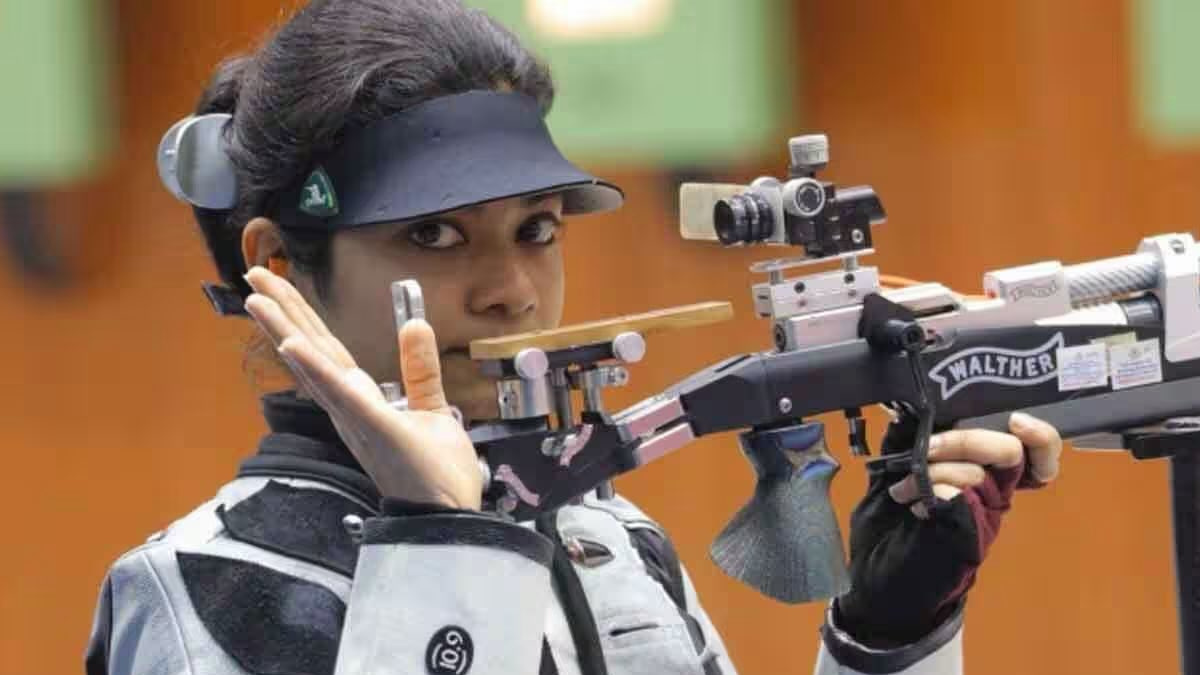
At 40, Indian squash star Joshna Chinappa is set for another storybook moment ahead in her seventh Asian Games in the Aichi-Nagoya 2026 event. From a 16-year-old in Busan during 2002 to now one of the most experienced players in Indian squash, Chinappa has been in the game for more than two decades. She is also heading into the second Asian Games in Japan in 2026 with two big goals in mind - to help India win its first women's team gold in the Asian Games and to make it to the 2028 Los Angeles Olympic Games.
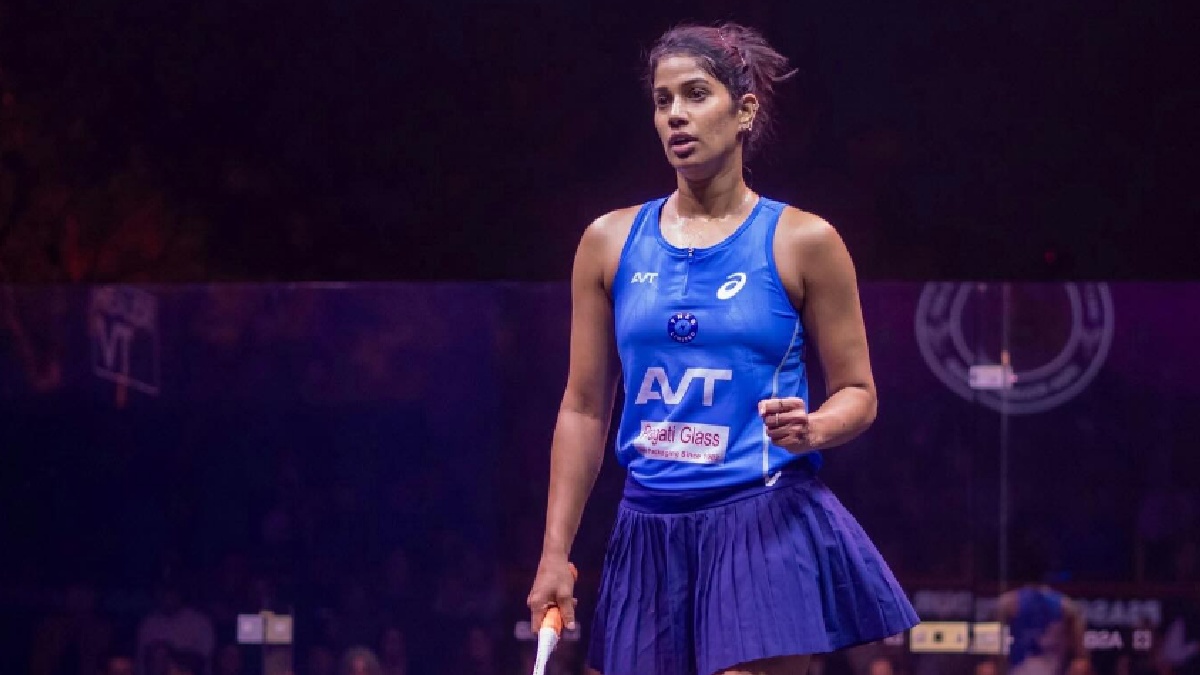
Chinappa will be the Indian athlete with the most Asian Games appearances at the seventh time. Her longevity in Indian sport is remarkable as she has participated in every Asian Games since she made her debut in 2002. She started her Asian Games journey as the youngest member of the Indian team, and she comes back as one of the senior members of the squash team today as the most senior one.
Her Asian Games record has also echoed the growth of Indian squash on the international stage. The 2002 Busan and 2006 Doha editions did not produce medals for Chinappa, but her fortunes changed at the Guangzhou Asian Games in 2010. She was a part of the Indian women's team that won a bronze medal which was India's first such award at the Asian Games in squash. That was the beginning of India's growing presence in the sport.
The success continued at the next editions. Chinappa made it to the 2014 Incheon Asian Games, where she helped India's women's team win the silver medal with Dipika Pallikal, Anaka Alankamony and Aparajitha Balamurukan among those. Four years later at the 2018 Asian Games she was also able to help the women's team win silver and also win an individual women's singles bronze. Her medal-winning run continued at the Hangzhou Asian Games, where she won her fifth consecutive Asian Games medal and fourth consecutive medal in the team event.
So the Aichi-Nagoya Games might mark Chinappa's next big step in her career. As the most experienced member of the Indian women's team she will be leading a young team of many younger players as well. Among them is Anahat Singh, one of India's young squash talents. And a mix of experience and youth will bring India another chance to contend for the women's team title.
Chinappa’s goal for this moment, however, is more than that of adding to her medal list. The Asian Games gold medal is something she has never won in her life. Even though she has won multiple medals in different editions, she has yet to stand on top of the podium at the continental event. Winning gold is a new level of significance to what might be her last Asian Games display.
Chinappa’s ambitions are not only for Aichi-Nagoya. She has spoken about her admiration for Indian tennis players Leander Paes and Rohan Bopanna who have a remarkable longevity at the highest levels. Their careers have shown Chinappa everything she needs to know to be a professional athlete well into her 40s.
The prospect of the Los Angeles 2028 Olympics is an additional motivation. Squash will make its Olympic debut at LA28 and players from the sport will get an entry into the history of the Olympics. Chinappa is still playing singles which is important as doubles are not part of the squash programme for the Los Angeles Games, and she will need to stay competitive in the singles to have an Olympic chance.
Rather than set a long-distance goal, Chinappa has said she prefers to focus on the immediate. But her continued participation at the highest level keeps her chances of an Olympic appearance alive. She might not make the LA28 squad, but her career is already one of the longest and most decorated in Indian squash.
From Busan in 2002 to Aichi-Nagoya in 2026 Chinappa’s Asian Games story is one of consistency, resilience and evolution. And her seventh appearance will only reinforce her longevity, while the search for a gold medal has become a new challenge. As the Indian squash players are taking a step forward at Aichi-Nagoya, Chinappa's place in the team’s future will be just as important to this as the last chapters of her own celebrated career.