On August 12, skywatchers are in for a spectacular celestial treat on three amazing things happening in a few hours, creating a triple cosmic event: a lunar eclipse, the peak of the Perseid meteor shower, and a planetary parade, so that it will be one of the best nights of stargazing in 2026.
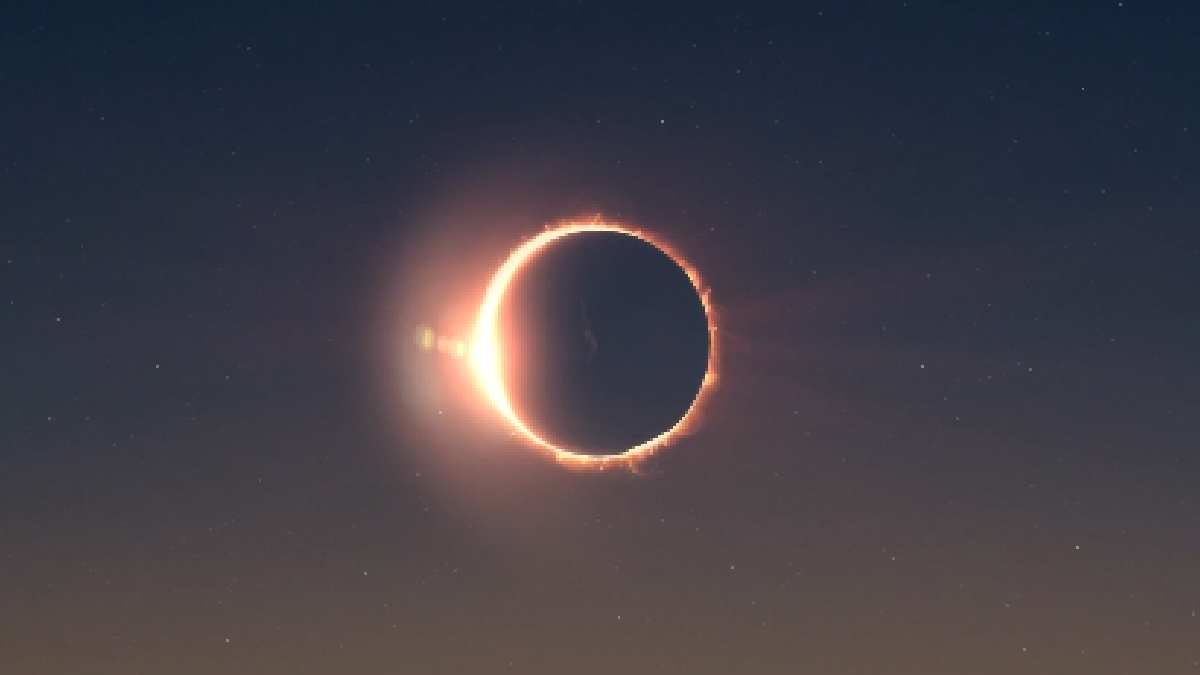
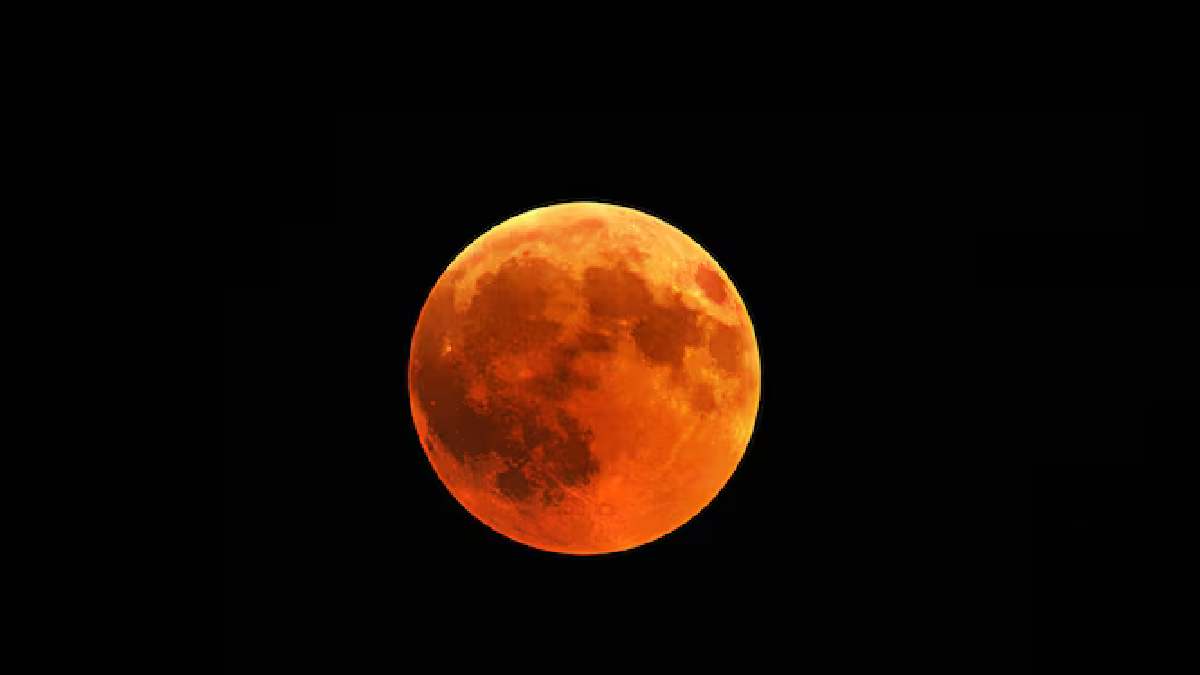
The best part of the night is the partial lunar eclipse, when Earth moves between the Sun and the Moon and casts a shadow over some part of the Moon. Where you are the eclipse could be visible at all or only partially visible.
Even a partial eclipse is quite beautiful, when the Moon gradually darkens before returning to its usual brightness.
This year, the eclipse will be occurring along with the Perseid meteor shower, one of the most popular meteor showers of the year. The Perseids produce bright, fast-moving meteors that shoot out into the sky in darkness. Dozens of meteors will occur every hour during the peak of the shower.
More exciting is a planetary parade, because there are planets appearing to be lined up in the sky before dawn. Mercury, Venus, Jupiter, Saturn, Uranus, and Neptune are some of the planets that can be seen from Earth, although binoculars or a telescope are required.
In space, the planets are not very close to each other, but they are very close from the Earth's point of view.
Because these three astronomical events take place on the same day, space lovers have referred to this as a “soft reboot” of the Universe a poetic word, not a science word.
The term describes the sense of wonder inspired by the many celestial events that take place in concert, and remind people of the beauty and dynamism of our solar system and universe at large.
Astronomers suggest for the best view of the Moon to be taken from away from city lights to see the Moon. There is no need for special equipment to see the lunar eclipse or Perseid meteors, although binoculars can help you see the planets and more of the Moon. A nice chair, warm clothing, and patience are the best way to enjoy it.
The weather will be crucial for visibility. Clear skies are essential for the eclipse, meteors, and planetary alignment. You will need clear skies to see the eclipse, meteors, and the Moon and planets to be visible from the view. Checking the weather forecast before heading outdoors is recommended.
Schools, astronomy clubs, and families come together like this to enjoy the wonders of space, too. If you are a professional astronomer or just curious about the night sky, August 12 will provide a chance to go through all that beauty and science and the cosmic curiosity and the old-fashioned love of space will be the basis for us to go.
With three major celestial events occurring on a single night, the August 12 sky is likely to be one of the year’s hottest sights for astronomy lovers of all kinds around the world.