
Chandra Grahan lunar eclipse is scheduled for 28 August 2026, which is also Raksha Bandhan. The celestial event is being celebrated in India for its visibility and time and the traditional 'Sutak Kaal' that is associated with lunar eclipses.
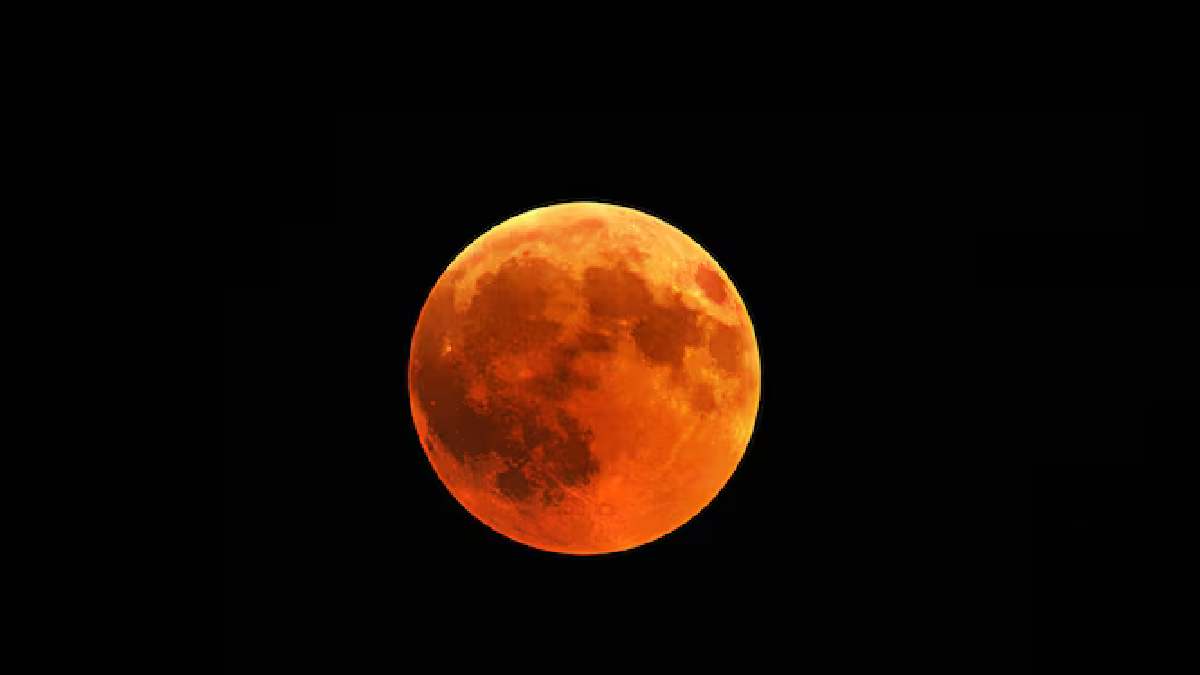
The August 28 event will be a deep partial lunar eclipse with more than 90% of the Moon entering the Earth's umbral shadow at the peak. But there is an important point for the people in India: “the eclipse will not be visible from India” because the Moon will be below the horizon during the main phases of the event.
Chandra Grahan August 28: Timings
According to astronomical calculations, the eclipse phases will occur during the morning and afternoon in Indian Standard Time. The penumbral phase starts at around 6:53 AM and the partial eclipse begins at around 8:04 AM.
The eclipse reaches its maximum around 9:43 AM IST, after which the partial phase ends around 11:21 AM. The penumbral phase ends around 12:30 PM.
But these timings represent the global eclipse event converted into IST. They do not mean that Indians will be able to see the eclipse from their locations.
Will Sutak Kaal Apply in India
This is the biggest question surrounding the August 28 Chandra Grahan.
According to traditional Hindu beliefs, 'Sutak Kaal is generally observed before an eclipse in places where the eclipse is visible'. Since the August 28 lunar eclipse will not be visible from India, several Panchang and astrology sources state that 'Sutak Kaal will not apply in India'.
This means no Indian people need to stop doing their daily work because there is no need for this. Religious practices and other rituals can go on as they do.
What About Raksha Bandhan
The eclipse is a lot more important this year because ‘Raksha Bandhan’ falls on August 28. The fact that the lunar eclipse will not be visible from India means that the usual eclipse restrictions do not prevent people from celebrating the festival.
According to Panchang calculations, Raksha Bandhan rituals can be performed normally in India.
But religious customs can vary between families, communities and Panchangs. People who are following certain traditions may consult their local priest or preferred Panchang.
Where Will the Eclipse Be Visible
The August 28 partial lunar eclipse will be visible from parts of North and South America, Europe and Africa, among others. Indians living abroad in the areas where the eclipse will be visible can follow the customary Sutak and eclipse practices of their own religious traditions.
For Indians, the main takeaway is: the August 28 Chandra Grahan will happen, but it will not be visible from India, and Sutak Kaal is not considered to be applicable here.
Note that Sutak Kaal and related religious practices are a matter of tradition and belief, while eclipse timings and visibility are astronomical calculations.






Comments
Leave a Comment