The Trump administration is preparing a sweeping immigration measure that could revoke business and tourism visas held by as many as 200,000 foreign nationals who have applied for or are currently seeking asylum in the United States. If implemented on the scale being reported, the action could become the largest single mass visa revocation in U.S. history.
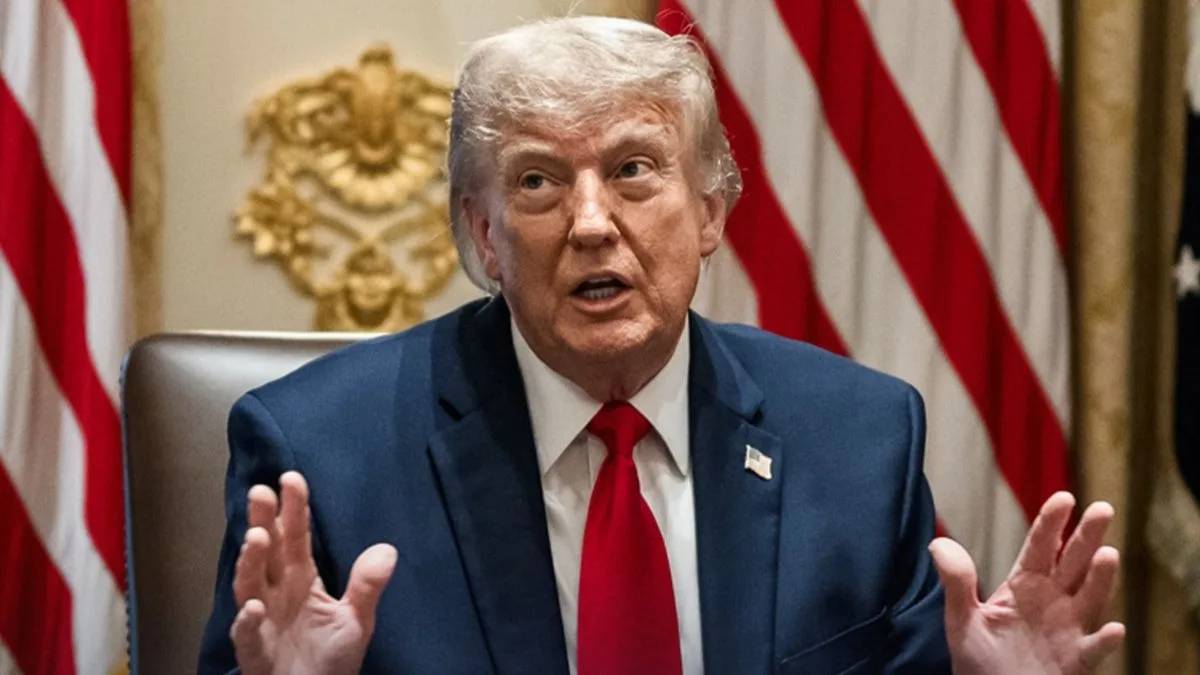
The measure primarily targets B1 and B2 visas, which are for temporary business and tourism travel. Based on State Department documents and federal officials, the administration is considering revoking visas issued between 2016 and 2026 when their holders later sought asylum in the United States. The State Department is working with the Department of Homeland Security on identifying those who are likely to be affected.
State Department spokesman Tommy Pigott said the government is trying to find and revoke nonimmigrant visas held by foreign visitors who entered the country claiming to be short-term visitors but, in fact, have filed asylum applications. The administration has maintained the policy is intended to tackle concerns that temporary visitor visas could be used as a pathway to stay in the United States permanently.
But the number of visas that are going to be revoked is still unclear. The process could be initiated gradually, and the number could change as authorities assess individual cases, officials said. The estimated number of up to 200,000 is therefore a possible number and not a final number.
🚨 JUST IN: 🇺🇸 Trump administration reportedly pauses immigrant visa applications worldwide and prepares a mass revocation of business and tourism visas held by up to 200,000 foreigners who have sought or are seeking asylum in the U.S.
— Megh Updates 🚨™ (@MeghUpdates) August 26, 2026
If carried out, it could become the largest…
The proposed action is part of a much broader immigration crackdown under President Donald Trump. For visa applicants, his administration has intensified screening with a greater look at applicants’ social media profiles, and in some cases additional financial barriers. That’s not the only restriction the administration wants to do with nationals of various countries.
The potential mass revocation is particularly important since losing a B1 or B2 visa does not necessarily mean that an individual will be immediately deported. Many people with pending asylum cases would instead lose their classification as business or tourism visitors and may be recategorized under the immigration system, officials said. The specific consequences will depend on each individual's immigration status and pending proceedings.
The plan comes at the same time as another big shift: The Trump administration has temporarily halted immigrant visa processing worldwide. The State Department says the pause is connected to a wider-ranging training of consular officers, including the need for better evaluation of applicants for public assistance. And interviews have been canceled or disrupted as the new procedures are implemented.
And the timing is raising fears among immigration lawyers, advocacy groups and applicants, because the administration's immigration policies are already facing legal challenges. Just days before the latest visa developments, a federal judge in New York lifted a ban by the administration on processing immigrant visa applications for 75 countries, saying the policy was not executive.
The proposed revocation of up to 200,000 visas is therefore likely to face scrutiny in federal courts if formally implemented. And how individual cases are reviewed, whether asylum applicants are being treated consistently, and how visa revocation interacts with existing immigration and asylum protections would be the question.
For foreign nationals in the United States in the current situation, the developments highlight the need to discern between a visa, an immigration status (e.g., visa), and an asylum application. A visa allows a person to enter the country for a specific objective, and an immigration status determines the person's legal stay after entering the country. Revocation of a visa does not automatically resolve all the different immigration processes.
If the administration takes the full-scale action, it would be a dramatic escalation of the U.S. government's drive to tighten immigration enforcement. The possibility of affecting as many as 200,000 people has already attracted international attention and is expected to provoke the re-emergence of debate over asylum policies, visitor visas and the limits of executive immigration authority.
For now, the proposed revocations are still subject to implementation by the administration, or revision and legal challenge. The actual number of affected visa holders and the exact process for revoking them are still in progress.