Swine flu (H1N1) has become the dominant flu in India and accounts for nearly 98 per cent of all tested Influenza A cases, according to Indian Council of Medical Research (ICMR) Director-General Dr Rajiv Bahl. However, he further stressed that there is no need to panic as the virus is an established seasonal influenza strain and not a new or more dangerous one.
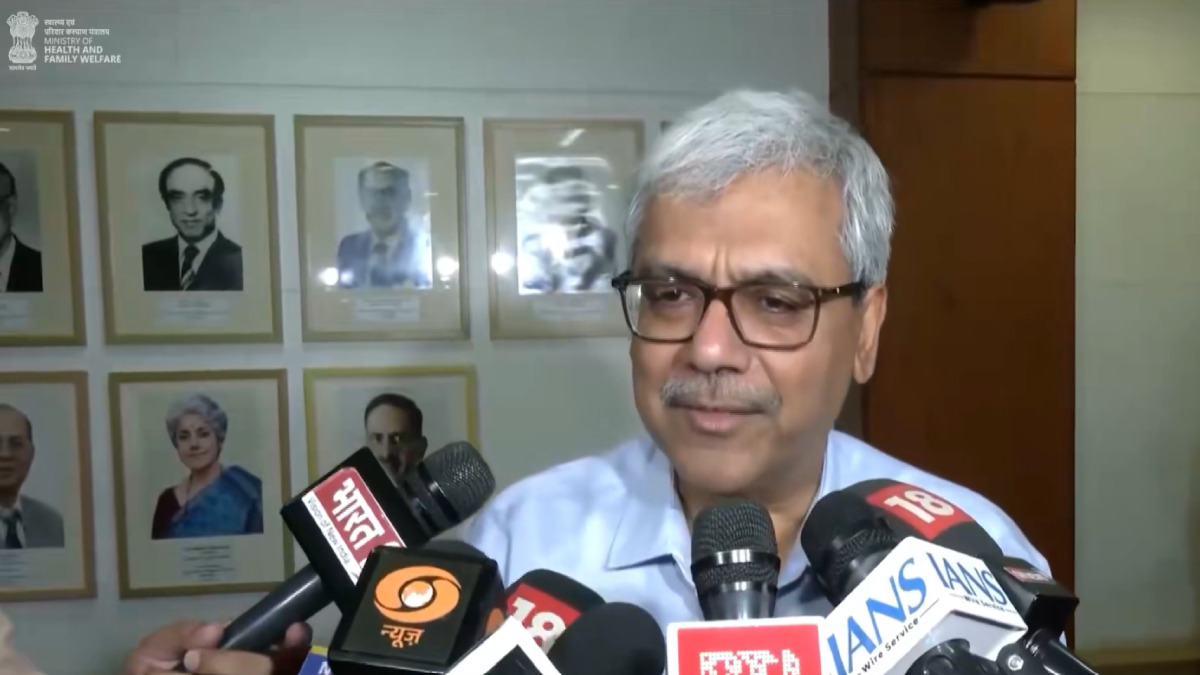
Dr Bahl said that India has strengthened its ability to monitor infectious diseases in real time after the COVID-19 pandemic and has been able to follow up on the disease surveillance system for a very long time now. Health officials are monitoring respiratory infections and trends in health care through a network of ICMR-supported hospitals and laboratories across the country, with surveillance by the National Centre for Disease Control (NCDC), Integrated Health Information Platform (IHIP), and other ICMR-supported hospitals and laboratories.
According to the latest surveillance data, H1N1 is the most common subtype of Influenza A in India, and Dr Bahl said 97% to 98% of tested cases of Influenza A are H1N1, and H3N2 was only a small percentage. Influenza B viruses are also circulating but at much lower levels. In COVID-19, however, the incidence has declined considerably in recent months.
ICMR has said that no new H1N1 strain has been detected at present in India. Scientists have said that the viruses that are circulating there are seasonal viruses that have been present since 2025 and are already covered by current influenza vaccines. The agency added that the current rise in cases is not a new public health epidemic but a seasonal influenza pattern.
Health experts say most H1N1 infections are self-limiting and resolve with adequate rest, hydration, and supportive care. Common symptoms include fever, cough, sore throat, headache, body aches, fatigue, and nasal congestion. While most patients recover within a few days to two weeks, certain populations are at higher risk of complications, including young children, elderly people, pregnant women, and people with chronic illnesses including diabetes, heart disease, asthma, or weakened immune systems.
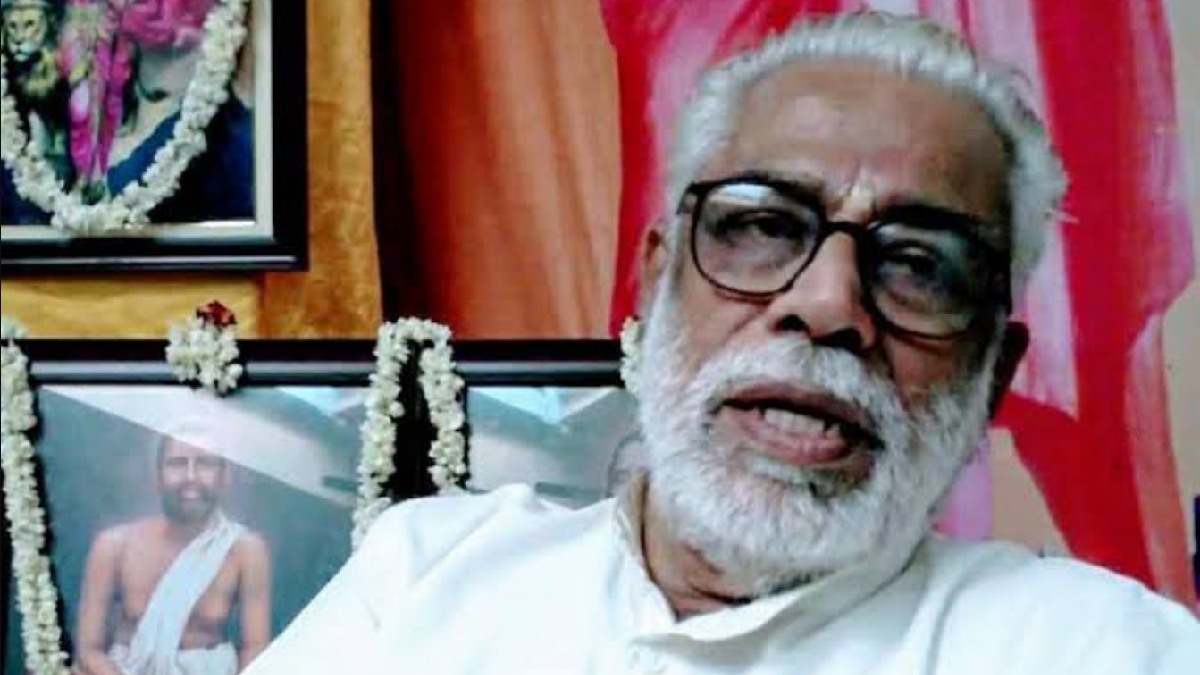
Dr Rajiv Bahl, Director General, ICMR, shares important insights on H1N1 and addresses common concerns around the infection.
— Ministry of Health (@MoHFW_INDIA) August 25, 2026
He highlights that most people with H1N1 experience only mild symptoms and the infection is mostly self-limiting.
Watch the video to understand H1N1… pic.twitter.com/TPwRfNPWmg
Dr Bahl and others have suggested that people take precautions instead of panic measures. People with flu-like symptoms should seek medical advice, avoid crowded places when sick, use hand hygiene, cover their mouth and nose while coughing or sneezing, and get enough rest. Health professionals also suggest going to a doctor for the flu vaccination, especially for those who are in high-risk groups.
The recent increase in H1N1 cases has been observed in several cities, including Delhi, Mumbai, and Bengaluru. Public health authorities said that the situation is not at any threat but, in fact, is being managed and is monitored with national surveillance networks.
Because India is entering this season of strong seasonal flu activity, health officials are still stressing vigilance and early diagnosis, and preventive measures. Their message is clear: H1N1 is the predominant flu virus at present, but it’s a seasonal virus, and with a little time to take care and preventive measures, most people will be able to recover.