The US-China competition is rapidly becoming more competitive, with Chinese President Xi Jinping and U.S. President Donald Trump, as well as AI, advanced technology, and political influence, are not only the focus at play now in the United States and China’s rivalry for leadership in AI, advanced technologies, and political influence. The latest exchange of words shows that the battle between the world’s two largest economies is not limited to trade and tariffs—it is more than just about trade; it also has to do with innovation, national security, and international diplomacy.
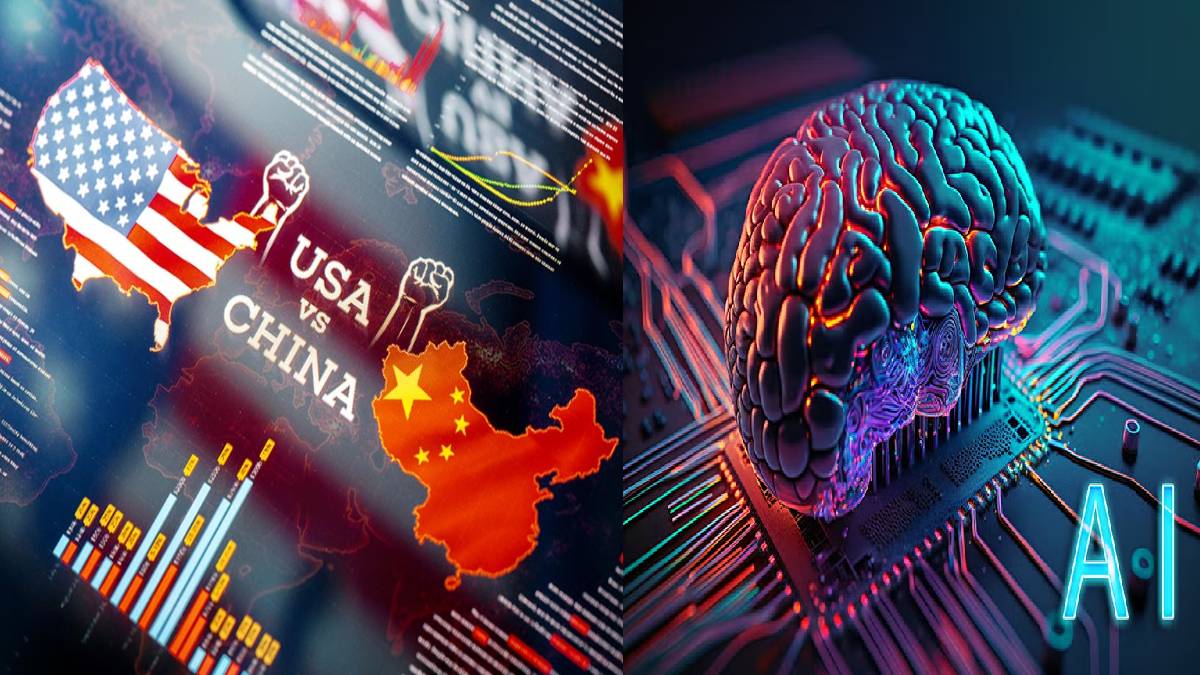
A battle of wits and words between China and the US is on display again: Here is your Evening Briefing. https://t.co/LWPnK8UQqb
— Bloomberg (@business) July 18, 2026
Artificial intelligence is one of the most defining technologies in the 21st century, with governments seeing AI leadership as vital to economic growth, military capabilities, and technological sovereignty. Both Washington and Beijing have dramatically increased their investment in AI research, semiconductor production, cloud computing, quantum technologies, and advanced data infrastructure.
Even as the country steps up technological reforms to maintain its technological edge, it is tightening its stance on exports of advanced semiconductor technology and more closely controlling investments in sensitive technologies. They say these are necessary to protect national security and American leadership in key industries.
China has also intensified its push to become more technologically self-sufficient. Beijing has invested heavily in domestic chip production, AI research, robotics, and digital infrastructure to help homegrown technology companies to reduce dependence on foreign suppliers. Chinese leaders have consistently put innovation at the core of their long-term economic development strategy.
The renewed rhetoric between Trump and Xi is part of a larger geopolitical rivalry that now extends to technology, trade, cybersecurity, defense, and international institutions. The two countries are actively working toward partnerships with allies and developing economies, and realize that influence over world technology standards and digital infrastructure will shape future economic and political power.
AI has become a primary battleground because of its potential to transform industries from healthcare and finance to manufacturing and defense. Countries that lead in AI development, by and large, will gain significant productivity, scientific research, and military modernization advantages. Governments all over the world are increasing investment in AI ecosystems, and debates about how to regulate them.
The rivalry also extends to global governance. The United States and China have different visions of digital governance, data privacy, cybersecurity, and the regulation of emerging technologies. These competing approaches are shaping debate around AI ethics, cross-border data flows and standards of responsible AI development.
But the economic ties are still there between the two countries. Regional trade remains strong in a broad range of sectors, and multinational companies still operate in both markets as well. Strategic rivalry will be going on, sure, but both countries are also interested in climate change, global health, financial security, and AI.
Financial markets are also monitoring developments in US-China relations because technology exports, tariffs, and investment restrictions, and policy decisions on technology exports, tariffs, and investment restrictions make global supply chains and investor confidence very much dependent on US-China relations, and policies of technology exports, tariffs, and investment restrictions have an impact on global supply chains and confidence in the global supply chain and investor confidence. These business sectors are especially sensitive to changes in bilateral relations, as semiconductors, cloud computing, AI software, and telecommunications industry sectors are particularly sensitive to changes in relations at all levels.
As artificial intelligence takes over the world economy, competition between the United States and China will remain one of the defining geopolitical challenges of the next decade. Both countries are investing in innovation, diplomacy, regulation, and strategic partnerships to shape the future of AI and to increase their presence on the global stage. The growing rivalry between Trump and Xi is having a huge impact on technology, international trade, and the global balance of power.