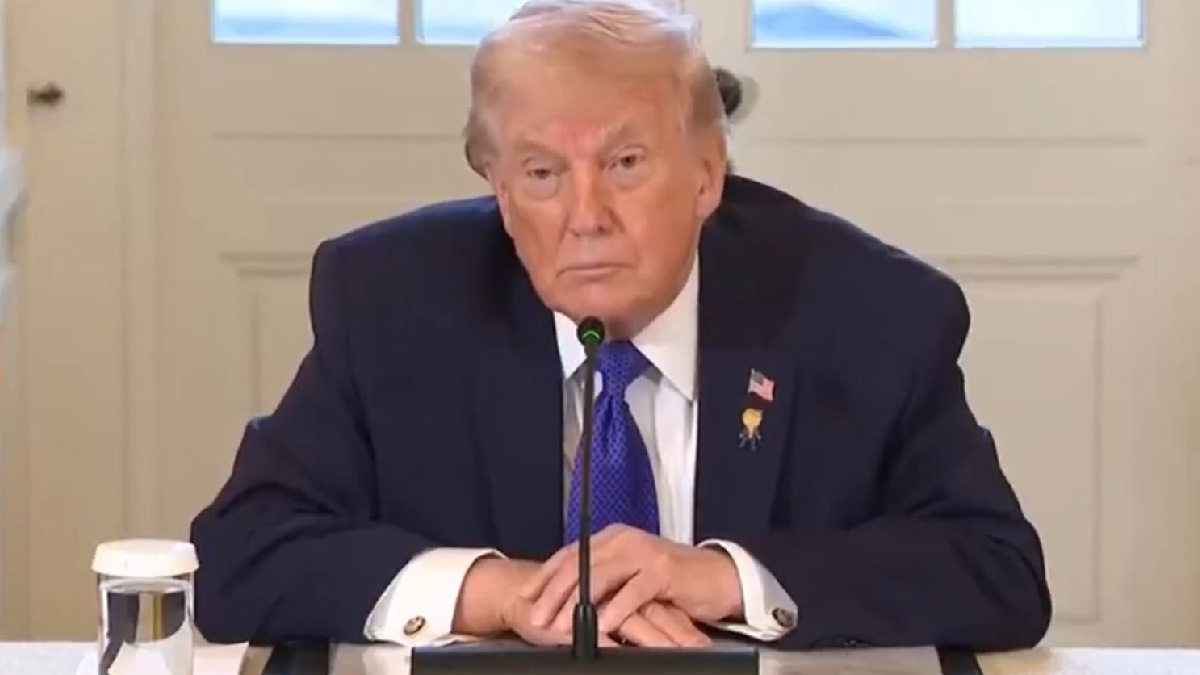
In an act that has rewritten the rules of international diplomacy, President Donald Trump made himself the “Acting President of Venezuela.” The announcement, via a series of social media posts broadcast on Sunday, January 11, 2026, comes eight days after a sensational U.S. military raid in Caracas led to the capture of long-time Venezuelan leader Nicolás Maduro.
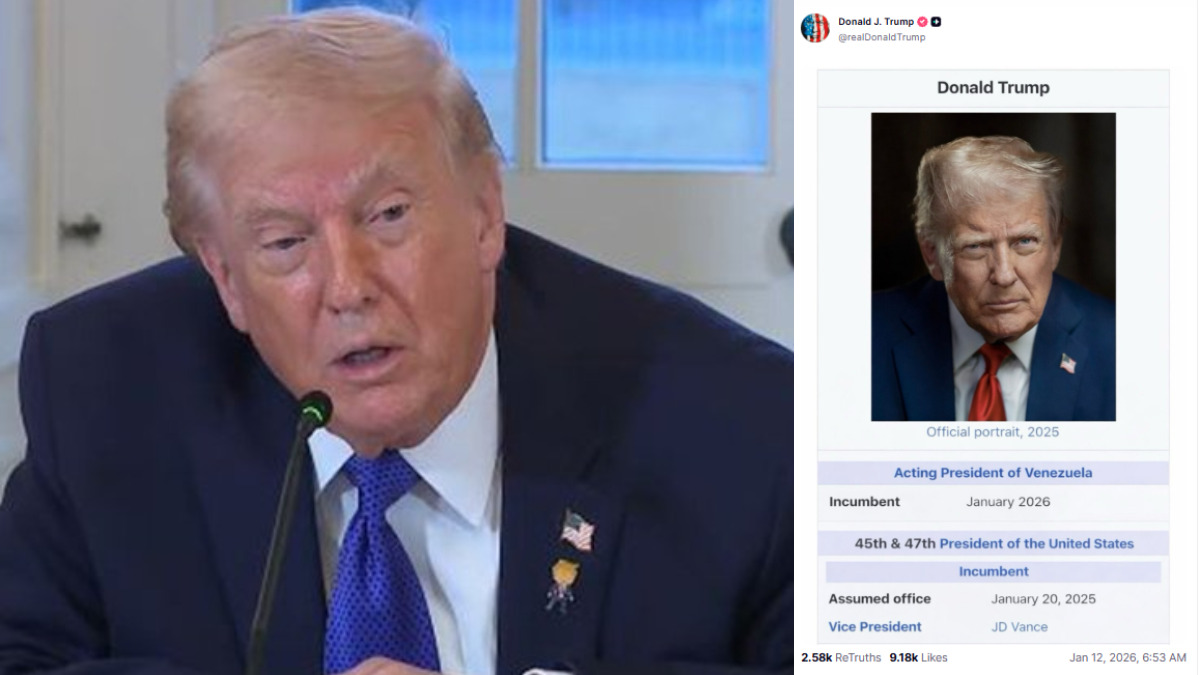
A Digital Proclamation
The President posted a digitally manipulated graphic on Truth Social with his official likeness overlaying the post, adding the statement: "Acting President of Venezuela, Incumbent January 2026." It included his two titles as the 45th and 47th President of the United States and, shortly after, the unofficial leader of the oil-rich South American country.
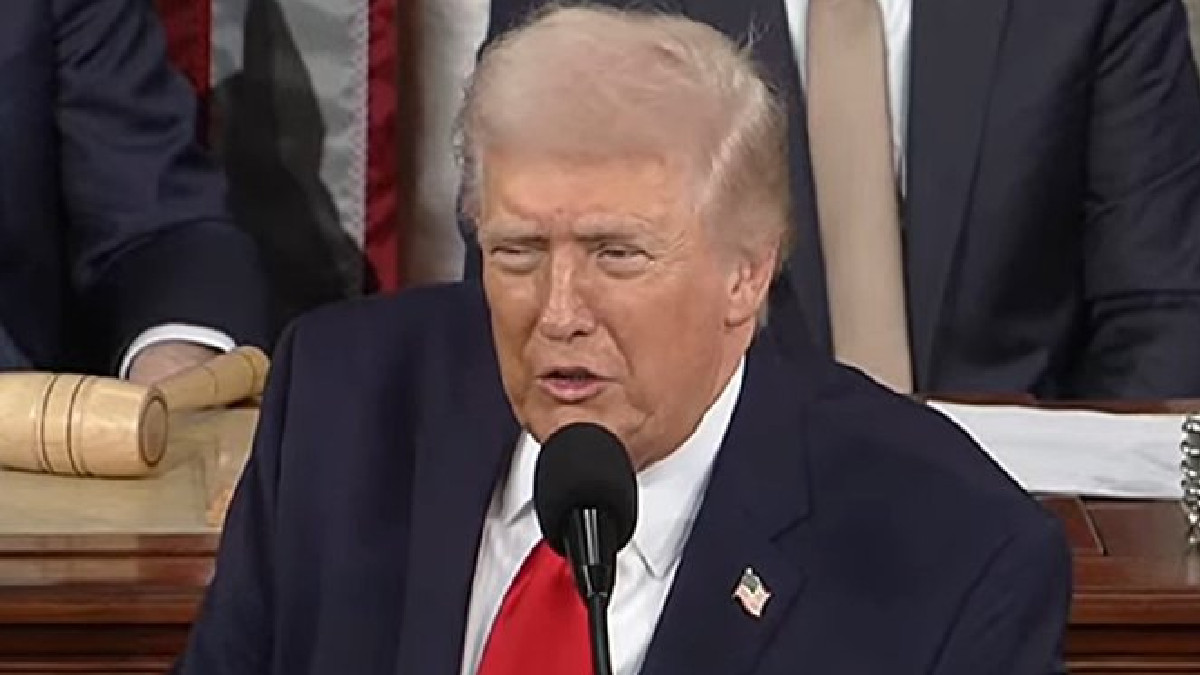
“The United States is going to run Venezuela until we can do a safe, proper, and judicious transition,” Trump said earlier this week. “We want peace, liberty, and justice for the great people of Venezuela, and we’re going to safeguard their resources.”
The Fall of Maduro: Operation Absolute Resolve
The self-declaration comes after U.S. Special Forces implemented Operation Absolute Resolve on January 3, 2026. In a coordinated nighttime strike, U.S. forces crushed Venezuelan air defenses and raided Maduro’s compound in Caracas.
- Arrest: Nicolas Maduro and his wife, Cilia Flores, were arrested and flown to New York City.
- Arraignment: On January 5, both defendants pleaded “not guilty” in a Manhattan federal court to charges of narcoterrorism, cocaine importation, and weapons offenses.
- Casualties: Venezuelan officials say dozens were killed during the raid, including Cuban military advisors, though no U.S. death toll has been reported.
Oil & The Donroe Doctrine
One of the top pillars for the Trump administration’s intervention is control over Venezuela’s enormous energy reserves. On January 9, Trump hosted two dozen oil executives at the White House, saying Venezuela "is open for business."
The administration has already:
- confiscated five sanctioned oil tankers in the Caribbean.
- announced that Venezuela would fall under U.S. supervision in protecting revenues by selling its crude.
- revived a muscular iteration of the 1823 Monroe Doctrine — internally called the “Donroe Doctrine” — that emphasized U.S. hegemony in the Western Hemisphere.
Global and Constitutional Backlash
The move has led to a firestorm of controversy. In Caracas, South America-based Vice President Delcy Rodríguez was sworn in as Interim President by the Supreme Tribunal of Justice, calling Maduro’s capture “kidnapping.” Though she has since adopted a more conciliatory tone to avoid a “second wave” of U.S. strikes, she insists Venezuela isn’t a “colony.”
The UN and Russian and Chinese officials across the world have condemned the action as a breach of international law. At home, though many are mourning the fall of a dictator as well, constitutional scholars and some members of Congress are challenging the President's legitimacy of the idea that the president has the right to a foreign state's presidential mandate to rule as the ruler of an otherwise foreign state.