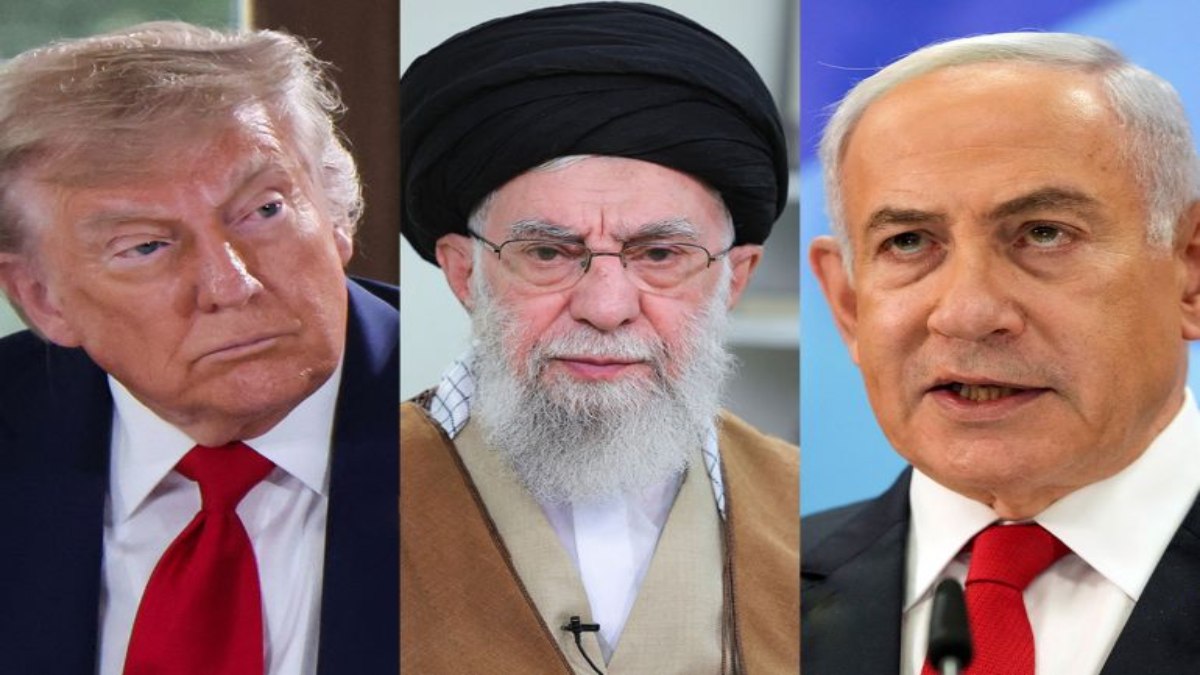
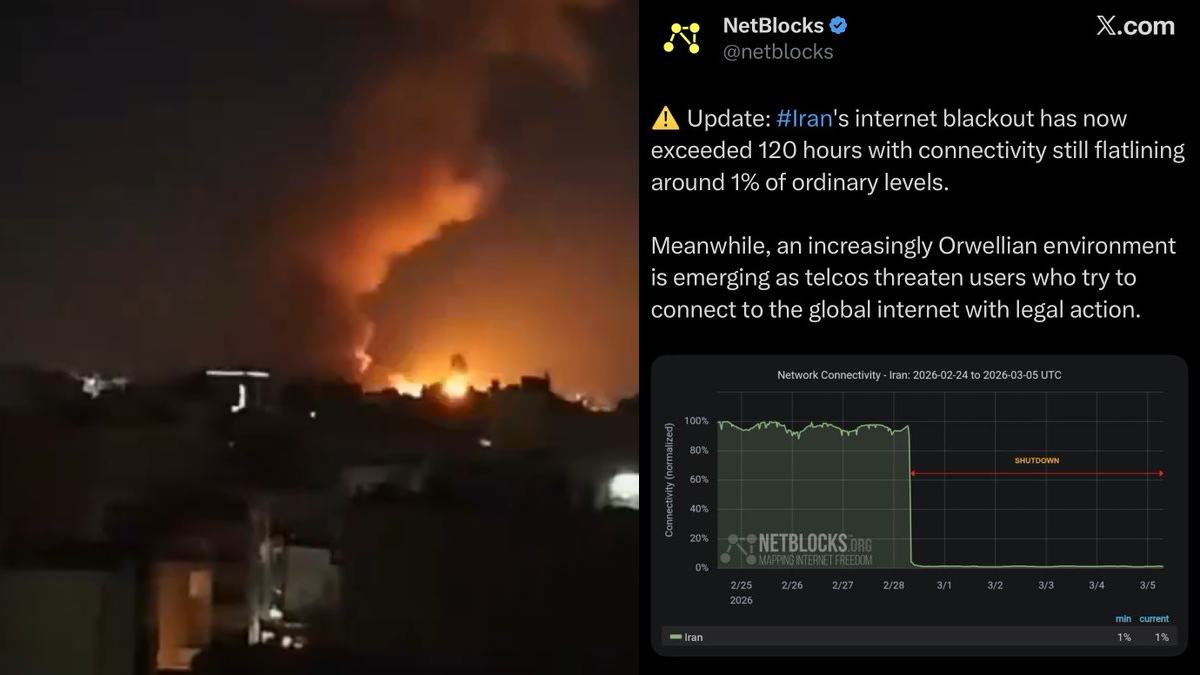
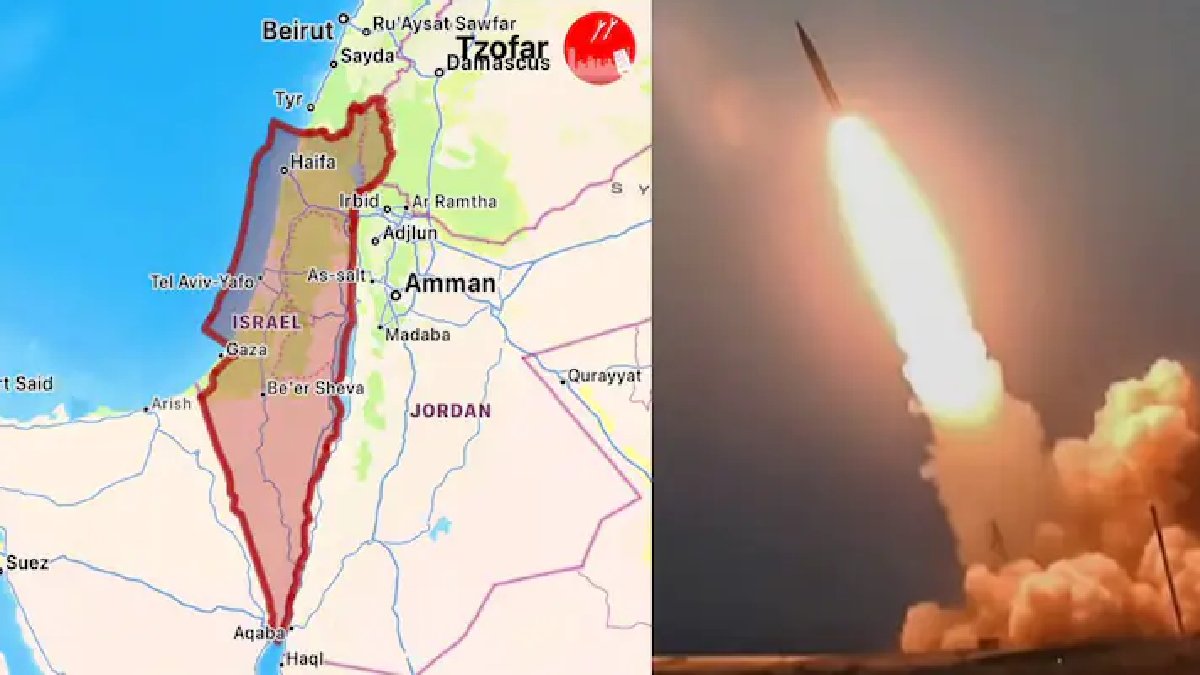
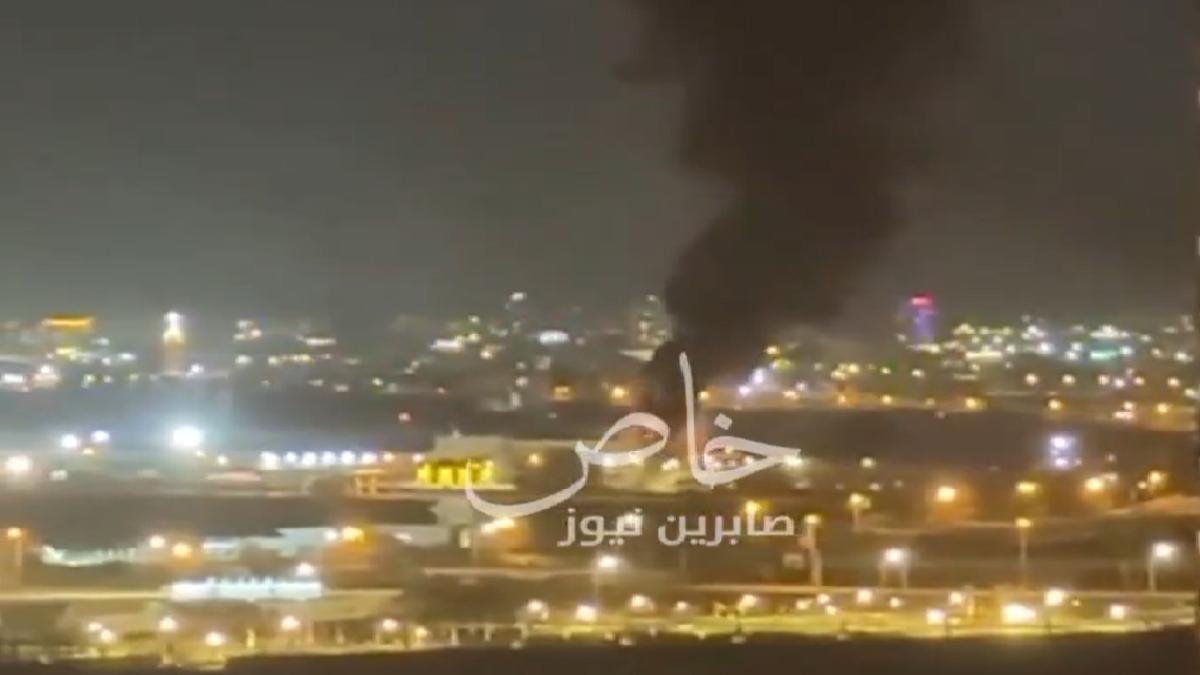
Israel and the United States mounted a series of airstrikes targeting multiple Iranian cities on 28 February 2026, including Tehran, Shiraz, Qom, Kermanshah, Isfahan, and Karaj. This signaled a big up in an ever-growing Middle Eastern crisis happening since 2023. The hits fell on strategic installations: the places near Iran’s Supreme Leader, Ayatollah Ali Khamenei, who was reportedly relocated to a safe place prior to having them attacked. Why Did Israel Attack Iran? Israel’s actions stem from long-standing tensions:
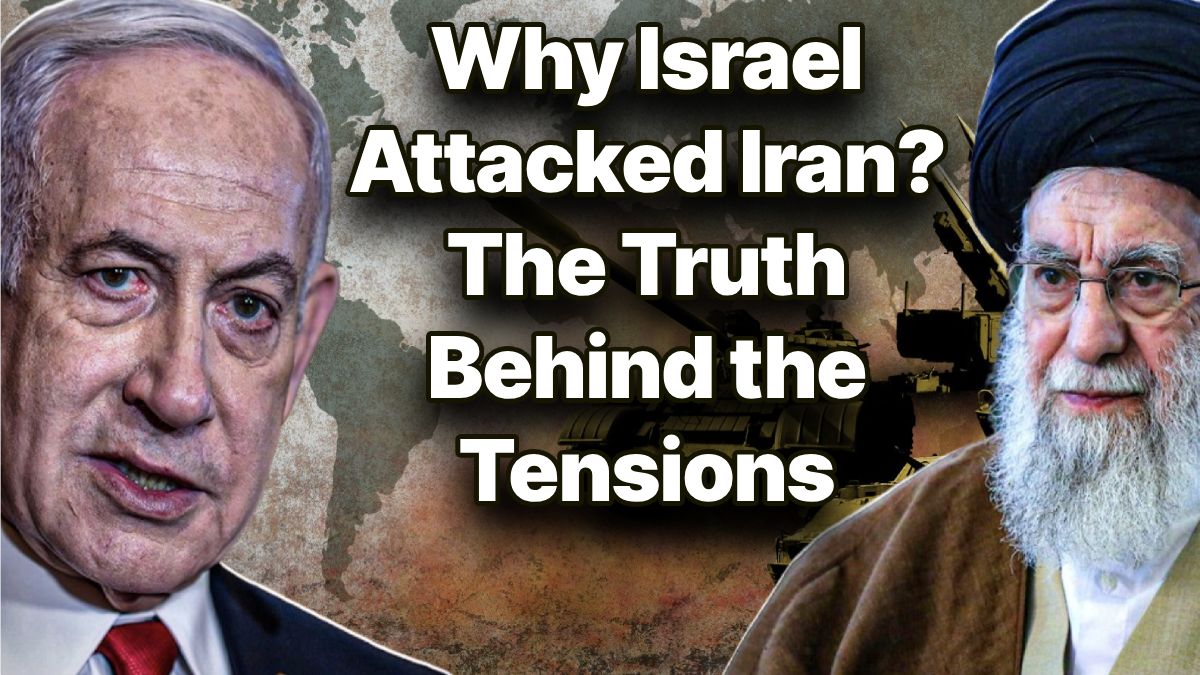
Nuclear Concerns: Israel has long opposed Iran’s nuclear program on the fear that it could be weaponized in ways that endanger regional security. Regional Influence: Iran's backing of proxy groups in the Middle East — Hezbollah and militias in Iraq and Syria among them — has been seen negatively by Israel as destabilizing. Pre-emptive Operation: Israel’s strikes are said to have been pre-emptive, in that they were intended to undermine Iran’s military infrastructure before it could emerge as an increasingly dangerous threat.
United States Involvement: The United States participated in the operation, implying a larger strategic thrust against Iran at least likely linked to regime-change ambitions or to containing Iran’s reach in West Asia. The Truths About the Conflict. Joint Operation: This wasn’t Israel acting alone it was a joint military operation with U.S. forces, called Operation Shield of Judah. Civilian Impact: Official casualty numbers are unclear, but reports indicate Iranian-aligned fighters and at least one civilian in Abu Dhabi who were killed by falling debris. The strikes effectively broke up ongoing diplomatic talks and brought the area closer to a broader war. Global Effects: How it Affects Every Country.
The consequences of this escalation go well beyond the Middle East:
1. Energy Markets. Iran is a major oil producer. Any interruption in its exports could cause global oil price spikes, hitting economies globally. Those with most reliance on energy imports of the Middle East — like China, India and European countries — will have a greater vulnerability.
2. Geopolitical Alliances. The attack deepens a divide between Western powers supporting both Israel and the U.S. and those that favor Iran such as Russia or China. This polarisation could reshape both global alliances and trade partnerships.
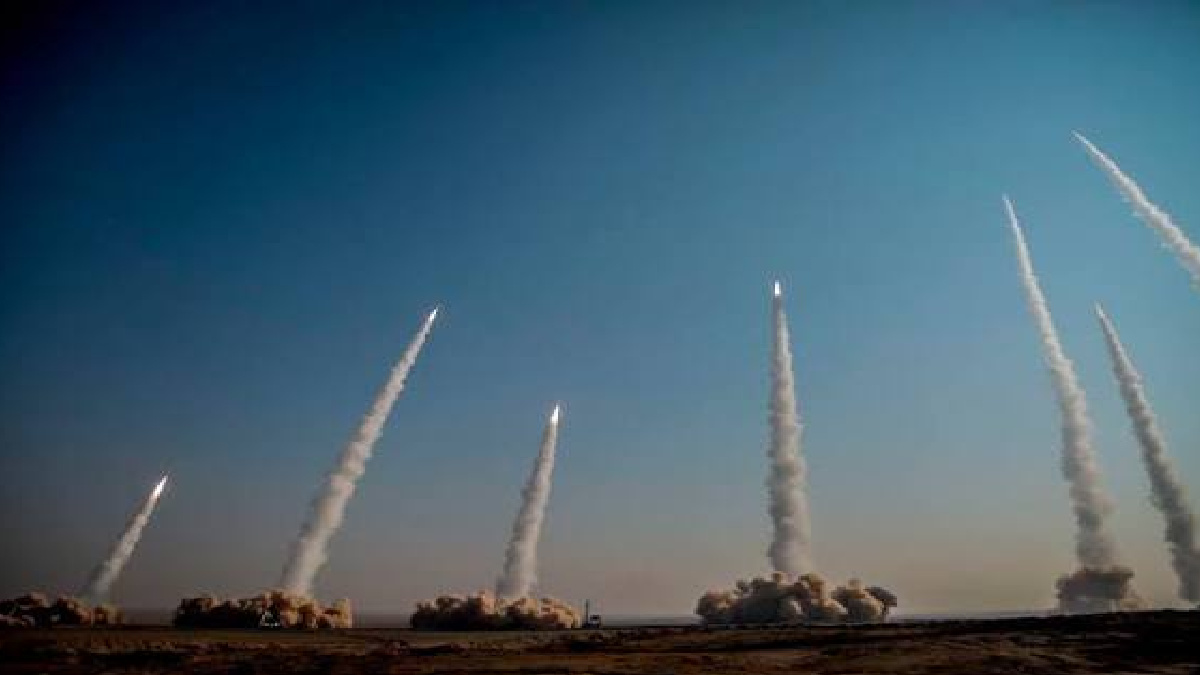
3.Security Concerns. Higher risks of terrorist retaliation or cyberattacks against countries seen to be in Israeli or American alignment. Greater military activity in the Persian Gulf, increasing the likelihood of unintentional clashes.
4. Economic Fallout. Global markets can be volatile, as investors retreat from riskier parts of the world. Fuelling the fuel prices, developing countries may face inflationary pressures.
5. Diplomatic Strain. The United Nations and other international organizations will likely be under pressure to intervene but with disparate global interests consensus would be elusive. Conclusion. Israel’s move to attack Iran, with U.S. support, marks a new phase in Middle Eastern power politics. While there are immediate aims toward limiting Iran’s military and nuclear aspirations, repercussions — from energy crises to global security threats — will ripple across continents, as you might think. Whether involved directly or not, every single country is going to have to cope with the economic and diplomatic ramifications of this growing conflict.