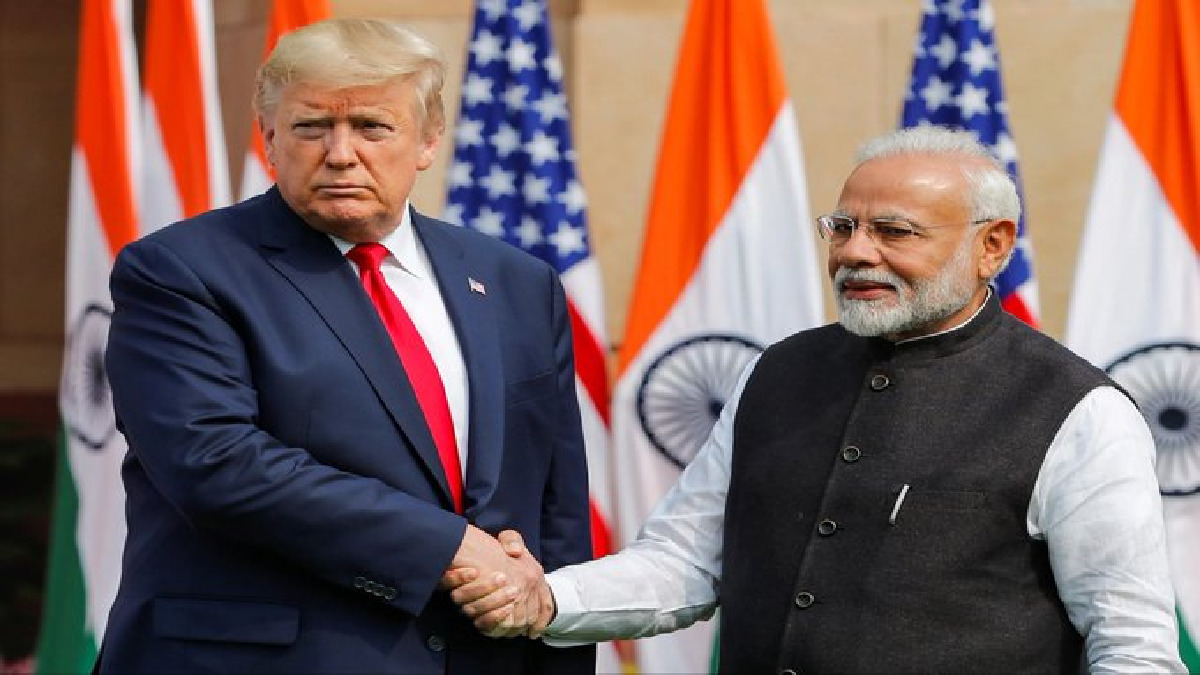
President Donald Trump unilaterally took a radical step, an act that illustrated his administration’s increasingly hawkish approach to global trade by imposing a hefty 25% tariff on South Korean automotive and pharmaceutical imports. The new tariffs, which are set to take effect immediately, directly mirror what the White House calls “stalled and unsatisfactory” progress on trade talks with those countries.
The newly announced move is a further heightening of trade friction between the United States and South Korea two of the countries’ long-time major partners most closely linked to each other economically. It will strike the section of the South Korean economy, car manufacturing especially, as Hyundai and Kia will have to shell out much higher prices to access the lucrative U.S. market.
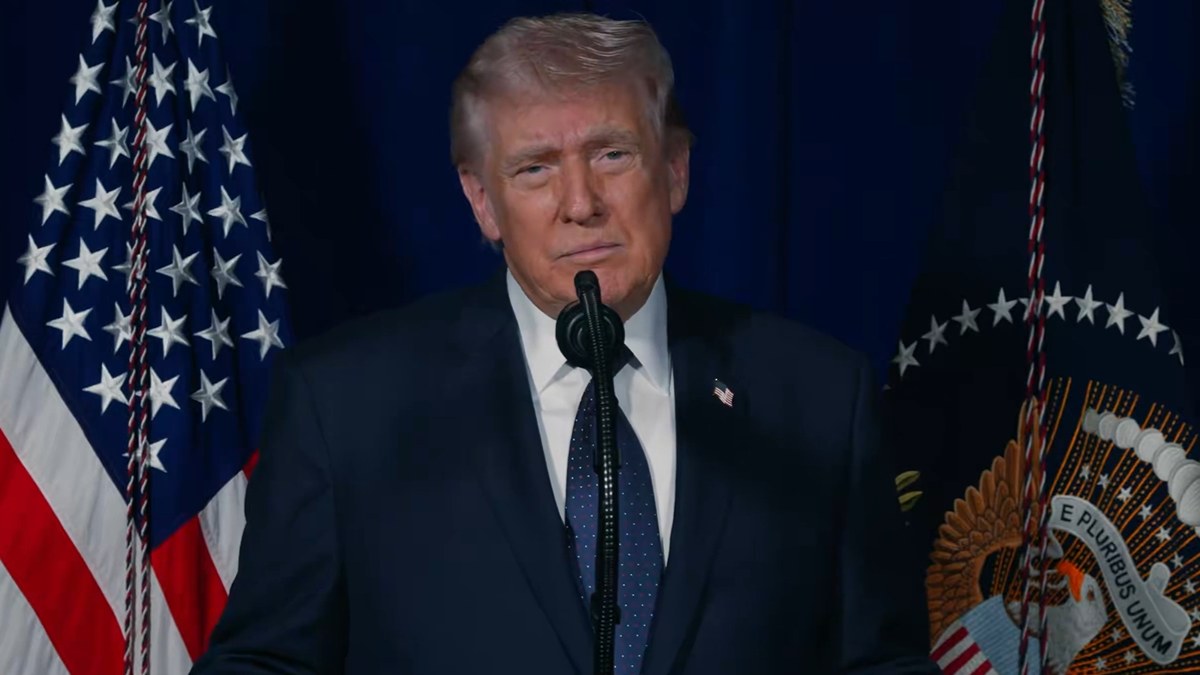
Similarly, South Korean pharmaceutical firms will lose the competitive edge and will have to contend with consumer high prices and no access to markets. At a news conference this morning, he says “we’ve done a huge deal of good faith negotiation with South Korea recently, but progress has been exceedingly slow. Industries and our workers are being unduly disadvantaged. But that stops now.
Those tariffs are truly a necessary first step: They will guarantee all have the same opportunities and protection of our critical industries.” This will ensure that the U.S. He talked endlessly about his longstanding resolve to renegotiate trade deals that he considers damaging to U.S. interests. But the South Korean government has offered little to no actual response, so a response is bound to ripple in a world market that already appears hard and unpredictable.
Opponents of the tariffs argue the resulting tariffs will lead to higher consumer costs in a way that can be considered less choice but also risk disrupting critical alliances between nation states. This new action by the Trump administration makes evident yet again that this administration is poised to return to bilateral trade imbalances as well as proactivity-oriented protectionism in the course of achieving its goals.
Given our recent tariff increase, the international community will now need to reconsider exactly the after-effects, as trade diplomacy operates as a tightrope walk between trade wars and between ourselves and with the world, at a time of relative tranquillity this time.