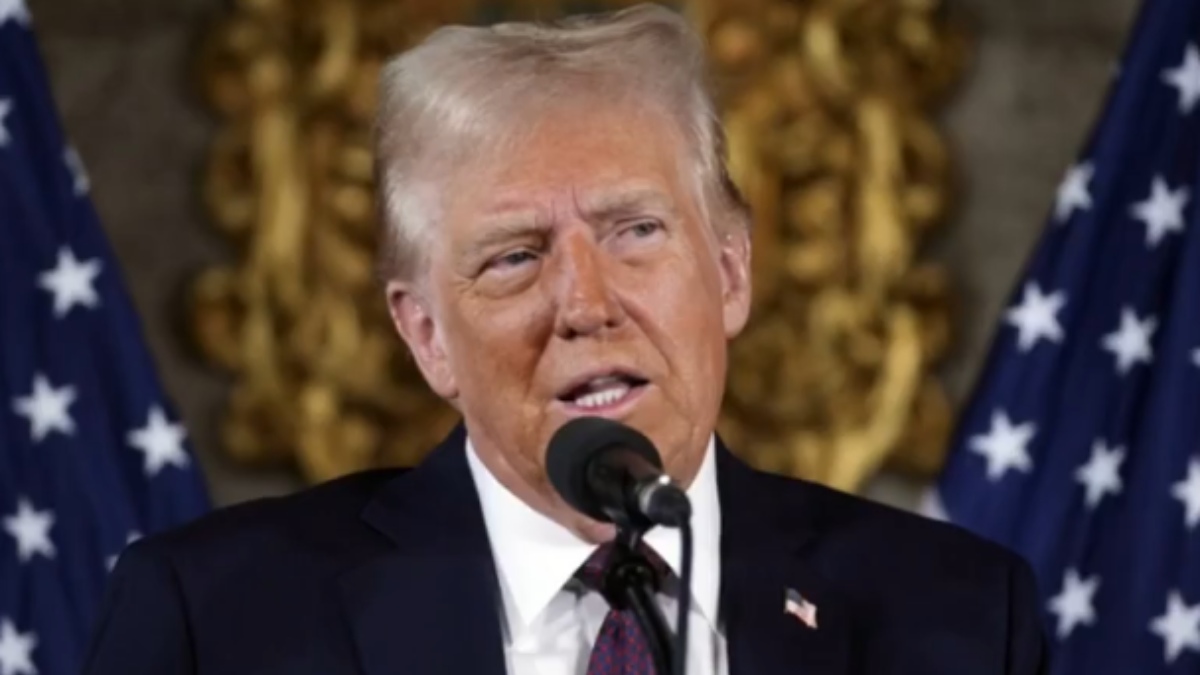
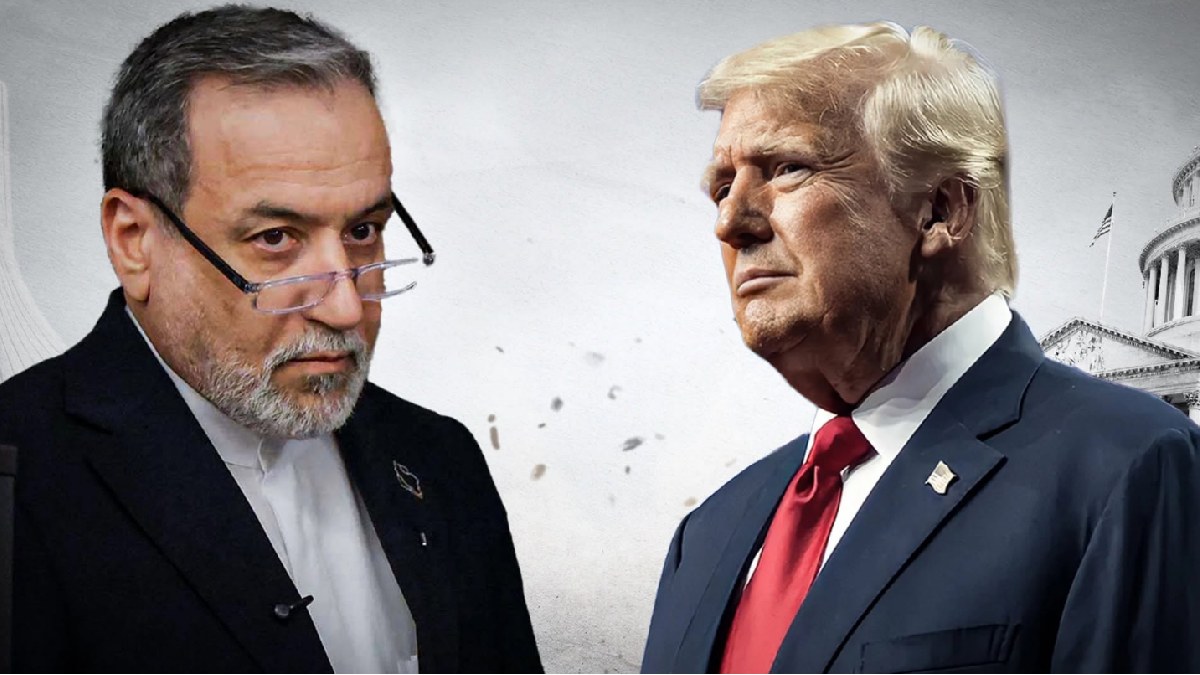
There are new questions about the United States’ new military campaign against Iran after Israeli intelligence warns Washington of an alleged Iranian assassination plot targeting U.S. President Donald Trump just days before American forces resumed strikes.
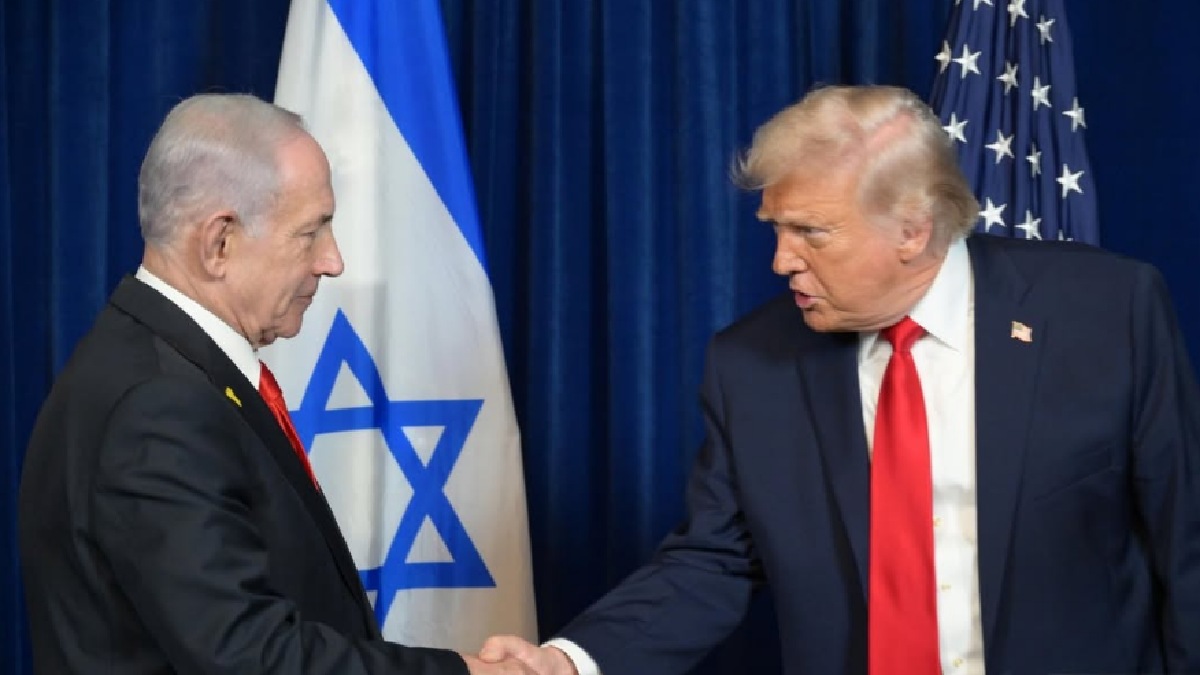
According to a Wall Street Journal report, Israeli intelligence recently warned U.S. officials that Iran was preparing a new plan to assassinate Trump. That warning came just as the White House was debating how to handle growing tension in the Gulf, the report says.
Although there is no hard evidence that the intelligence directly triggered the military action, the timing of the warning has led to speculation that it influenced Trump’s decision-making.
Israeli intelligence shared Assassination Warning
The report said the intelligence reached US officials shortly after Trump publicly announced that he had learned he was on the top of Iran’s assassination list.
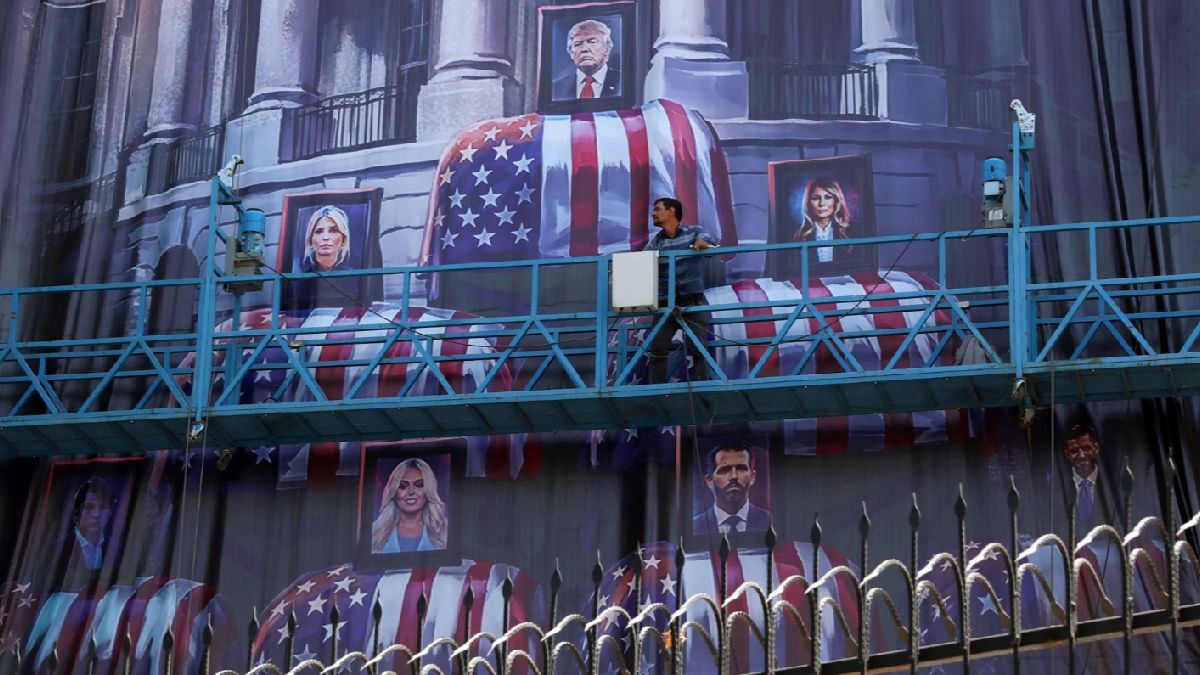
According to CNN, US intelligence agencies had already been monitoring general threats against Trump in recent weeks. But officials said the Israeli assessment was the first intelligence report identifying a specific alleged assassination plot.
The report also noted that American intelligence agencies had not independently verified the Israeli assessment and were not previously tracking the specific alleged plot before Israel shared the information.
Some officials saw intelligence as more than a security warning, the intelligence says.
In the administration, there were some questions that the assessment might also have been intended to shape Trump’s thinking as he considered expanding military operations against Tehran.
The tension then escalates after the ceasefire is broken.
The intelligence warning came when relations between Washington and Tehran deteriorated rapidly.
Trump declared the 60-day ceasefire agreement effectively over after accusing Iran of attacking commercial vessels passing through the Strait of Hormuz, one of the world’s most important energy shipping routes.
Within hours, the United States launched several strikes against Iranian infrastructure near the strategic waterway and in a dramatic escalation of strikes over the past few months.
Iran’s response was missile attacks on U.S. military bases in Kuwait and Bahrain, and the firm assurance that it would continue to control the Strait of Hormuz despite mounting international pressure.
Trump: ‘I'm on every one of their lists’
When pressed by reporters in Ankara, Trump directly referred to threats against his life.
"They want to take out the U.S. leader—me.”
He added:
"I'm on every list. I saw this morning, I'm on every single one of their lists. And so far, I guess I've been a bit lucky, but that maybe doesn't last very long."
Trump also described Iran’s leadership as “evil” and said the threat needed to be eliminated before it could grow even further.
Iran has repeatedly pledged to avenge the 2020 killing of Qassem Soleimani, the commander of the Islamic Revolutionary Guard Corps’ Quds Force, who was killed by a US drone strike ordered by Trump during his first term.
What were the possible consequences of Israel’s role in Washington’s decision?
The sequence of events has revived the debate on Israel’s role in shaping US policy toward Iran.
Former US Marine Corps officer Dan Grazier said it was “certainly possible” that Israel had played a significant role in recent military developments.
Grazier emphasized the close military coordination between Washington and Tel Aviv during the war in an interview with Al Jazeera.
“It’s certainly possible that Israel could be behind whatever military actions are going on right now.”
But he said the United States and Israel were working “hand-in-hand” with each other for most of the conflict, so close cooperation wasn’t surprising.
No direct evidence of link
However, there is no current evidence of intelligence from the assassination that influenced Trump’s decision to authorize fresh military strikes.
The US intelligence agencies have not independently verified the alleged assassination plot and officials continue to view the Israeli assessment as intelligence that needs further verification.
But the timing of the warning— just before the White House resumed military operations— has intensified scrutiny of the role intelligence sharing may have played in Washington’s latest response to Iran.