The BWSSB has said that residents in Bengaluru have adequate drinking water reserves to supply demand for the next 3 to 4 months. Recent monsoon rains have already provided a lot of water in the main reservoirs that supply the capital city with drinking water, and this has eased the fears of water shortages in the coming weeks.
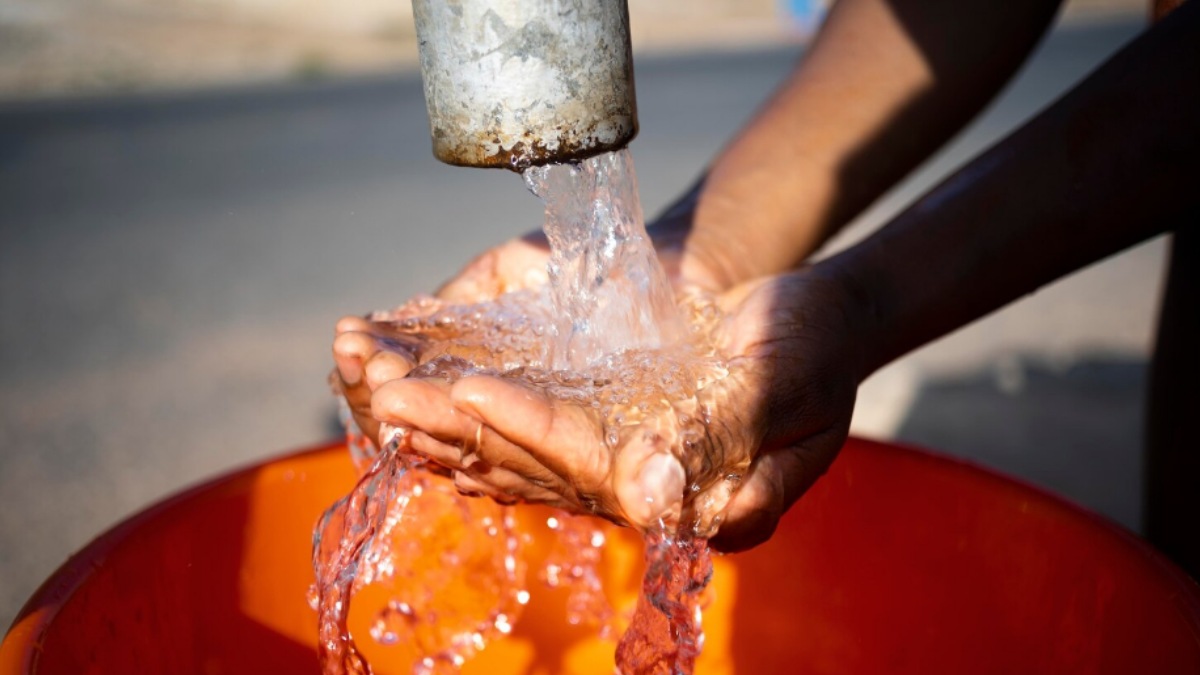
BWSSB officials said that the primary water sources of the city the Cauvery River system and reservoirs have sufficient storage to provide the city's homes, commercial establishments, and public institutions with water supply. Water levels of reservoirs are being replenished with rainfall in the Cauvery catchment areas with better rainfall levels, which is helping to strengthen the city's water security.
The reassurance is especially important for Bengaluru, a rapidly expanding city that has long been plagued with water scarcity in summer months. Stable drinking water supply is one of the city's most important governance priorities as the population, urbanization, and industrial demand expand.
The recent southwest monsoon has contributed substantially to reservoir inflows, and there are still good storage levels, officials said. BWSSB expects to keep pumping water without harsh curtailments if the weather is favorable.
The board also said water supply in different parts of Bengaluru is being monitored to yield fair and equitable supply to the people affected by it. Engineers and operational staff are closely monitoring daily usage, reservoir storage, and pipeline performance to minimize disruption and respond to any local issue as soon as possible.
Despite the optimistic picture, BWSSB advised residents to continue to use water responsibly. Conservation was noted that even when there is sufficient water available, we still need to conserve water, officials said. Water saving, leaking tap and pipeline repair, rainwater harvesting, water-saving techniques, and water-efficient practices can help to maintain the supply of water and alleviate the pressure on the city’s distribution network.
However, Bengaluru’s water challenges are long-term, and the long-term water problems are more than seasonal rainfall, as experts have often pointed out. Rapid urban development, shrinking lakes, falling groundwater levels, and increasing demand have placed immense strain on the city’s water resources.
Monsoon rains provide temporary relief, but long-term sustainability must be achieved through comprehensive water management strategies.
BWSSB has been doing a lot to strengthen Bengaluru’s water infrastructure. For instance, it is expanding the Cauvery water supply network, installing pumping stations, and replacing aging pipelines to minimize leakage, promoting rainwater harvesting, and improving the reuse of treated wastewater for industrial and non-potable applications.
The city has also become more focused on wastewater recycling; treated wastewater is used to irrigate, construct, industrialize, and rejuvenate the lake. It also helps in preserving critical drinking water for domestic use and is in line with sustainable urban development.
Water experts believe Bengaluru needs to continue to invest in diversified water sources to meet future demand. Along with the Cauvery River, the need for groundwater recharge, lake restoration, expanding rainwater harvesting systems, and wastewater reuse will help to secure long-term water resilience.
The BWSSB assurance is also in the city to prevent residents from being affected by the water scarcity in some parts of the city last year. When there was low rainfall, some areas in the city had less supply and had to rely on private water tankers more. This year, the better reservoir situation will be a relief to residents and businesses.
Monitoring weather and reservoir inflows will continue to be a priority, officials said. The board will review storage levels, rainfall, and consumption patterns and the level of daily use constantly to make timely operational decisions when conditions are needed, they stated.
Bengaluru’s population continues to grow rapidly, and there is a need for reliable civic infrastructure in the city's urban area, urban planners say. Water security is now one of the most pressing issues that the city has to contend with, along with transportation and housing, and it has become one of the greatest challenges for the city. Water security will be a major part of the future needs, and modern water management systems, smart monitoring technologies, and sustainable conservation will be key to meeting them.
All of the residents welcomed the update from BWSSB and hope the improved water supply will be able to alleviate worry over summer shortages and will enable authorities to focus on long-term infrastructure improvement.
As the southwest monsoon continues in Karnataka, healthy flows into reservoirs are essential for keeping sufficient storage throughout this time frame. BWSSB is committed to water supply and is also making it clear to the public that they are responsible for water conservation, as the water supply should not be interrupted and the system should not suffer from lack of supply, BWSSB said.
Now that there are sufficient reserves for the next three to four months, Bengaluru is in a better position than it has been in recent years. But conservation, distribution, and integrated water resource management will be the key to ensuring that the city will continue to be able to sustain water supplies.