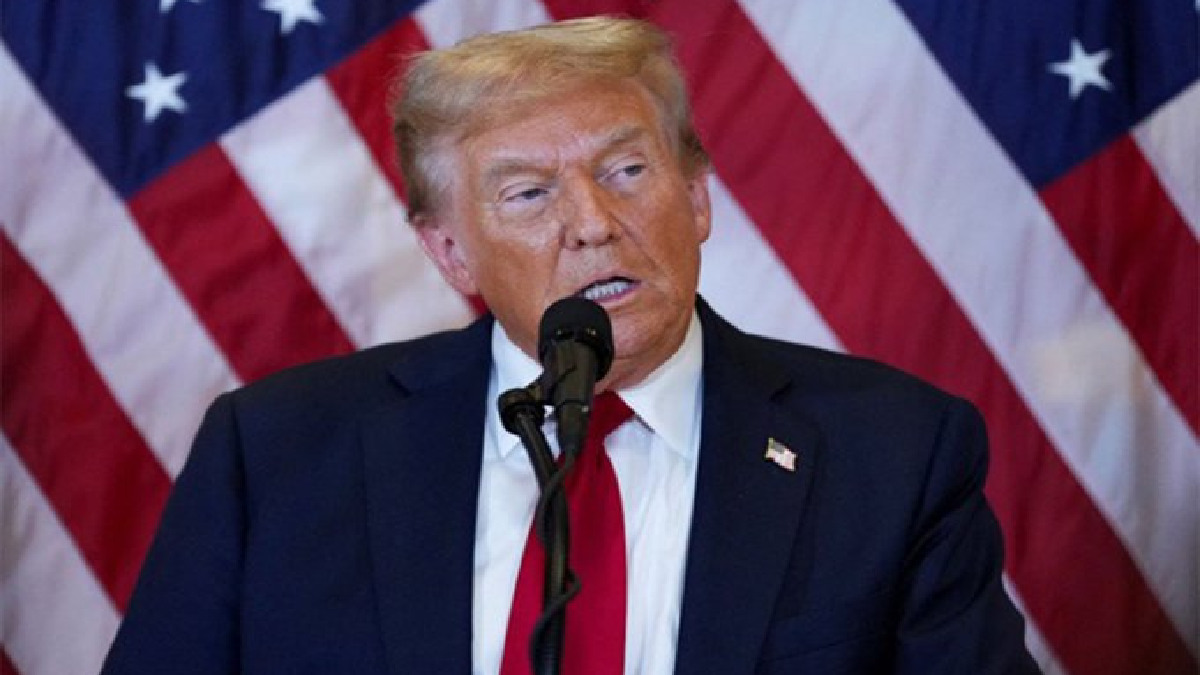
Trump’s decision to delay the imposition of proposed 50% tariffs on a number of Canadian goods for 3 days as a temporary respite in the midst of what had threatened to become a major escalation of trade tensions between the United States and Canada has given Americans a much-needed lifeline in an already-simmering trade war.
Trump said on his social media page that for three days, the tariff increase was suspended as the United States and Canada reached a preliminary agreement but that the final agreement has to be signed and approved by official documents. He hailed it as a major breakthrough and said both sides had made great strides in resolving several of the thorny trade disputes as well.
The proposed tariffs, first announced in July, were expected to affect $20 billion of Canada’s goods coming to the United States. They were applied to all types of products and were made available under Section 338 of the Tariff Act of 1930. The Trump administration said it was necessary because of what it said is discrimination against American products in the Canadian market.
Punctuation of trade relations between neighbors has been well-troubled in the past year. Washington has repeatedly warned Canadian officials over dairy, alcoholic beverages and automobile trade. Canadian officials have said higher tariffs might disrupt supply chains, hurt businesses on both sides of the border and raise costs for consumers.
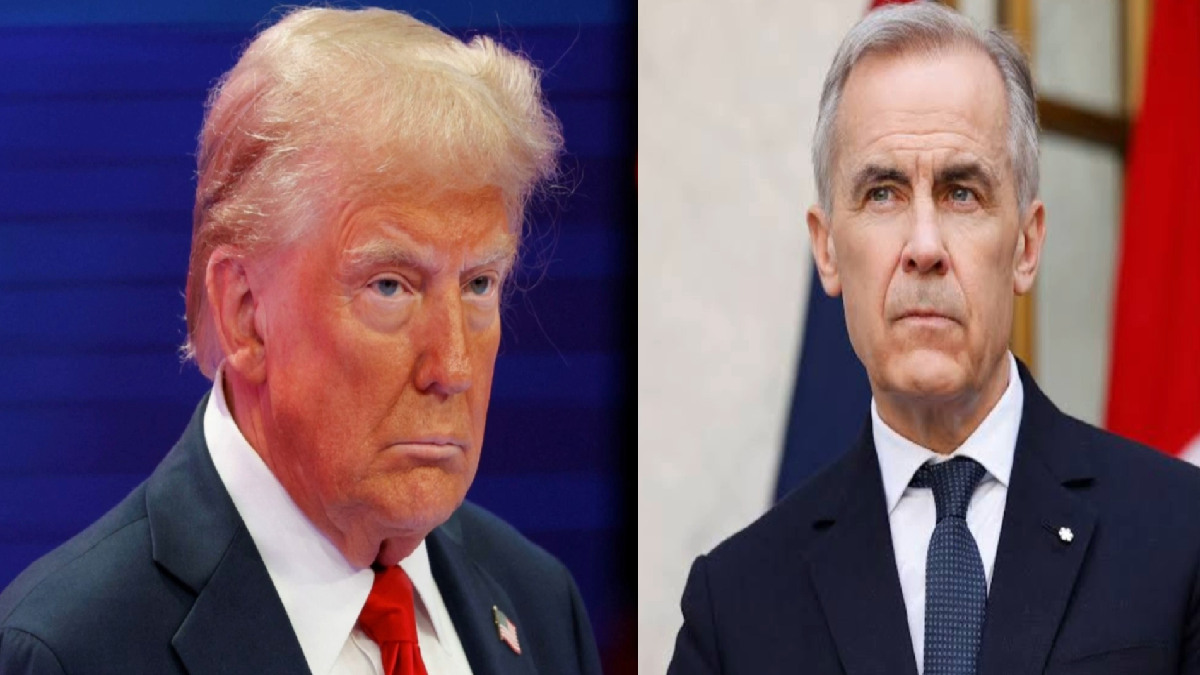
The breakthrough followed high-level talks between Trump and Canadian Prime Minister Mark Carney. Negotiators had been working hard until this week’s deadline for tariffs and the trade talks were at a fever pitch, according to newspaper reports. And although neither side has provided details of the tentative agreement, officials said car tariffs, access to the market and the treatment of North American manufacturing content all were among the main issues.

Trump also suggested that the evolving agreement may even come to include talks about energy cooperation and the Keystone XL pipeline. Although there has been no formal announcement on the pipeline, the President said the economic collaboration between the two countries would also be strengthened if talks are forthcoming.
Business groups and industry representatives in both countries welcomed the temporary pause as a means to reach a comprehensive trade agreement. There are sectors that are dependent on cross-border commerce particularly manufacturing and agriculture and consumer goods that could have been hurt by tariffs, analysts say.
Despite the progress, there is a lot of uncertainty until the final agreement is signed. Canadian officials have acknowledged progress in negotiations but also stressed that there are still some critical issues to be worked out. Markets and businesses will be closely watching the next few days as both governments continue to compile the necessary documents to make the deal official.
And for now, the temporary suspension has eased immediate fears of a fresh trade war between two of the world's closest economic partners. How long will the pause last or whether it will only delay a further bout of trouble will be clear once the final terms of the deal are made public in the coming days.