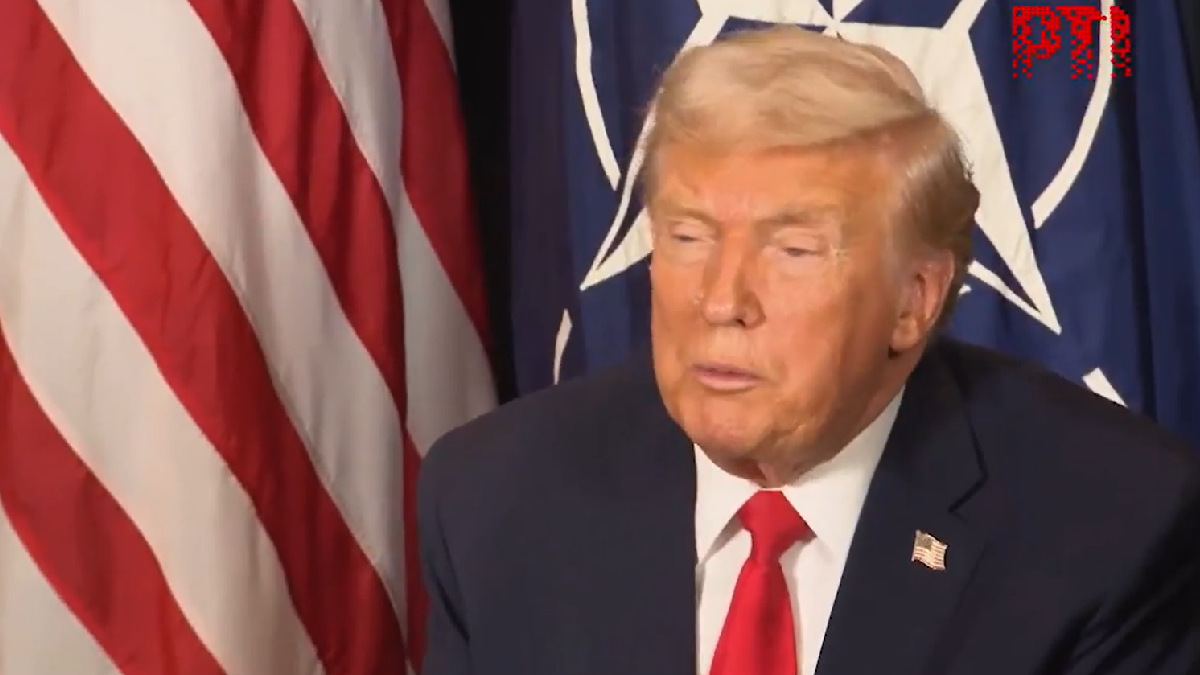
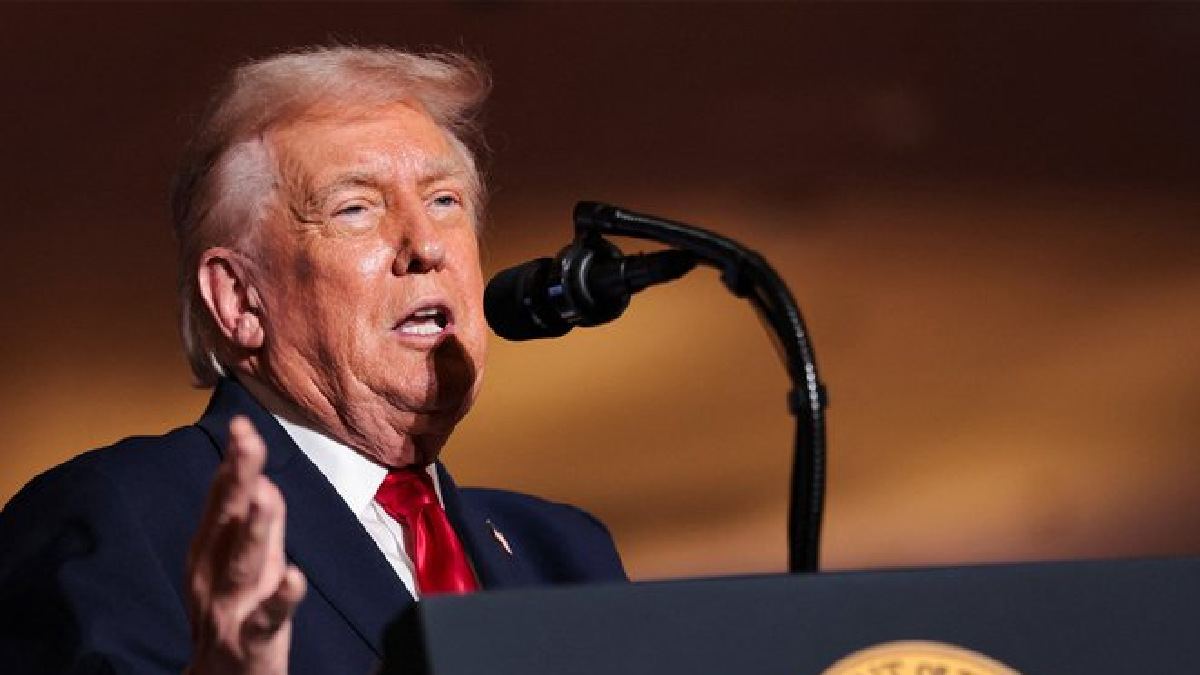
US President Donald Trump has claimed that Turkish President Recep Tayyip Erdogan had played a key role in his decision to attend the NATO summit in Turkey, renewing discussions about relations between the U.S. and Turkey as it relates to international relations.
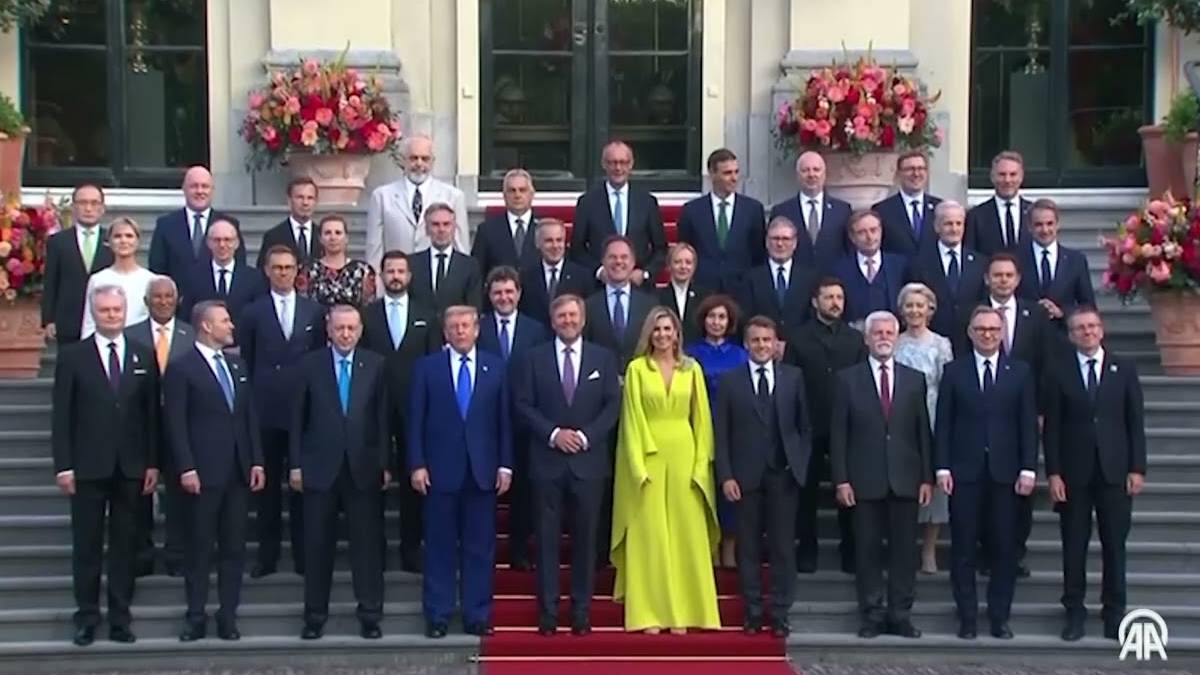
His comments have been the subject of debate between political analysts and international observers on the role of personal diplomacy in building and maintaining global alliances.
Trump told his friends ahead of the summit that Erdogan's friendship was the key factor in him participating in the NATO meeting.
Trump said Erdogan's encouragement and the strategic significance of U.S. relations with Turkey made him say it was worth going to the summit.
It is the two leaders have been in close communication through Trump’s presidency and had been since their times of disagreements over a number of regional issues.
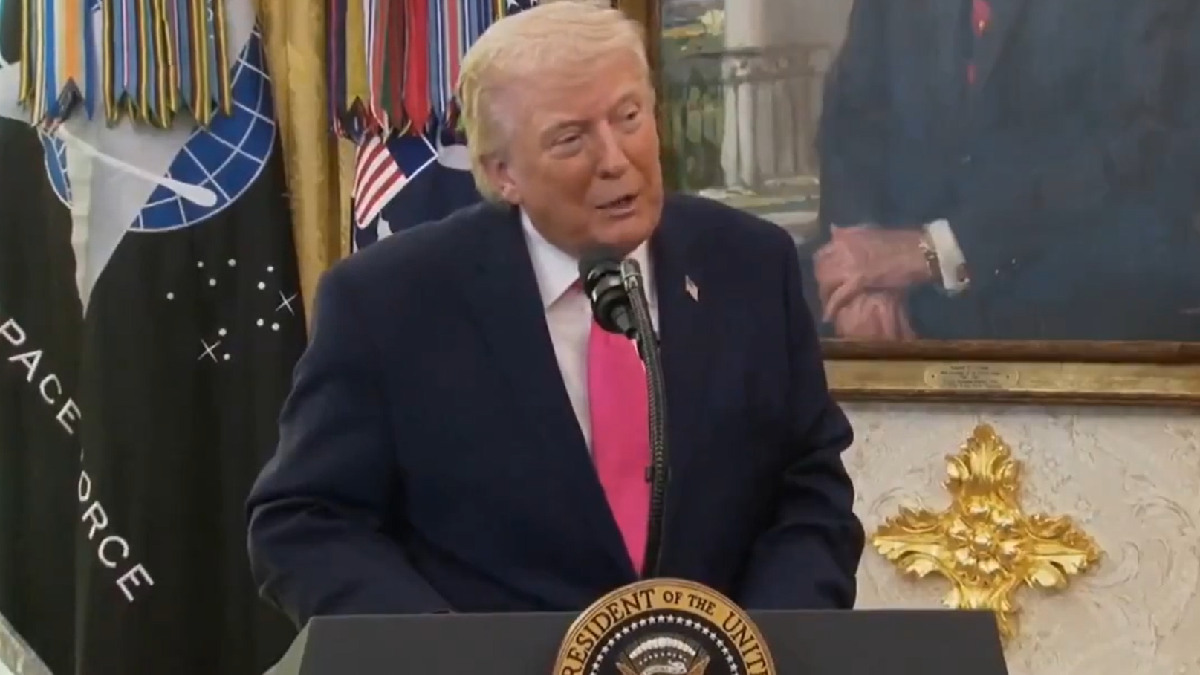
At a time when the alliance has many challenges– Europe, the Middle East, and the wider global geopolitical landscape the NATO summit is due to take place.
Members of NATO will address defense spending, military cooperation, counterterrorism, cybersecurity, and cooperation and support to regional stability.
Turkey is one of the most strategically significant NATO members because of its location in the heart of Europe, Asia, and the Middle East.
The country’s security, migration management, and counterterrorism work are of the highest importance for it.
Erdogan has repeatedly talked about Turkey’s role in NATO and has also called for NATO countries to collaborate on defense and security matters in line with Turkey.
Trump’s remarks also reflect the role that personal relationships between world leaders can play in international diplomacy.
Trump frequently stressed his direct contact with foreign leaders as a way of settling disputes and building partnerships throughout his presidency.
His relationship with Erdogan has received praise and criticism from different angles, especially around Syria, defense procurement, and regional conflicts.
Political observers say Trump’s pared-down expectations of the future of U.S.-Turkey relations and the prospects of relations between the two nations are still being discussed in political circles.
Although the two sides have had policy differences over the years, there is still some strategic cooperation on many strategic issues such as NATO and regional security.
The summit itself is to strengthen alliance unity amid evolving global security threats.
Leaders are likely to review defense commitments, technological cooperation, intelligence sharing, and strategies to address emerging geopolitical risks.
NATO remains at the heart of international tensions as it coordinates collective defense among its member states.
Trump’s decision to attend and his acknowledgment of Erdogan’s influence adds to the wider diplomatic context of the summit.
Whether the meeting results in concrete policy outcomes or renewed commitments among members will be the outcome of the talks, and governments, analysts, and global markets will be closely watching the meeting, and the relationship between key leaders will be closely watched.
The membership of influential politicians and the focus on diplomacy are at the forefront of discussions on NATO's future direction and global role as NATO adapts to changing security challenges.