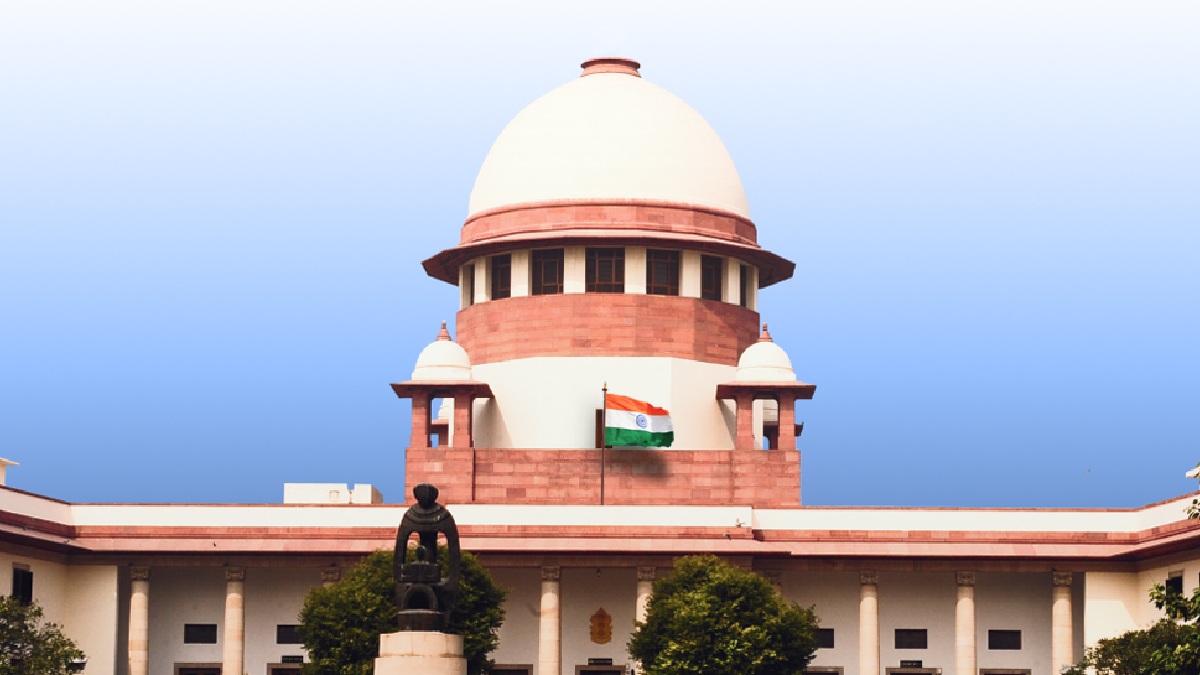
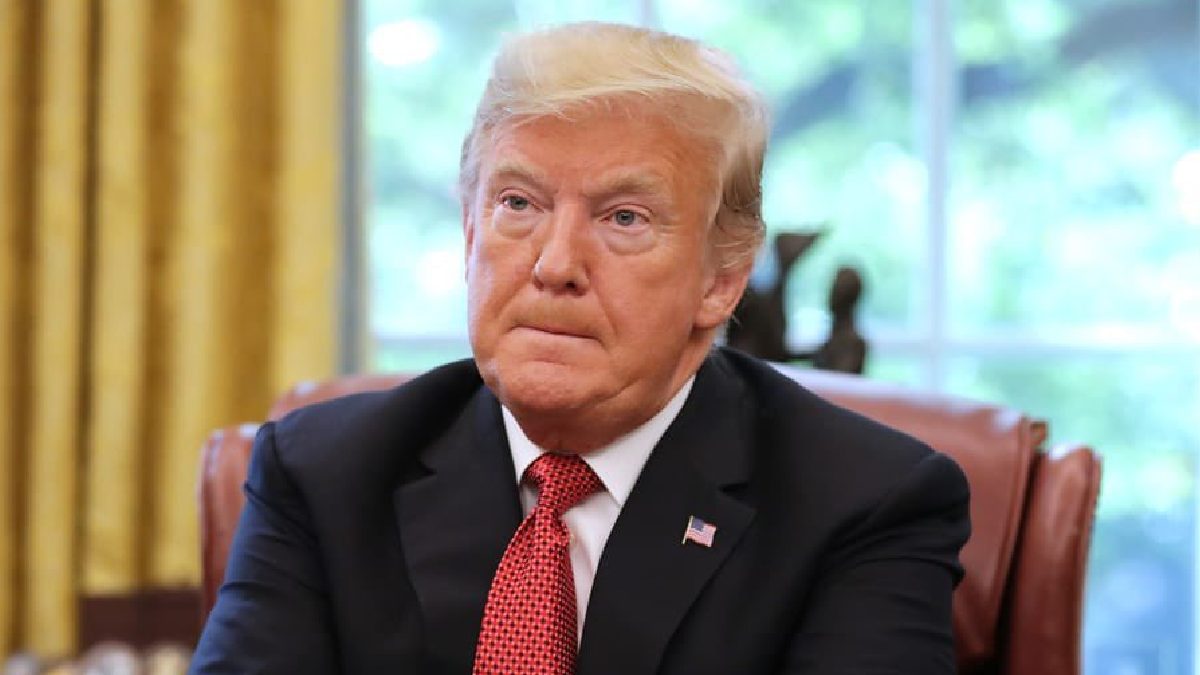
The United States Supreme Court sent a powerful rebuke to the White House on Friday, declaring that President Donald Trump had exceeded his constitutional authority in unilaterally imposing widespread global tariffs. The ruling, Learning Resources Inc. v. Trump, effectively destroys the “Liberation Day” tariff framework, announced in April 2025, which had upended global markets and strained international relations.
The Constitutional Controversy
In a 6-3 vote, which included Trump appointees Neil Gorsuch and Amy Coney Barrett with the liberal bloc and Chief Justice John Roberts, the Court found that the IEEPA of 1977 did not extend the President the authority to charge taxes or impose duties -- authority that the Constitution "very clearly" reserves for Congress. Arguing for the majority, Chief Justice Roberts was forthright:
"The Framers did not vest any part of the taxing power in the Executive Branch... The United States, after all, is not at war with every nation in the world."
The ruling stressed that the President can “regulate” commerce during an emergency, but it does not reach “the transformative expansion” of capricious, permanent tariffs without Congressional consent.
Economic Dislocations and the Refund Mess!
The ruling has instant financial consequences and also significant economic significance. That’s resulted in, since 2025, a roughly $134 billion-$160 billion revenue collected by the Treasury from these tariffs.
The Refund Question
The Court struck down the tariffs, but it found no roadmap of what the government might do to retrieve the billions collected.
- The Dissent: Justice Brett Kavanaugh, along with Justices Thomas and Alito, cautioned in his dissent that the refund process will probably be a “mess” that could destabilize the Treasury.
- Market reaction: Wall Street rallied in response, and investors bet that the axing of the “tariff tax” would alleviate inflationary pressures on American consumers.
What Stays and What Goes?
Keep in mind that this decision relates specifically to the tariffs as determined by the emergency IEEPA statute.
- Invalidated: The 25% “reciprocal” tariffs on global partners and punitive levies in connection with the fentanyl crisis.
- Remaining: Sector-specific tariffs on steel, aluminum and automobiles (under Section 232 of the Trade Expansion Act) are preserved for now, as they rely on different legal justifications.
The President’s Response
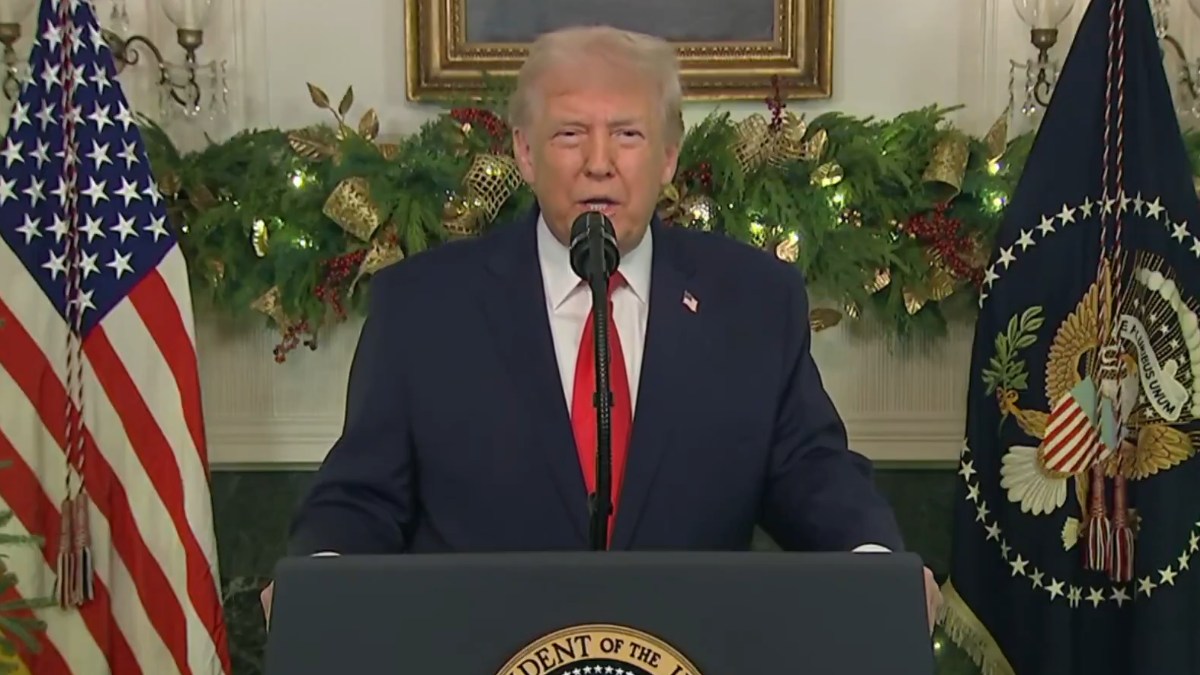
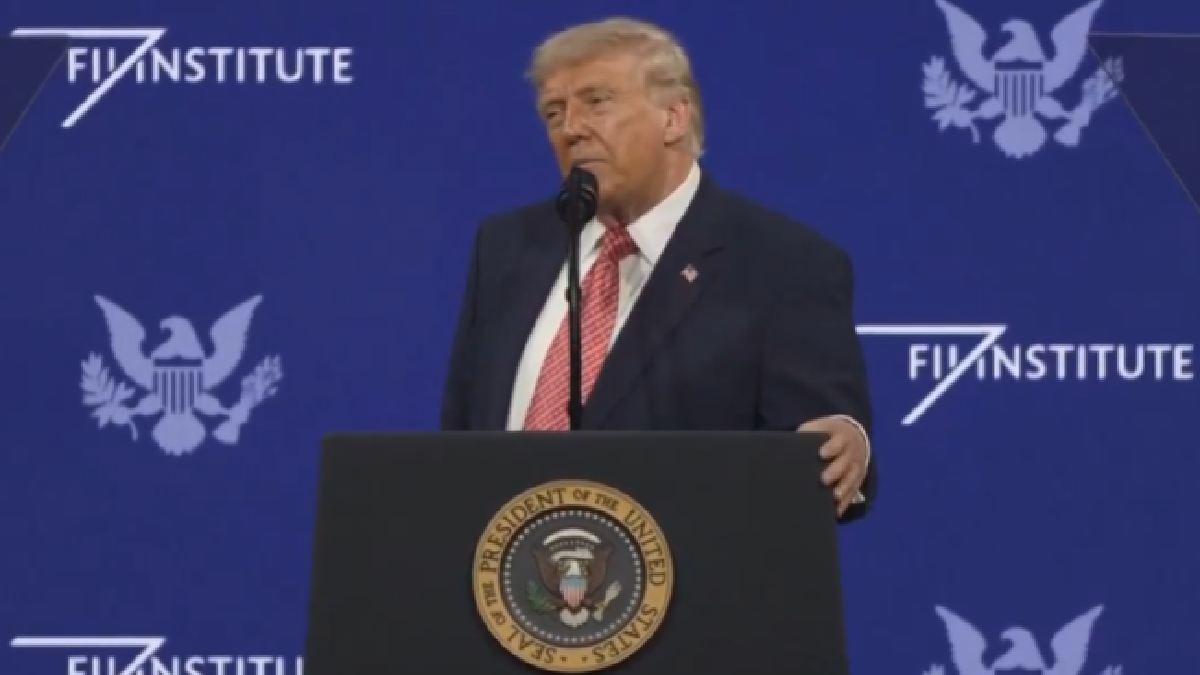
President Trump allegedly called the decision a “disgrace” in a meeting with governors shortly after news broke. The administration is expected to pivot quickly soon and have explored other legal “boxes,” with the State of the Union address scheduled for next Tuesday, to keep trade barriers up.