Trump Slams Supreme Court Birthright Citizenship Ruling, Urges Congress to End It Through Legislation
By
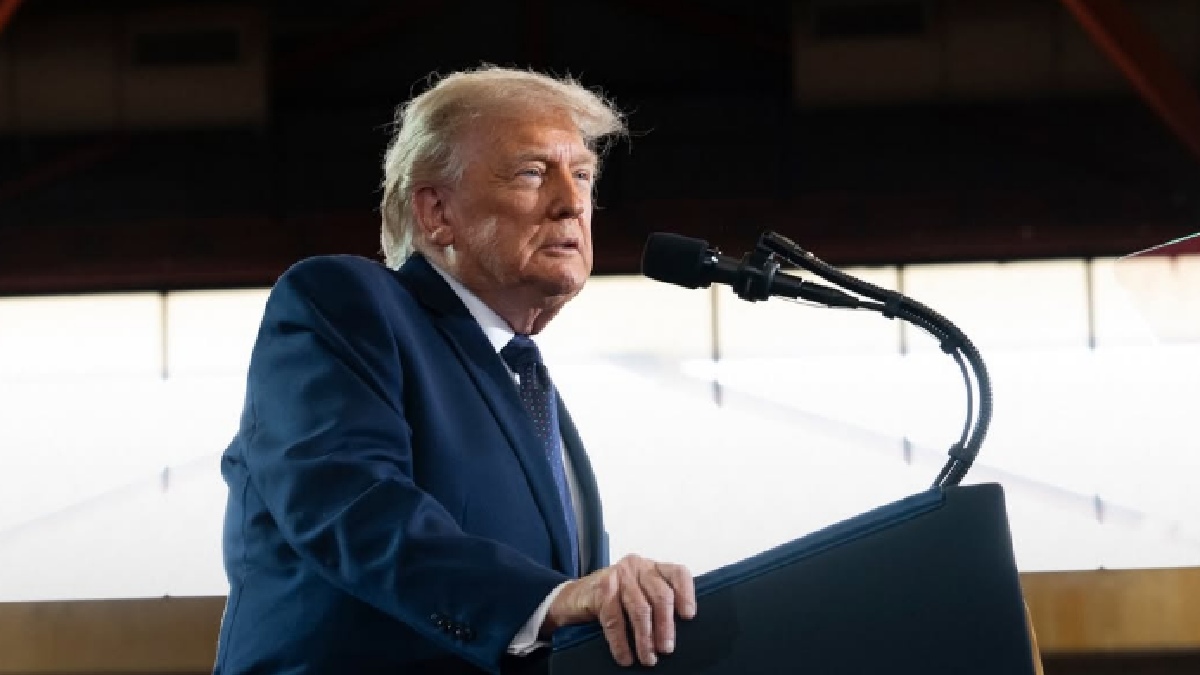
Donald Trump has harshly criticized the Supreme Court’s decision to uphold the constitutional principle of birthright citizenship as “too bad” for America and has pushed Congress to act to end the long-standing policy, calling on Congress to enact legislation to end it.
In a post on X on Tuesday, Trump said lawmakers should start work immediately on legislation that would restrict automatic citizenship for children born in the United States to parents who are in the country illegally or on temporary visas.
"The Supreme Court upheld Birthright Citizenship, which is too bad for our Country, but we can easily make it up in Congress through legislation... Congress should start TODAY to work on ending expensive and unfair to our Country, Birthright Citizenship. They will have my Complete and Total Support!" Trump wrote.
Trump’s remarks came shortly after the Supreme Court struck down an executive order he had signed on the first day of his second term. That order sought to deny automatic US citizenship to children born in the country to parents who were in the US illegally or residing on temporary visas.
As the Court held in a 6-3 decision, the Fourteenth Amendment’s Citizenship Clause guarantees citizenship to almost everyone born on American soil, with only limited constitutional exceptions.
In his opinion, Chief Justice John Roberts said children born in the United States to parents who are unlawfully or temporarily present are still “subject to the jurisdiction” of the United States and hence can be American citizens at birth.
Roberts also emphasized the historical importance of the Fourteenth Amendment, saying citizenship is the “right to have rights” and that the Constitution extends that protection to every person born in the country.
This ruling effectively blocks Trump's executive order and reinforces more than 150 years of constitutional precedent on birthright citizenship.
The Supreme Court upheld Birthright Citizenship, which is too bad for our Country, but we can easily make it up in Congress through Legislation, with the support of the President, that has now been determined during this process. No long and unwieldy Constitutional Amendment is… pic.twitter.com/mjDCVj0Jbp
Trump Slams Supreme Court | Photo Credit: www.instagram.com/realdonaldtrump
— Commentary Donald J. Trump Truth Social Posts On X (@TrumpTruthOnX) June 30, 2026
Trump Pushes Legislative Route
Even when the Supreme Court rejected his executive order, Trump claimed Congress had the ability to make legislative changes instead of trying to amend the Constitution.
But constitutional scholars have long argued that because birthright citizenship is explicitly protected under the Fourteenth Amendment, any attempt to significantly change that right would probably require a constitutional amendment or face further judicial scrutiny.
Justice Department Vows Action Against Birth Tourism
The U.S. Department of Justice said it would continue to respond to illegal birth tourism schemes after the judgment.
As such, the Department of Homeland Security said it will continue working with federal prosecutors to respond to people that take advantage of US immigration laws.
"Actors who exploit loopholes to obtain automatic citizenship for their children pose a national security threat and will be brought to justice," the department said.
Relief for Indian Families
The Supreme Court's decision came as a relief to the Indian-American community, particularly professionals working in the United States on H-1B, L-1 and F-1 visas.
Hundreds of thousands of Indian professionals temporarily residing in the US will continue to benefit from the long-standing interpretation of the Fourteenth Amendment, ensuring that children born in the country remain eligible for US citizenship at birth.
The ruling is especially important to the more than one million Indians waiting in the employment-based green card backlog, many of whom closely follow changes in US immigration and citizenship policies.
Trump’s administration is still working on broader immigration reforms, but the Supreme Court’s decision is a major legal setback to one of the nation’s biggest immigration initiatives and reaffirms the constitutional protections that birthright citizenship enjoys.