Tensions in the Middle East have been mounting after Israel conducted a strike on Iran’s South Pars gas field, one of the largest natural gas reserves in the world. The surge in energy prices brought fears of shortages and price spikes on a global scale right away. American President Donald Trump has vowed no more attacks at Iran’s energy facilities. His comment was issued only a day after the Israeli attack, which had already rocked energy markets and provoked retaliation from Tehran.
On March 18, 2026, Israel attacked Iran’s South Pars gas field. That site is vital to the Iranian economy and access to global energy. The strike was considered a warning to Tehran after Iran was threatening to block the Strait of Hormuz, a key shipment artery for oil and gas. This attack sent oil prices soaring over $109 a barrel and sparked concern about inflation and energy shortages worldwide.
This was seen as an escalation of American hostility and a blow to the Iranian government's international relations as it tried to suppress Iran's rising power. Trump was notified of the Israeli strike beforehand and welcomed it, at least one time, as a warning to Iran, the reports said. But he says there should be no more strikes against Iranian energy infrastructure. His logic is simple: Any more attacks could deepen the conflict and destabilize global energy markets further. By making this line, Trump is signaling that while the U.S. supports Israel’s security, it does not want to see a prolonged energy war.
Iran acted swiftly, launching missile strikes on another vital energy center Qatar’s Ras Laffan LNG terminal. The decision also underscored just how fragile the situation has become, as either side struck at energy facilities not just key to its own economies but more broadly for the world’s supply chains.
The conflict has already hurt energy prices and fueled fears of inflation. Economists also say if attacks continue, “the world could be very badly affected,” with oil and gas supplies at risk of major supply disruptions. Trump said he is putting an end to yet more strikes to calm markets and avoid a broader crisis.
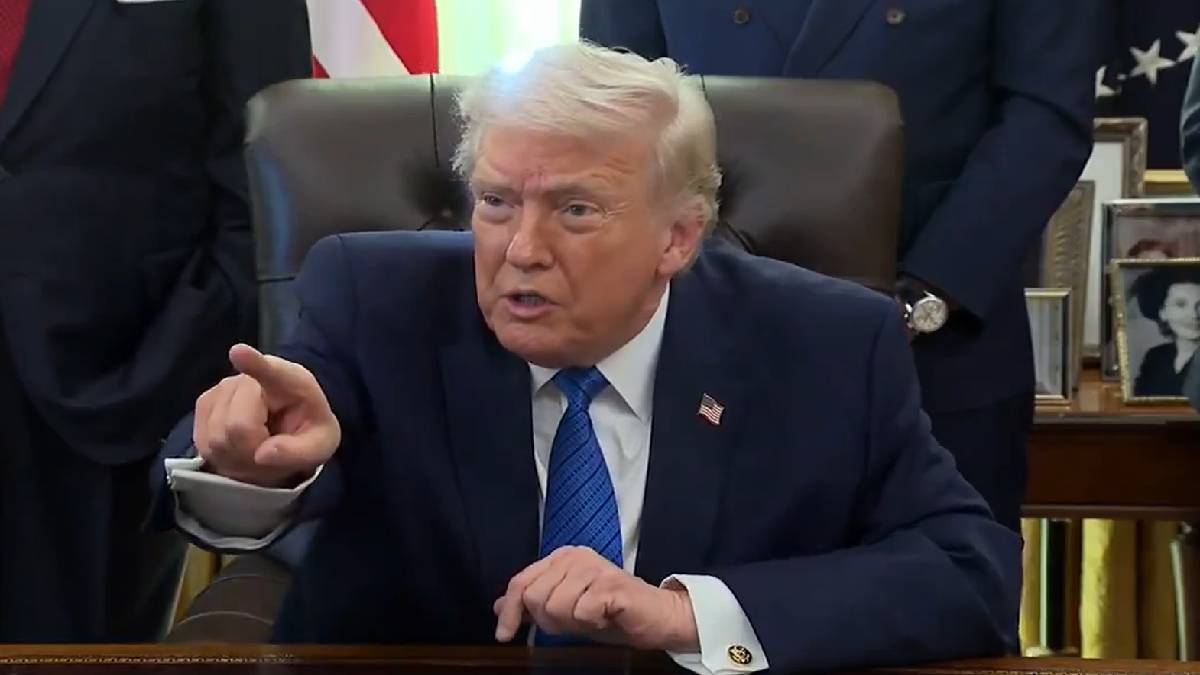
Trump’s line that there will no longer be strikes on Iranian energy sites is a turning point in the war. He justified Israel’s attack on South Pars as a warning, but is now looking to prevent escalation. But amid soaring energy prices and fears of inflation, the choice is rooted in a balancing act of strength and global stability. The world will closely observe to see whether this stance can bring down tensions or whether the conflict endangers energy security.